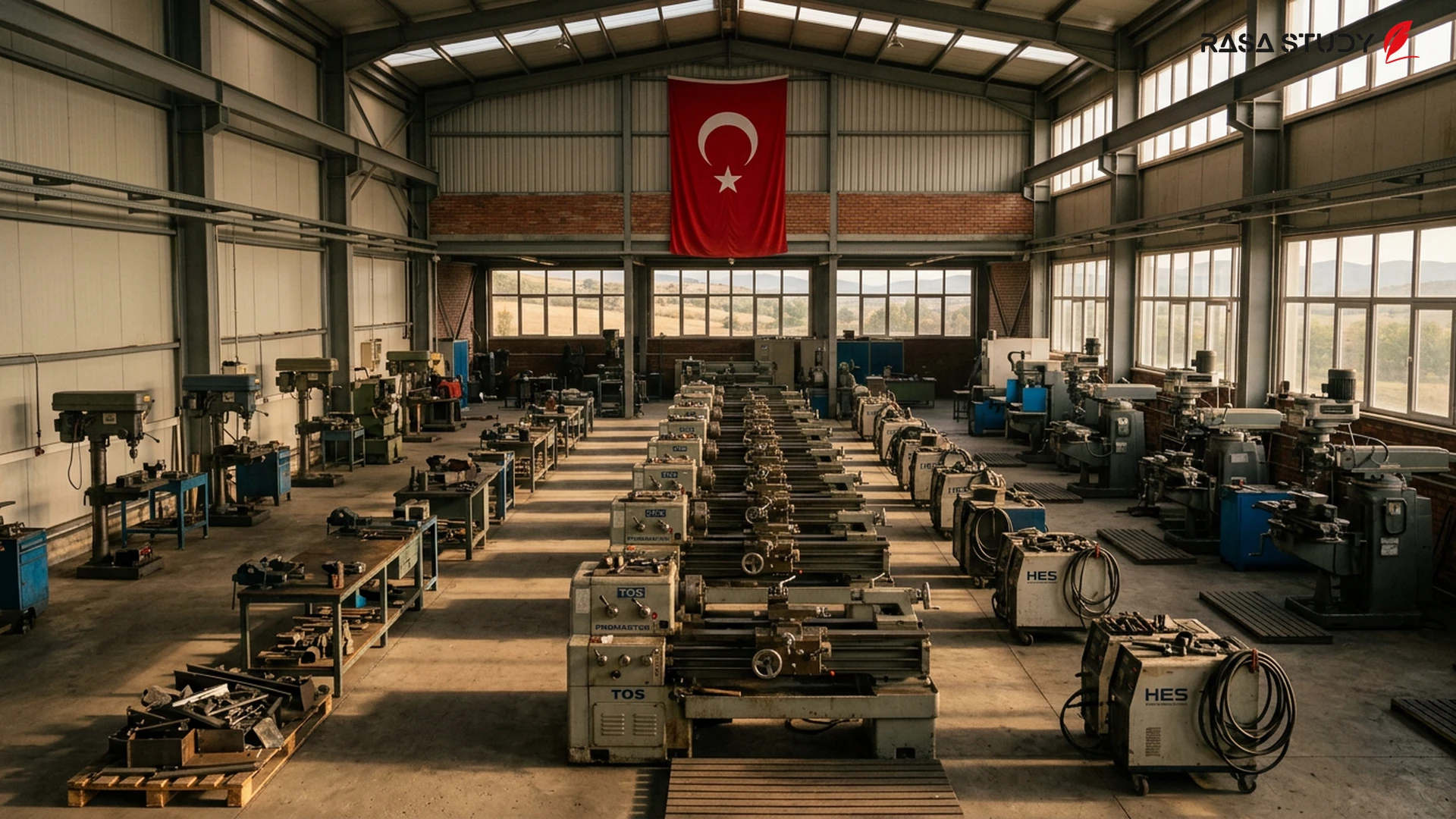
In a new move to reform the structure of vocational training, the Council of Higher Education (YÖK) has rejected all recent requests to open new departments in Vocational Schools (MYO) to focus on quality.
The Council of Higher Education (YÖK) has recently adopted new policies regarding the development of Vocational Schools (MYO). According to reports published in local media, including the "Gazi Emet" newspaper, the council has declined numerous requests submitted by various universities to open new sections and departments [1]. This decision reflects a strategic shift in the management of Turkish higher education toward quality improvement rather than quantitative expansion.
Reasons for YÖK's Opposition to Department Expansion The primary reason for this opposition is cited as labor market saturation in certain fields and the mismatch between university outputs and actual industrial needs. In recent statements, YÖK emphasized that the opening of any new department must be accompanied by employment guarantees and the existence of sufficient laboratory infrastructure [2]. The council believes that an indiscriminate increase in the number of graduates in fields where there is no effective demand only leads to an increase in the hidden unemployment rate.
Focus on Higher Education Planning In 2026, the territorial planning strategy in the field of higher education has become one of the government's priorities. According to available data, many technical colleges in small towns face student shortages or a lack of modern equipment [3]. YÖK's rejection of new requests is a clear message to universities to focus on upgrading educational standards and collaborating with the private sector instead of competing to attract students in redundant fields.
Impact on Local Universities and the Emet Region Exclusive reports from the "Emet" region indicate that local authorities' efforts to add new departments to the technical college in this area have hit the firm wall of the Council of Higher Education [1]. Although this may cause disappointment among local officials in the short term, educational experts believe that these strict measures will ultimately benefit students by guiding them toward fields where the labor market awaits them after graduation.
Future Outlook for Vocational Training In the coming months, YÖK is expected to publish a new list of "priority departments" based on emerging technologies and the country's strategic needs. Only universities that can guarantee high educational standards in these areas will receive operating licenses [2]. This approach is part of Turkey's comprehensive plan to become a regional industrial hub in the next decade.
YÖK's new decision to limit new departments in technical colleges to improve employability.
linkSources
- YÖK'ten Meslek Yüksekokulu Yeni Bölüm Taleplerine Ret — Gazi Emet Gazetesi (2026-07-18)
- Yükseköğretim Kurumu Mesleki Eğitim Planlaması 2026 — YÖK (2026-07-15)
- Türkiye'de Ara Eleman İhtiyacı ve MYO Kontenjanları — TRT Haber (2026-07-10)