A new BBC investigation has uncovered a human tragedy at Turkey's borders, where Afghan migrants claim they were tortured by security forces and pushed back toward the Iranian border amidst a deadly storm and freezing cold.
Survivors' Accounts of Torture and Humiliation at the Border New reports published in July 2026 have revealed fresh dimensions of mistreatment of asylum seekers at Turkey's eastern borders. According to a BBC Forensic investigation, a group of Afghan migrants attempting to cross from Iran into Turkey claimed they were detained and severely beaten by Turkish border guards [1]. In interviews, these migrants stated that soldiers used iron bars and sticks to torture them and even forcibly took their clothes, shoes, and personal belongings [2].
One eyewitness named Shahswar, 21, gives a shocking account, saying that security forces held them in inhumane conditions for several days without food, only subjecting them to beatings. These reports indicate that the purpose of these actions was to create fear and terror to prevent asylum seekers from re-entering Turkish territory [3].
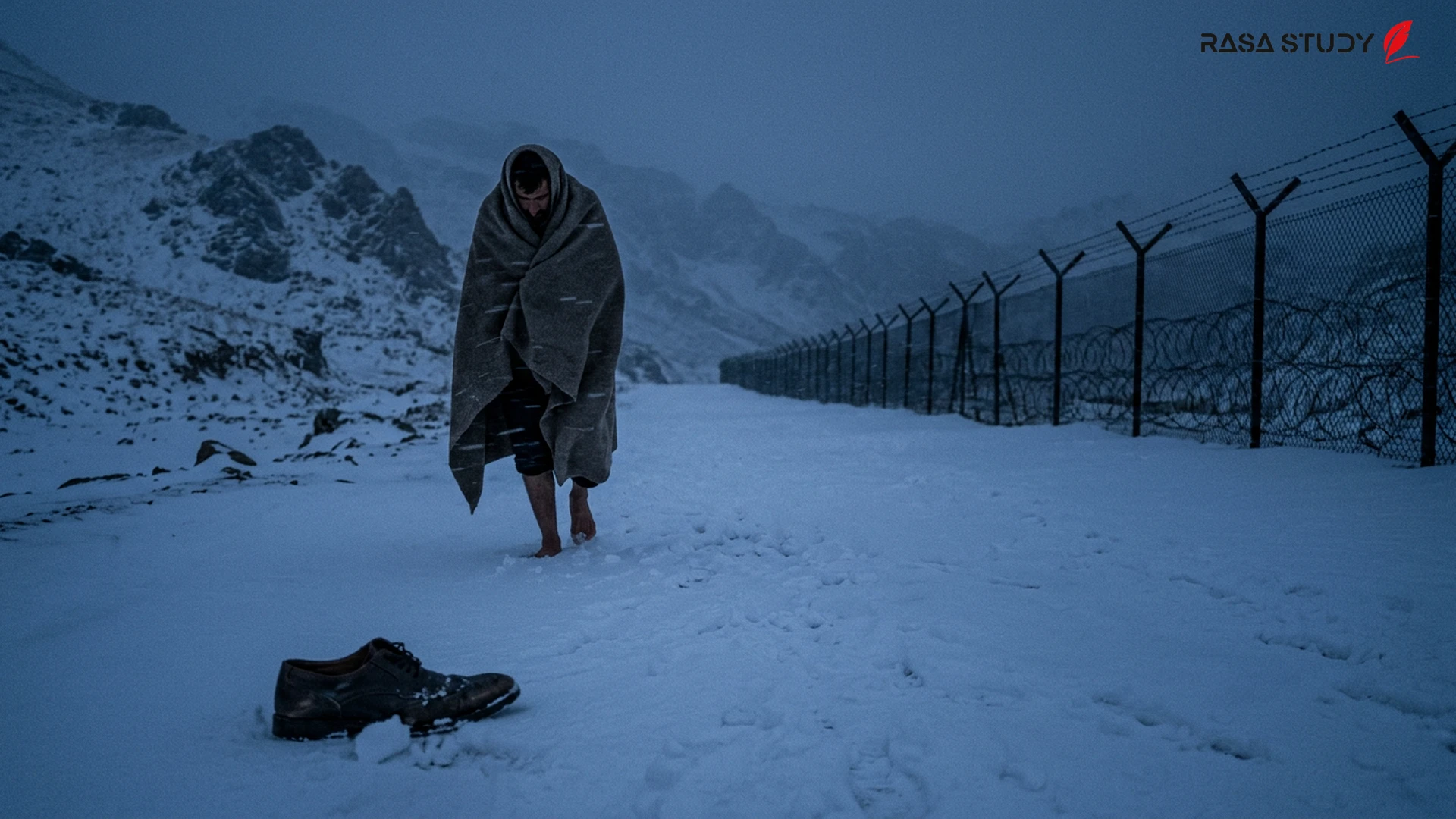
Tragedy at -15 Degrees Celsius The most horrific part of this report concerns an incident near the city of Van. Migrants claim that after being tortured, Turkish forces pushed them back (Pushback) toward the Iranian border in small groups in temperatures of -15 degrees Celsius, while many lacked shoes and warm clothing [1]. That night, a severe snowstorm and lack of visibility turned the return path into a deadly trap.
According to survivors, at least 20 members of this 50-person group died from severe hypothermia. Images and videos shared on social media, recorded by other migrants, show the dire situation of asylum seekers abandoned in the snow, unable to move [2].
Irreparable Consequences: Amputation and Death This tragedy did not end only in death. Medical reports confirm that 11 survivors had to undergo amputations due to severe frostbite. Among them is a 13-year-old boy named Asim, who lost parts of his limbs. Shahswar, mentioned earlier, is now hospitalized in Kabul, where both his hands and feet were amputated due to the severity of the cold-related injuries [3].
Human rights activists warn that this is not the first time such reports have emerged from the Iran-Turkey border. Amnesty International has previously noted direct fire and forced returns of Afghan migrants in its reports, but the scale of the recent incident and the number of casualties from the cold have sparked a new wave of international concern [4].
Turkish Officials' Response and International Reactions In response to these accusations, the Turkish Ministry of Foreign Affairs has rejected all claims made in the BBC report. Officials in Ankara claim that the country's border forces act entirely within the framework of national and international laws and adhere to human rights principles [1]. They emphasized that detained migrants are provided with food, water, and medical services, and that border measures are aimed solely at managing the flow of illegal migration [2].
However, the contradiction between official statements and the documented accounts of migrants has increased pressure on the Turkish government to conduct an independent investigation. International organizations are calling for an immediate halt to the 'forced return' policy and for the safety of asylum seekers who have fled to the country's borders out of fear of the Taliban to be guaranteed.
Afghan asylum seekers claim they were pushed back toward the Iranian border by Turkish police at -15 degrees without proper shoes or clothing.
linkSources
- BBC: Afgan göçmenlerin iddiası: Türk polisi sınırda çubuklarla dövdü, İran sınırına sürdü ve en az 20 kişinin donarak öldü — Serbestiyet (2026-07-02)
- Afghan migrants say Turkish border forces beat, robbed, abandoned them in snowstorm — Turkish Minute (2026-06-27)
- 'We were beaten, robbed, and left in a snowstorm': Afghan migrants allege mistreatment at the Turkish border — Afghanistan Analysts Network (2026-06-27)
- Turkey: Stop pushbacks of Afghan refugees — Amnesty International (2022-08-31)