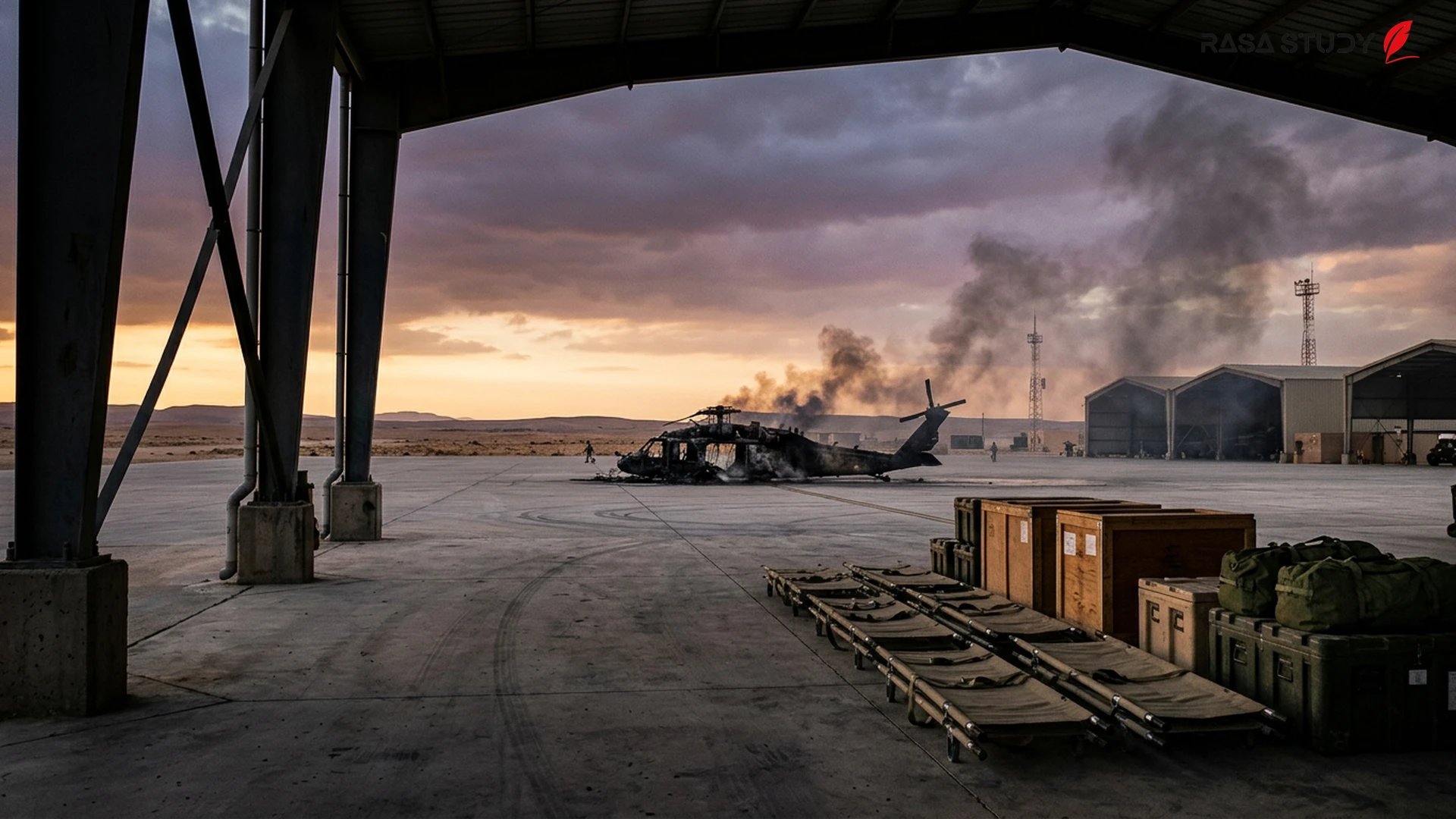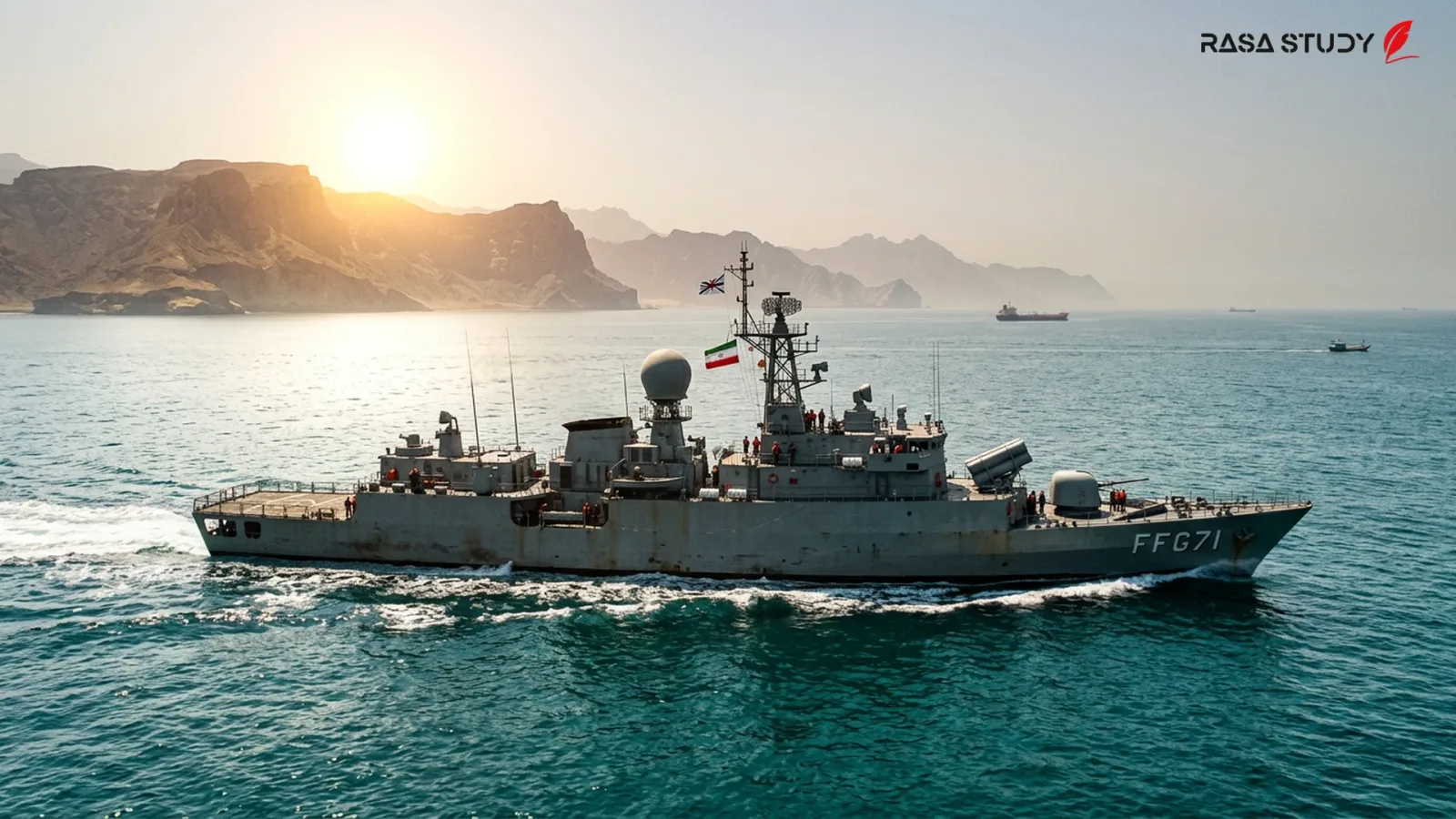
Seyed Abbas Araghchi, Iran's Foreign Minister, strongly criticizing the United States military presence in the region, declared that peace and stability in the Middle East will only be sustainable when it is comprehensive, inclusive, and free from any foreign intervention.
Amid diplomatic and military tensions in the region, Seyed Abbas Araghchi, the Foreign Minister of the Islamic Republic of Iran, issued a clear message regarding the future of security in the Persian Gulf and West Asia. Reacting to the recent security meeting hosted by Bahrain and led by the United States Central Command (CENTCOM), he emphasized that imported security models and coalitions led by extra-regional powers not only fail to contribute to stability but are the primary cause of insecurity [1][3].
Reaction to the Bahrain Security Meeting On July 2, 2026, CENTCOM announced that it held a meeting in Manama with military officials from 12 regional countries to discuss maritime security in the Strait of Hormuz and air defense cooperation. In response to this move, Araghchi questioned CENTCOM's role in a message on the social media platform X, asking: "Has CENTCOM brought security to our region, or insecurity?" [4]. He noted that Iran's armed forces have repeatedly proven that foreign powers are incapable of even protecting themselves and cannot be a reliable security anchor for regional countries [2].
The Concept of Comprehensive and Inclusive Peace The Iranian Foreign Minister emphasized a key principle in his remarks: sustainable peace is only achieved when it is "comprehensive and inclusive." From Tehran's perspective, security should not be defined selectively or against another country. Araghchi believes that any security arrangements in the region must include all indigenous actors and be formed based on respect for national sovereignty and new geopolitical realities [1][5]. These statements come amid reports of indirect negotiations between Iran and the United States in Switzerland to reduce tensions [4].
Defensive Authority and Sovereignty over the Strait of Hormuz Another part of the sharp stance taken by Iranian officials relates to sovereignty over strategic waterways. Alongside Araghchi, Kazem Gharibabadi, the Deputy Foreign Minister for Legal and International Affairs, emphasized that the security of the Strait of Hormuz is defined under Iran's command and no military meeting in Bahrain can establish a new legal order for this region [3]. These positions demonstrate Iran's determination to counter Western efforts to shape the security structure of the Persian Gulf. Araghchi concluded his message by reminding that true peace is tied to the end of interventions and the withdrawal of American forces from the region [5].
Seyed Abbas Araghchi: Peace in the region remains sustainable only with a comprehensive approach and without foreign intervention.
linkSources
- صلح در منطقه ما تنها زمانی پایدار خواهد بود که فراگیر و همهشمول باشد — پایگاه اطلاعرسانی دولت (2026-07-02)
- İran Dışişleri Bakanı Arakçi: Bölgemizde barış kapsamlı ve kapsayıcı olduğunda sürdürülebilir — Sabah (2026-07-03)
- Araghchi responds to CENTCOM's recent message — Mehr News Agency (2026-07-02)
- عراقچی: آمریکا، عامل ناامنی منطقه ماست — IRIB News (2026-07-02)