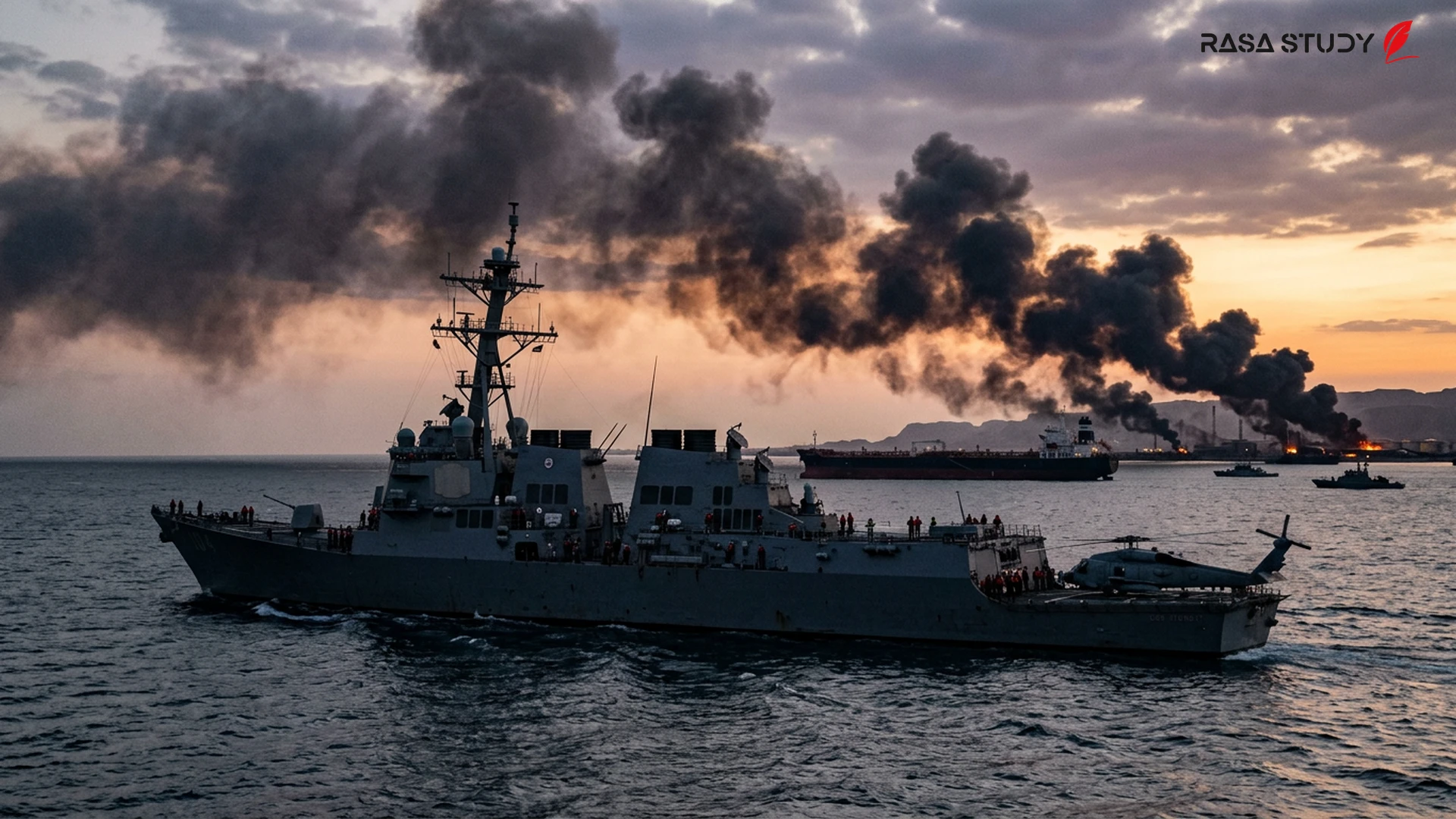
United States Central Command (CENTCOM) announced today, July 17, 2026, that it has successfully completed a new wave of airstrikes against military targets on Iranian soil and strategic islands in the Persian Gulf.
CENTCOM Operation Details and Targeted Objectives US Central Command (CENTCOM) announced in an official statement that its forces have completed a new wave of targeted attacks against military facilities in southern Iran. According to published reports, these attacks, which included a 90-minute wave and a broader 7-hour operation, targeted command centers, air defense systems, and missile and drone launch sites [1][3].
Reports indicate that US Navy aircraft, drones, and vessels used precision munitions to destroy targets in Bandar Abbas and Greater Tunb Island [5]. CENTCOM claims this operation was conducted with the aim of weakening Iran's ability to threaten commercial shipping in the Strait of Hormuz, a route considered vital for global energy trade [2].
Return of the Naval Blockade and Trump's Orders These attacks come as US President Donald Trump has ordered the re-establishment of a naval blockade against Iranian ports [4]. According to the CENTCOM statement, this blockade has been in effect since yesterday evening Washington time, aiming to prevent the movement of military and commercial vessels that the US claims are involved in destabilizing activities [2].
The US President warned that if a new agreement is not reached, attacks on more critical infrastructure, including bridges and power plants, will continue in the coming weeks [2]. This aggressive approach has completely dismantled previous understandings and brought the region to the brink of an all-out war.
Iran's Counter-Response and Regional Base Status In response to this aggression, the Armed Forces of the Islamic Republic of Iran announced a decisive response to US positions. Iranian domestic media reported that air defenses in southern regions, including around the Bushehr nuclear power plant, have been activated [3]. Also, reports of retaliatory Iranian drone and missile attacks on US military bases in Bahrain, Kuwait, and Jordan have been broadcast [4].
Iranian military officials emphasized that the security of the Strait of Hormuz is Tehran's red line and that the presence of foreign forces only fuels further insecurity. Meanwhile, hospital reports in southern Iran indicate that more than 260 people were injured following the recent attacks, highlighting the extensive human dimension of these conflicts [2].
Economic Consequences and International Reactions The renewal of conflicts in the Strait of Hormuz immediately cast a shadow over global markets. Crude oil prices have jumped significantly over the past two days, and the United Nations has warned of the human rights and economic consequences of blocking this international waterway [2]. Regional countries, including Qatar and the United Arab Emirates, have also expressed deep concern over the expansion of the war, while some US senators continue to emphasize the diplomatic option to exit this deadlock [3].
CENTCOM claims recent attacks targeted Iranian military capabilities in the Strait of Hormuz.
linkSources
- CENTCOM, İran'a yönelik yeni saldırı dalgasının tamamlandığını açıkladı — Haber365 (2026-07-15)
- US conducts new round of attacks against Iran, striking military targets near Strait of Hormuz — Fox News (2026-07-15)
- سنتکام از پایان موج اخیر تجاوز به ایران خبر داد — Mehr News Agency (2026-07-16)
- تداوم تجاوز آمریکا؛ سنتکام دور دیگری از حملات به ایران را اعلام کرد — Khabar Online (2026-07-15)
- سنتکام از پایان عملیات ۹۰ دقیقهای علیه ایران خبر داد — Tejarat News (2026-07-15)


