In a landmark ruling for Turkey's academic community, the Ankara Administrative Court annulled the Council of Higher Education's (YÖK) decision not to pursue Dr. Aksel Çelik's mobbing complaint, emphasizing the need for a thorough investigation into management misconduct.
Details of the Historic Court Ruling Against YÖK Inaction On June 29, 2026, the Ankara Administrative Court issued a significant ruling annulling the decision of the Council of Higher Education (YÖK) to take no legal action regarding the "mobbing" (psychological and professional harassment) complaint filed by Dr. Aksel Çelik. The court stated that YÖK rejected his complaint without a detailed examination of the evidence, including previous court rulings that indicated the professor's innocence in numerous disciplinary cases [1].
This ruling signifies a shift in the judiciary's approach toward the responsibility of regulatory bodies regarding systematic harassment in academic environments. The court emphasized that YÖK is obligated to investigate the nature of arbitrary and continuous management behavior against faculty members instead of ignoring complaints [1].
Case Background; Years of Struggle Against Systematic Harassment Dr. Aksel Çelik, an Associate Professor at the Faculty of Sport Sciences at Dokuz Eylül University (DEÜ), has been engaged in an extensive legal battle with the university's former management for years. During the presidency of Nükhet Hotar, more than 15 disciplinary cases were opened against him, most of which were later annulled by administrative courts [2].
Çelik had previously succeeded in a separate case where the university was ordered to pay 50,000 Liras in moral compensation due to pressure and discrimination [3]. However, the Council of Higher Education (YÖK) had claimed in its inspection reports that "there is no action to be taken," a decision that has now been declared illegal by the Ankara court [1].
Importance of the Ruling for Academic Job Security in Turkey This legal victory belongs not only to Dr. Çelik but also sends a clear message to the entire Turkish higher education system. In the text of its decision, the court explicitly stated that "mobbing" is considered a violation and a crime under Turkish law, encompassing behaviors carried out continuously with the aim of isolating, discrediting, and psychologically harassing an employee [1].
Many legal experts believe that the annulment of YÖK's decision will force the institution to handle faculty complaints against university rectors with greater seriousness in the future. This ruling could serve as a barrier against the instrumental use of disciplinary councils to suppress dissenting professors or those not aligned with management [2].
Next Steps and Executive Consequences With the annulment of the relevant clause of the YÖK decision, the Council is now required to reopen Dr. Çelik's complaint file and decide on the misconduct of the university management at the time, considering the issued judicial rulings and evidence of mobbing. Furthermore, the court ordered YÖK to pay the litigation costs and attorney fees [1]. This case is recognized as one of the longest and most complex workplace harassment cases in Turkish academic history, now shifting toward the rule of law.
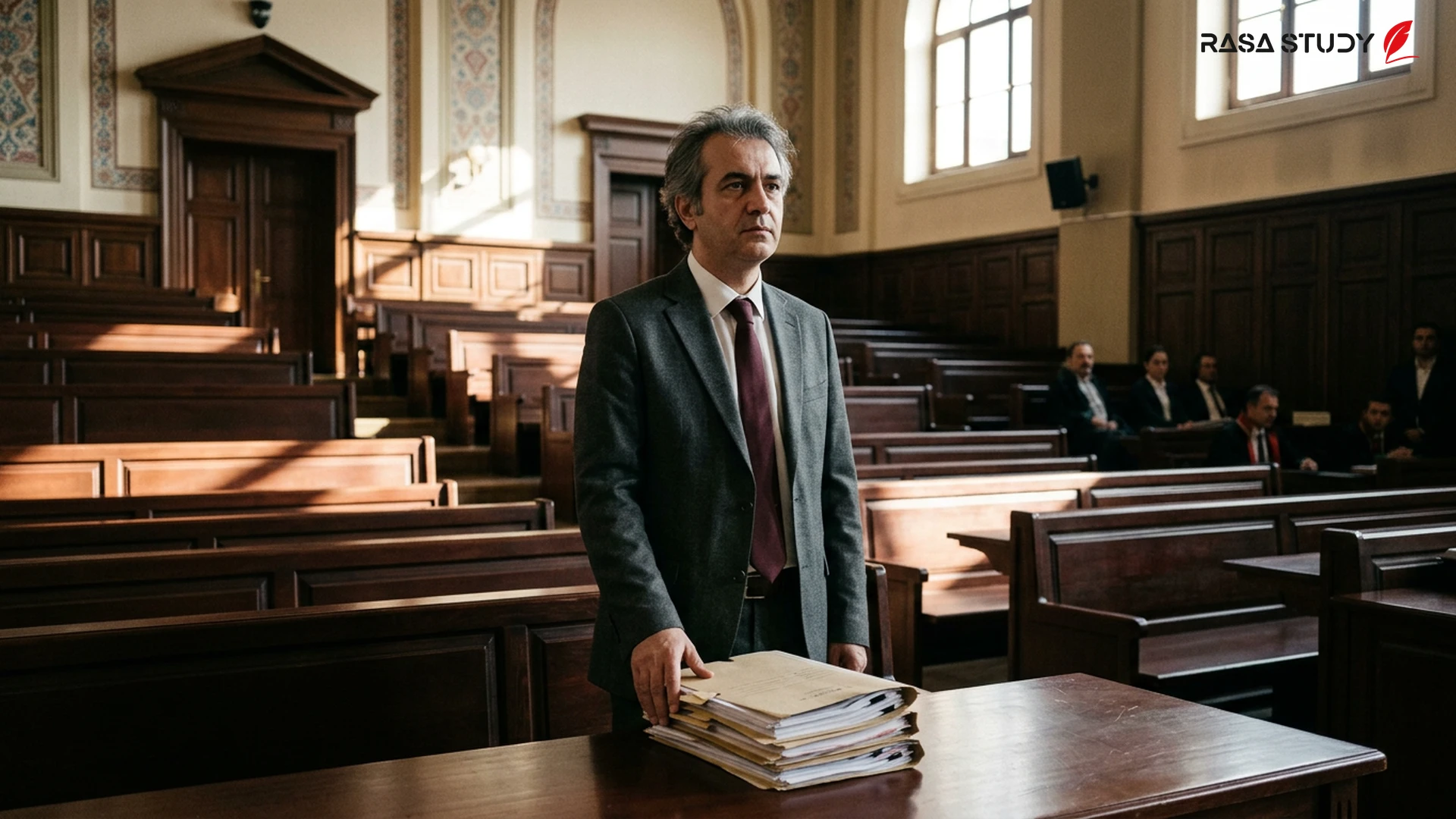
The Ankara Administrative Court issued a ruling condemning the inaction of regulatory bodies against academic mobbing.
linkSources
- Mahkeme, Doç. Dr. Aksel Çelik'i mobbing şikâyetinde haklı buldu: YÖK'ün işlem yapmama kararı iptal edildi — Evrensel (2026-06-29)
- DEÜ Eski Rektörü tarafından mobbinge uğramıştı: Mahkeme Akademisyen Aksel Çelik'i haklı buldu — Evrensel (2025-10-05)
- DEÜ'de Rektör Hotar gitti ama davaları sürüyor — PervinKaplan.com (2025-06-12)