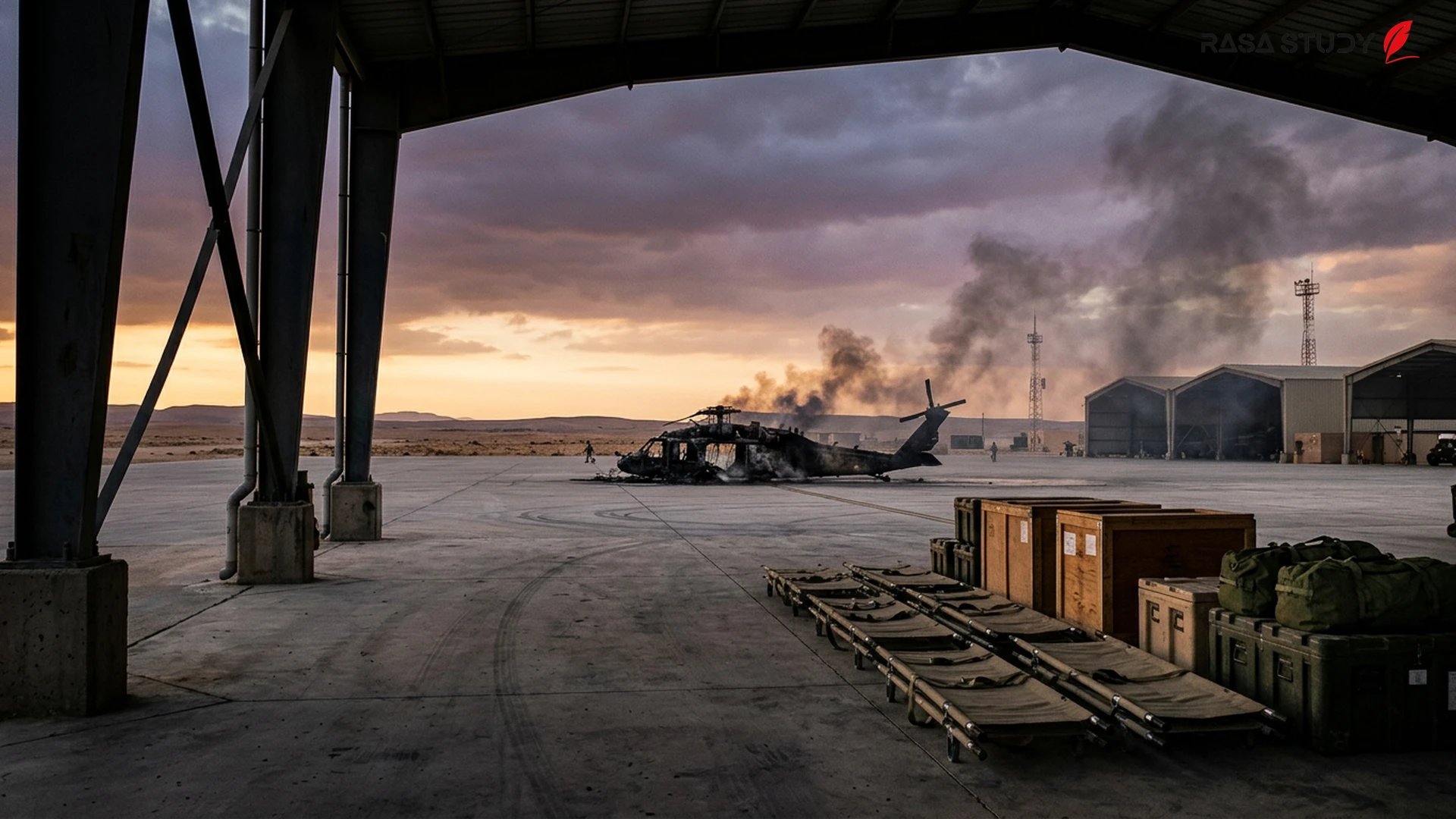
Regional and international media reports have announced the death of Yahya Hosseini Panjaki, known as "Iran's Number One Hacker." He commanded the notorious "Handala" hacking group and reportedly died during recent conflicts.
While the region is in a fragile ceasefire between Iran and the United States, new reports indicate a heavy blow to the Islamic Republic's cyber warfare structure. According to the Azerbaijani website "Modern," Yahya Hosseini Panjaki, referred to as Iran's number one hacker, was killed during recent military operations [1]. This news, widely reflected in Hebrew and international media, reveals the true identity of one of Iran's most mysterious security figures.
Details of the Modern.az Report and Confirmation of Handala Commander's Identity According to published information, Yahya Hosseini Panjaki commanded the hacking group known as "Handala." This group, which presented itself as a pro-Palestinian "hacktivist" organization, was actually a cyber arm of the Islamic Revolutionary Guard Corps (IRGC) and the Ministry of Intelligence [1][2]. Reports indicate that Panjaki was killed as a result of a targeted operation during conflicts that began in February 2026. Although the active phase of military conflicts between Iran and the US ended in April and a 60-day ceasefire is currently in place, the dimensions of human casualties in this war are still being revealed [1].
Yahya Hosseini Panjaki; From Deputy Intelligence Minister to Cyber Operations Leader Western intelligence sources and media outlets such as "GFeed" have claimed that Panjaki was not only an elite hacker but also Iran's Deputy Minister of Intelligence for Israel Affairs [2]. He was directly responsible for leading cyber operations against critical infrastructure in Israel and the United States. His group, "Handala," had previously claimed responsibility for major attacks, including infiltrating defense company systems and leaking sensitive information of Israeli officials [3]. He is said to be from a new generation of intelligence officials trusted by the Iranian leadership who played a key role in designing hybrid cyber attacks.
Impact of This Incident on Iran's Electronic Warfare Capabilities The death of an individual at Panjaki's level, referred to as the mastermind of cyber operations, could create a significant vacuum in Iran's offensive capabilities. In recent months, even after initial US attacks, the Handala group continued its activities and claimed to have hacked major companies like "Stryker" [3]. However, the physical elimination of the group's commander and the exposure of his identity as a high-ranking government official challenges Tehran's previous claims that these hacking groups were "spontaneous" and increases diplomatic pressure on Iran during the ceasefire [2].
Ceasefire Status and International Reactions The release of this news on June 25, 2026, coincides with efforts to extend the ceasefire between Tehran and Washington. While official authorities in Tehran have not yet officially reacted to these reports, Telegram channels close to security agencies have begun publishing content praising the "anonymous martyrs of the cyber field" [2]. On the other hand, US President Donald Trump, in recent remarks, mentioned the non-intervention of some regional countries in the war with Iran but emphasized that pressure on Iran's proxy and cyber networks will continue [1].
Reports indicate a fatal blow to Iran's cyber command in June 2026.
linkSources
- İran'ın 1 numaralı bilgisayar korsanı da öldürülmüş — Modern.az (2026-06-25)
- Israel Took Out Iran's Top Cyber Operative on Day One. Iran Just Confirmed It. — Jfeed (2026-06-25)
- US Strikes Killed Iranian Cyber Chiefs, But The Hacks Continued — Forbes (2026-03-17)