In today's transactions on June 13, 2026, the Turkish currency market witnessed new fluctuations. While geopolitical tensions cast a shadow over prices, the Dollar and Euro rates are at the center of investor attention.
Today, Saturday, June 13, 2026, Turkish financial markets began their activity as traders closely monitor regional political and economic developments. According to reports published by reputable media outlets, including "Sabr Gazetesi," the price of the Dollar and Euro against the Turkish Lira has been accompanied by minor but significant changes [1]. These fluctuations occur while the Turkish economy grapples with challenges arising from inflation and external pressures.
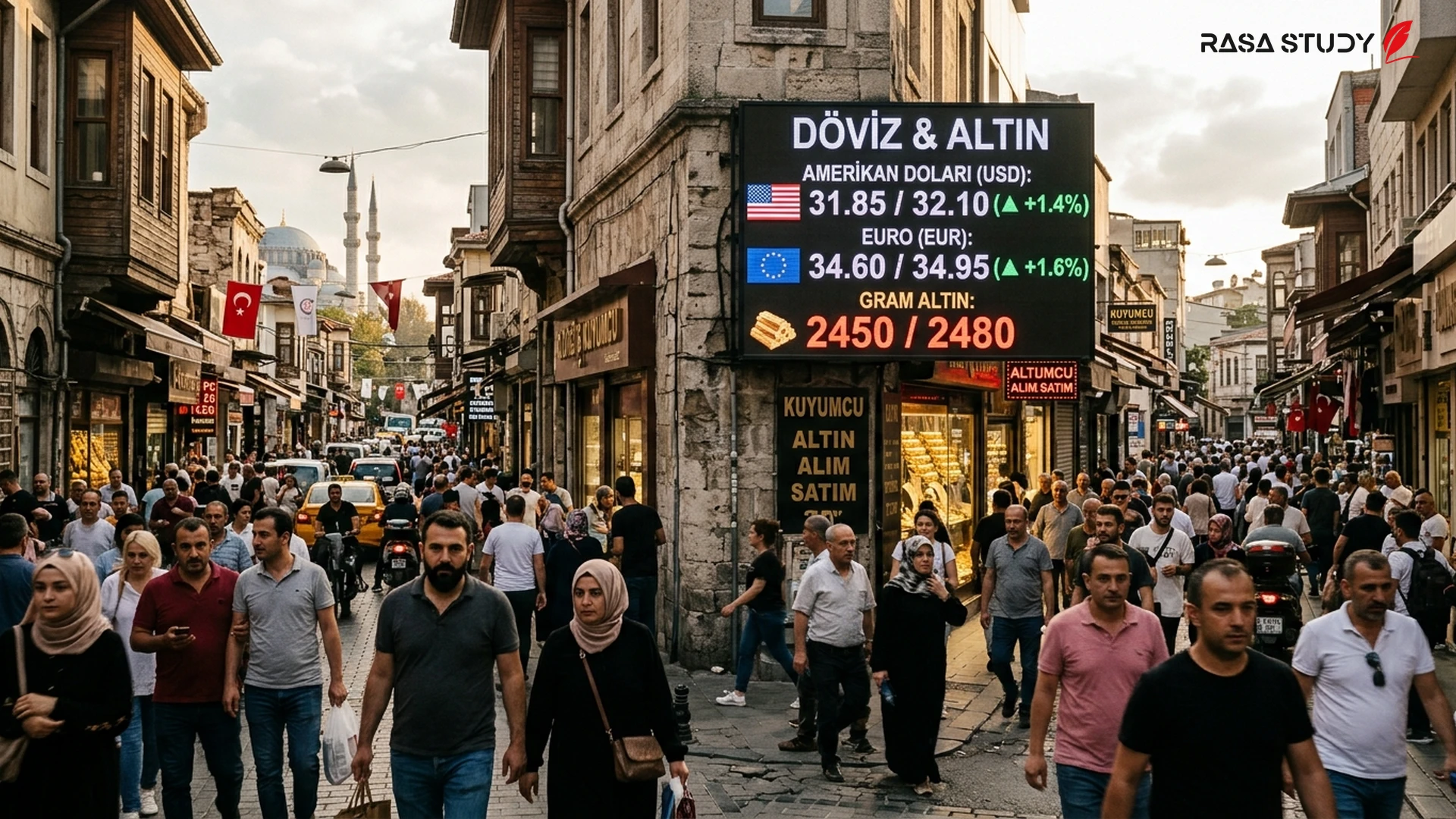
Latest Prices in the Istanbul Free Market According to real-time free market data, the price of each US Dollar in today's transactions reached the range of 45.43 Lira [1]. Also, the Euro, the single European currency, is trading at a rate of 53.38 Lira, indicating a slight increase compared to previous days [7]. The British Pound has also stabilized at the level of 61.60 Lira. These figures indicate the continued pressure on the Turkish Lira in global markets, especially in conditions where the EUR/USD pair is at the level of 1.1568 [1].
Central Bank Monetary Policy and Interest Rates The Central Bank of the Republic of Türkiye (CBRT), in its latest meeting held this week, decided to keep the key interest rate (one-week repo) unchanged at 37% [3]. This is the third consecutive meeting where the Central Bank has adopted a wait-and-see policy. Central Bank officials have announced that contractionary monetary policies will continue until a sustainable decline in the inflation trend is observed [4]. Fatih Karahan, the Governor of the Central Bank, emphasized that their main priority is maintaining price stability in the medium term [2].
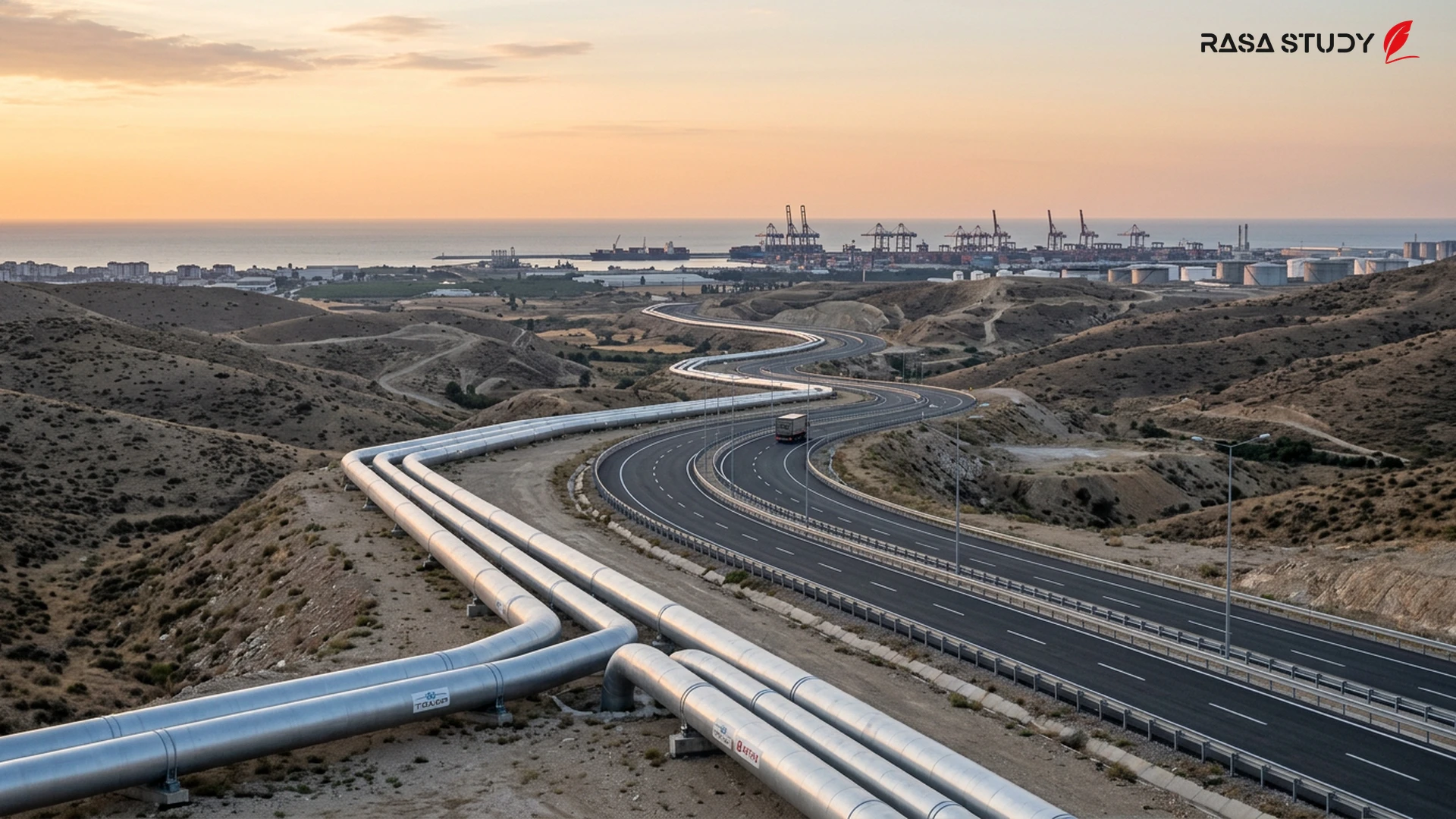
Impact of Regional Tensions on the Economy One of the main factors for recent fluctuations is geopolitical tensions in the Middle East and their impact on energy prices. Recent conflicts that led to the temporary closure of the Strait of Hormuz have increased oil and gas prices, and since Turkey is an energy-importing country, this has created additional inflationary pressure [2]. The annual inflation rate in May 2026 reached 32.61%, which was slightly higher than previous forecasts [4].
Market Outlook and Expert Predictions Analysts at the ING institution predict that the disinflation process will continue at a slower pace in the second half of 2026, with inflation likely reaching around 29% by the end of the year [4]. However, Mehmet Şimşek, the Turkish Finance Minister, expressed optimism that despite delays caused by the energy crisis, the disinflation process will return to its main path [2]. Investors are now waiting for new economic data to predict the next direction of the currency market [1].
Currency fluctuations in the Turkish free market under the influence of Central Bank decisions and regional geopolitical tensions.
linkSources
- Dövizde Son Durum: Dolar ve Euro Fiyatları Yükseldi mi? — Sabır Gazetesi (2026-06-13)
- Türkiye says disinflation to get back on track after short delay — Daily Sabah (2026-06-12)
- Turkish Central Bank holds policy rate at 37% for third straight meeting — Yeni Şafak (2026-06-11)
- ING projects slow easing cycle for Türkiye, sees 29% inflation by end-2026 — ING / Economy Middle East (2026-06-10)