Following an unprecedented escalation of military tensions between the United States and Iran in the Persian Gulf, the European Union issued a statement assuring that the continent's energy security faces no immediate threat and fuel reserves are stable.
Today, July 9, 2026, as global markets anxiously follow military developments in the Persian Gulf, Brussels has issued a decisive message to calm energy markets. After a heavy exchange of fire between American and Iranian forces in the Strait of Hormuz, the European Commission officially announced that there are no immediate concerns regarding the continent's energy supply security [1].
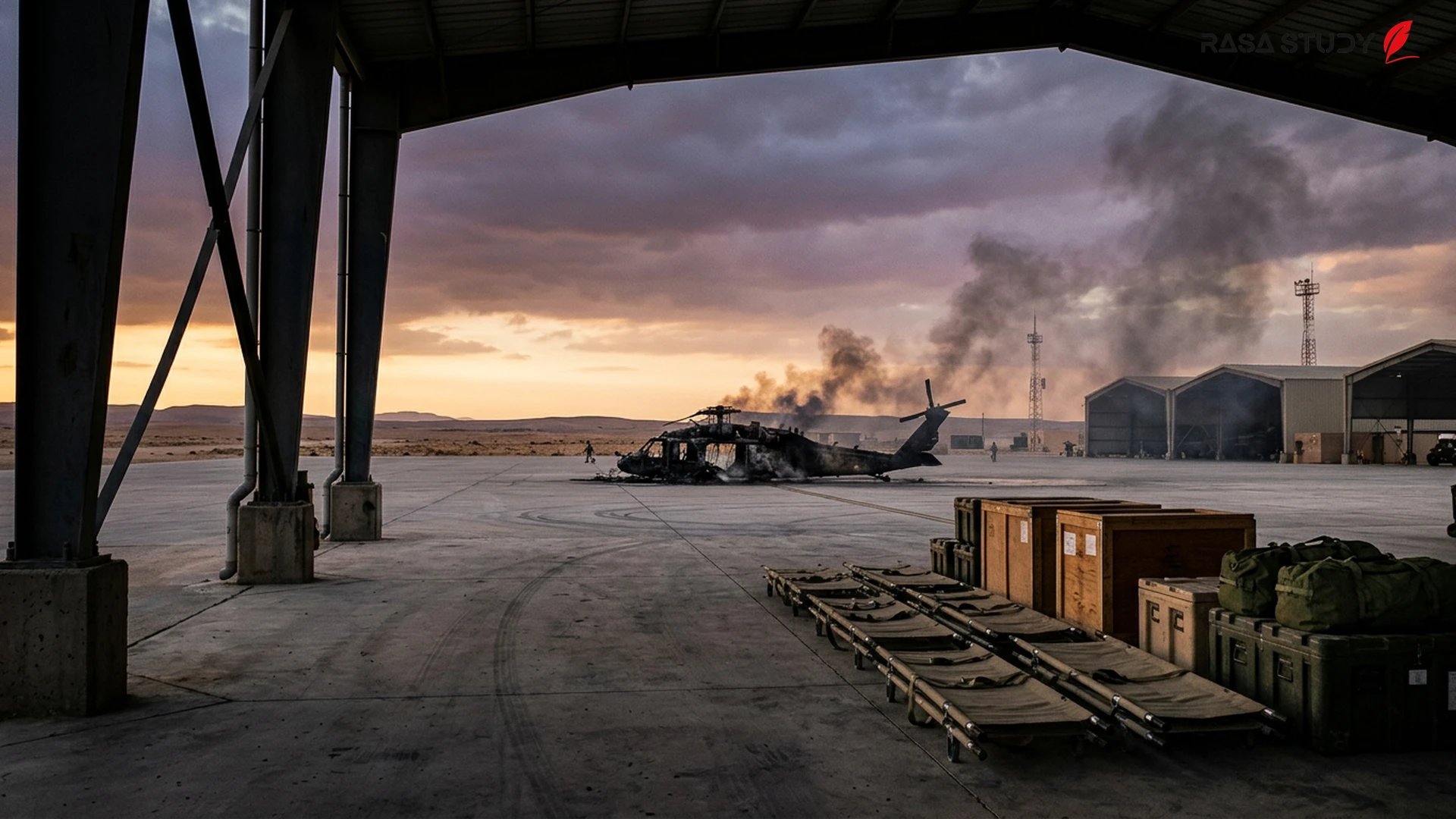
Tension in the Strait of Hormuz and Global Market Reaction Over the past 48 hours, conflicts in the region have reached their peak. Following drone and missile attacks on commercial vessels, the U.S. Central Command (CENTCOM) announced it had struck more than 80 targets on Iranian soil. In response, Iranian armed forces targeted U.S. military bases in Bahrain and Kuwait [3]. These developments caused Brent crude prices to rise above $80 per barrel, increasing concerns about a total blockade of the Strait of Hormuz, the world's vital energy artery [4]. However, European officials believe that current infrastructure has the capacity to manage this crisis.
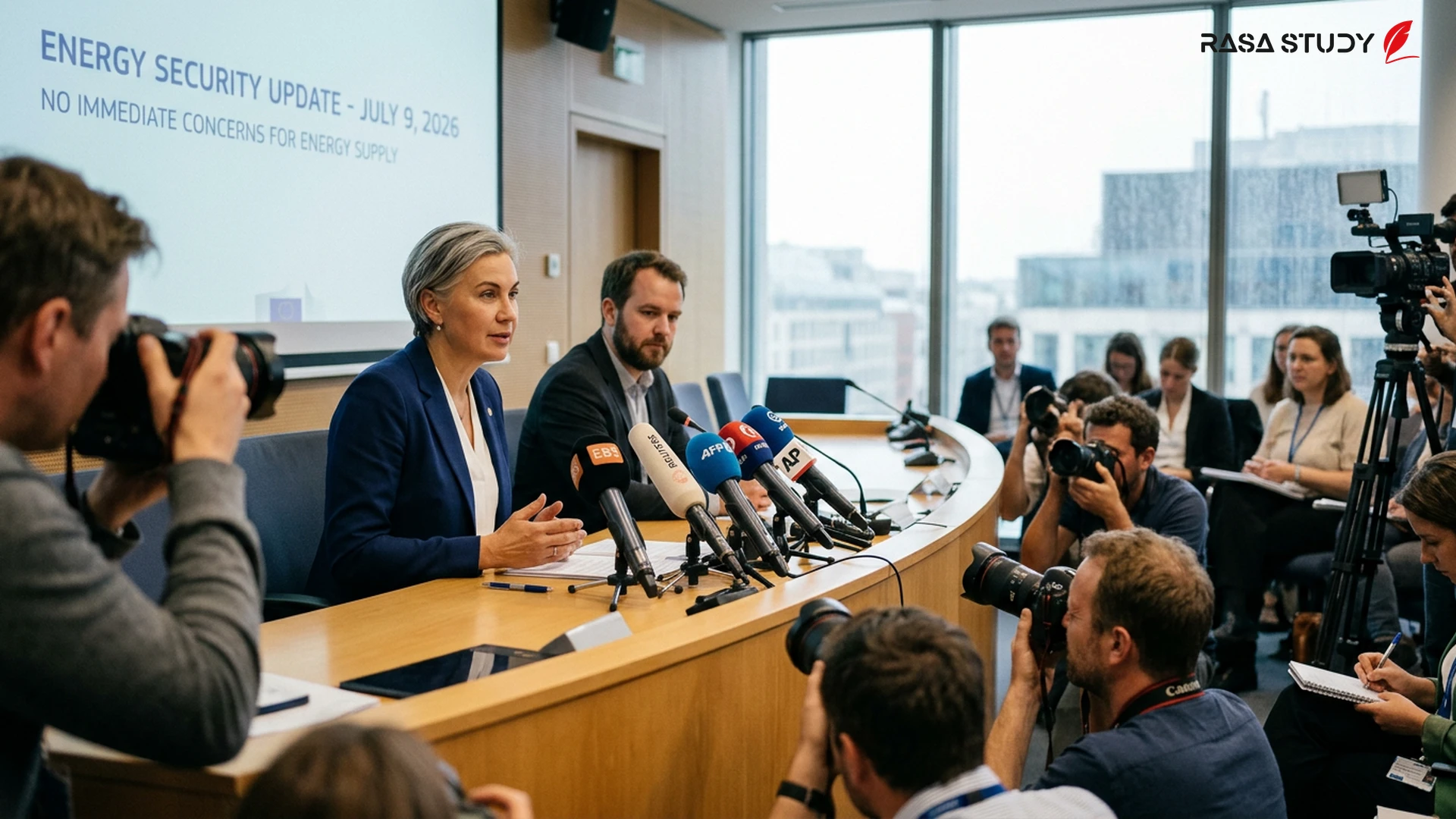
Brussels' Official Stance: Stability Amid Instability Anna-Kaisa Itkonen, spokesperson for the European Commission, emphasized at a press conference in Brussels today that although the situation in the region is "very fragile and volatile," the European Union has no concerns about energy supply security at this stage [2]. She noted that Europe's greatest current concern is not a physical fuel shortage, but rather extreme price fluctuations in global markets that could impact household economies [1]. This stance reflects Brussels' confidence in the energy source diversification strategies adopted following the crises of previous years.
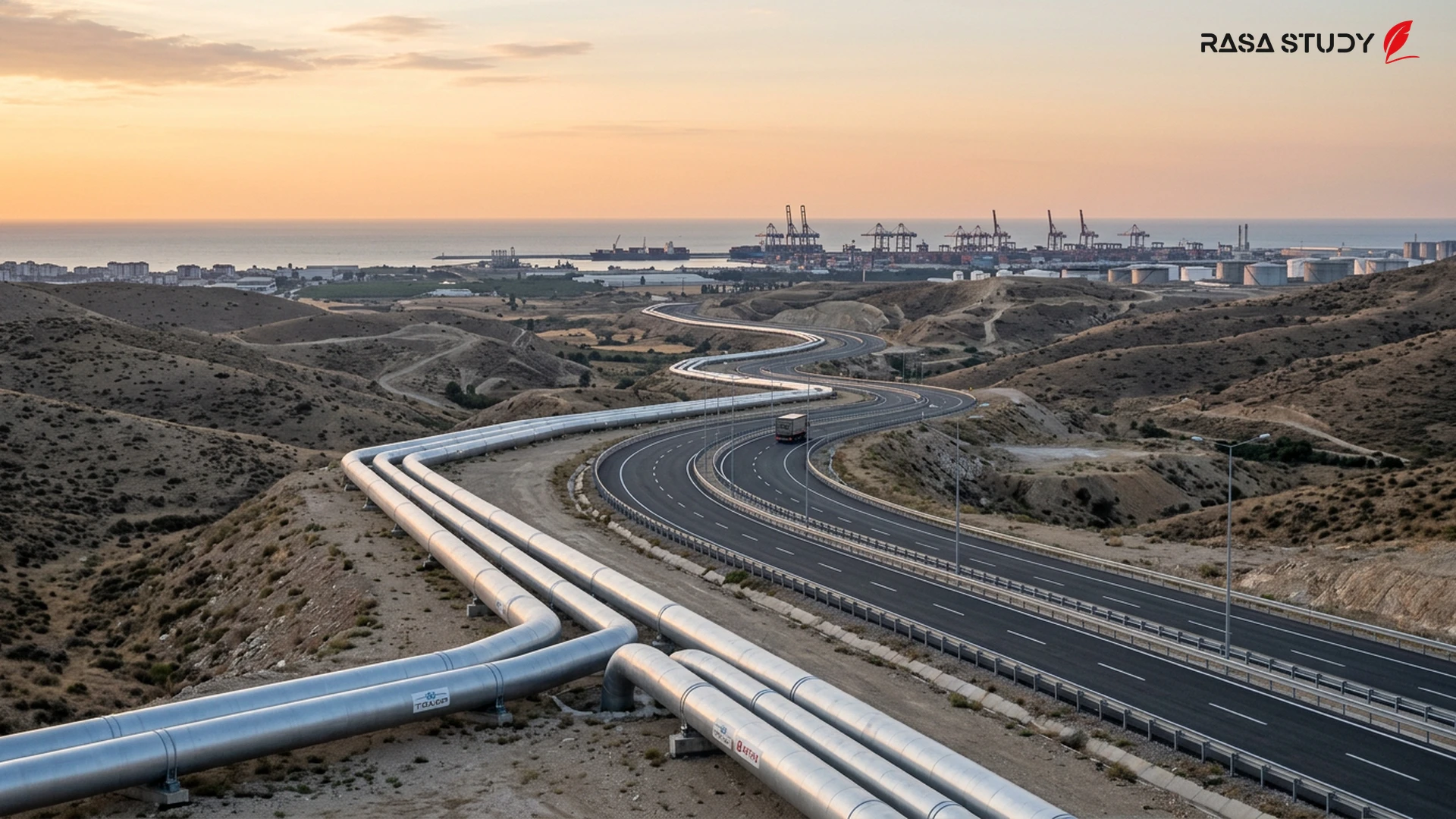
Status of Gas Reserves and International Coordination According to published reports, natural gas storage levels in the European Union currently stand at approximately 51 percent. Although this figure appears lower than the average of previous years, European energy officials emphasize that it is sufficient for this time of year, and the target of reaching 80 to 90 percent storage before the start of the winter season remains attainable [2][4]. The European Commission also stated that it is in full coordination with the International Energy Agency (IEA) and industry representatives to implement rapid response measures in the event of any sudden disruptions [1].
Future Outlook and Energy Diplomacy Despite Europe's reassuring message, experts warn that continued conflict could entirely destroy previous fragile agreements. Kaja Kallas, the European Union's foreign policy chief, warned that the exchange of fire between Washington and Tehran has placed the peace negotiations, which reached preliminary results in June, at serious risk [3]. Europe is now attempting to maintain maritime security in the Strait of Hormuz and the Red Sea through cooperation with Persian Gulf countries to prevent further shocks to the energy market [4].
European officials announced that despite military clashes in the Strait of Hormuz, the continent's energy security remains in a stable condition.
linkSources
- ABD-İran gerilimi sonrası Avrupa’dan arz güvenliği mesajı: Kaygımız yok — İstanbul Ticaret Gazetesi (2026-07-09)
- AB Komisyonu: Enerji arz güvenliği açısından یک sorun bulunmadığını bildirdi — Anadolu Agency (2026-07-09)
- Iran retaliates after U.S. strikes marking latest escalation — Modern Diplomacy (2026-07-09)
- US-Iran war: Renewed attacks in Strait of Hormuz prompt global energy alert — UN News (2026-07-08)