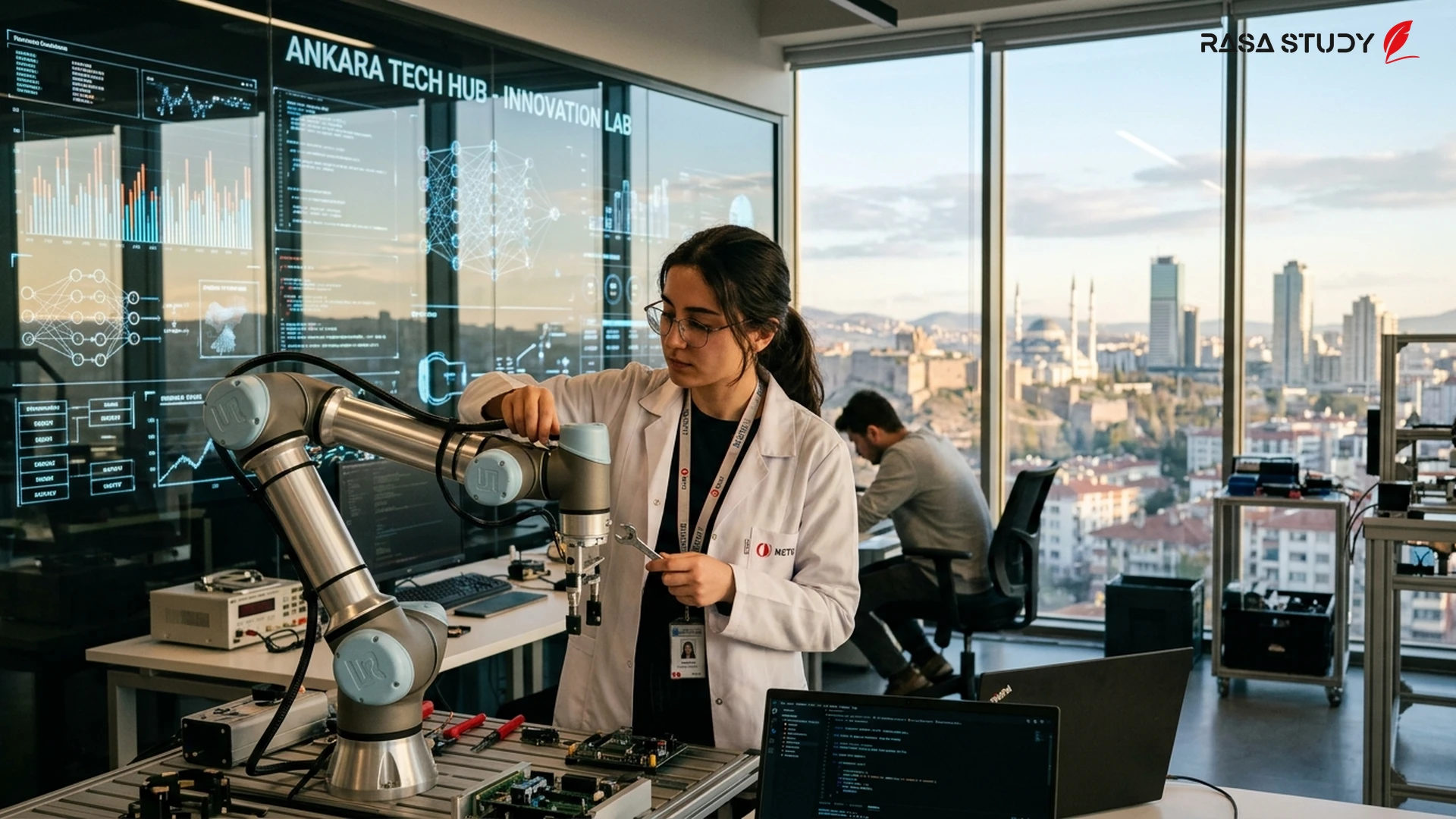
The Council of Higher Education of Turkey (YÖK) formulated a new roadmap in its recent meeting to adapt academic disciplines to emerging jobs and the changing needs of the global labor market in 2026.
A Major Step Toward Modernizing Higher Education in Turkey
In the recent meeting of the Council of Higher Education of Turkey (YÖK), attended by senior education officials and technology experts, the topic of "Future Jobs" was set as the top priority. This meeting, held on June 17, 2026, emphasized the necessity of revising traditional curricula and replacing them with digital skills [1]. Erol Özvar, the President of YÖK, noted during the session that universities should no longer settle for providing theoretical knowledge but must transform into centers for training specialists for the digital economy.
Focus on Artificial Intelligence and Data Mining
One of the main pillars of this meeting was the expansion of departments related to Artificial Intelligence (AI) and Big Data analysis. According to published reports, YÖK intends to increase the number of disciplines related to emerging technologies in both public and private universities [2]. This decision is in response to the growing labor market demand for specialists who can manage and lead complex artificial intelligence systems. The goal is for Turkish graduates to be competitive not only nationally but also internationally.
Green Jobs and Sustainability as Priorities
In addition to the digital sphere, "Green Jobs" and specializations related to renewable energy occupied a significant part of the discussions. Given Turkey's international commitments regarding climate change, YÖK emphasized the necessity of training specialists in the fields of circular economy, waste management, and clean energy [3]. The council believes that integrating sustainability concepts into all engineering and management disciplines will be the key to economic success in the coming decades.
Collaboration with Industry and the Private Sector
In the final part of the meeting, the importance of close cooperation between universities and the private sector was emphasized. It was decided that internship programs and joint projects with leading technology companies would be strengthened to bridge the gap between academic education and the actual needs of the industry [1]. This new approach allows students to become familiar with real workplace challenges and acquire necessary soft skills before graduation. These measures are part of Turkey's 2030 vision to become one of the main hubs for technological talent in the region.
YÖK officials reviewing new educational strategies for 2026
linkSources
- YÖK Başkanı Özvar'dan 'geleceğin meslekleri' açıklaması — TRT Haber (2026-06-16)
- Yükseköğretimde Dijital Dönüşüm و Yapay Zeka Toplantısı — Anadolu Ajansı (2026-06-17)
- YÖK'ün yeni vizyonu: Geleceğin yetkinlikleri — Hürriyet (2026-06-15)