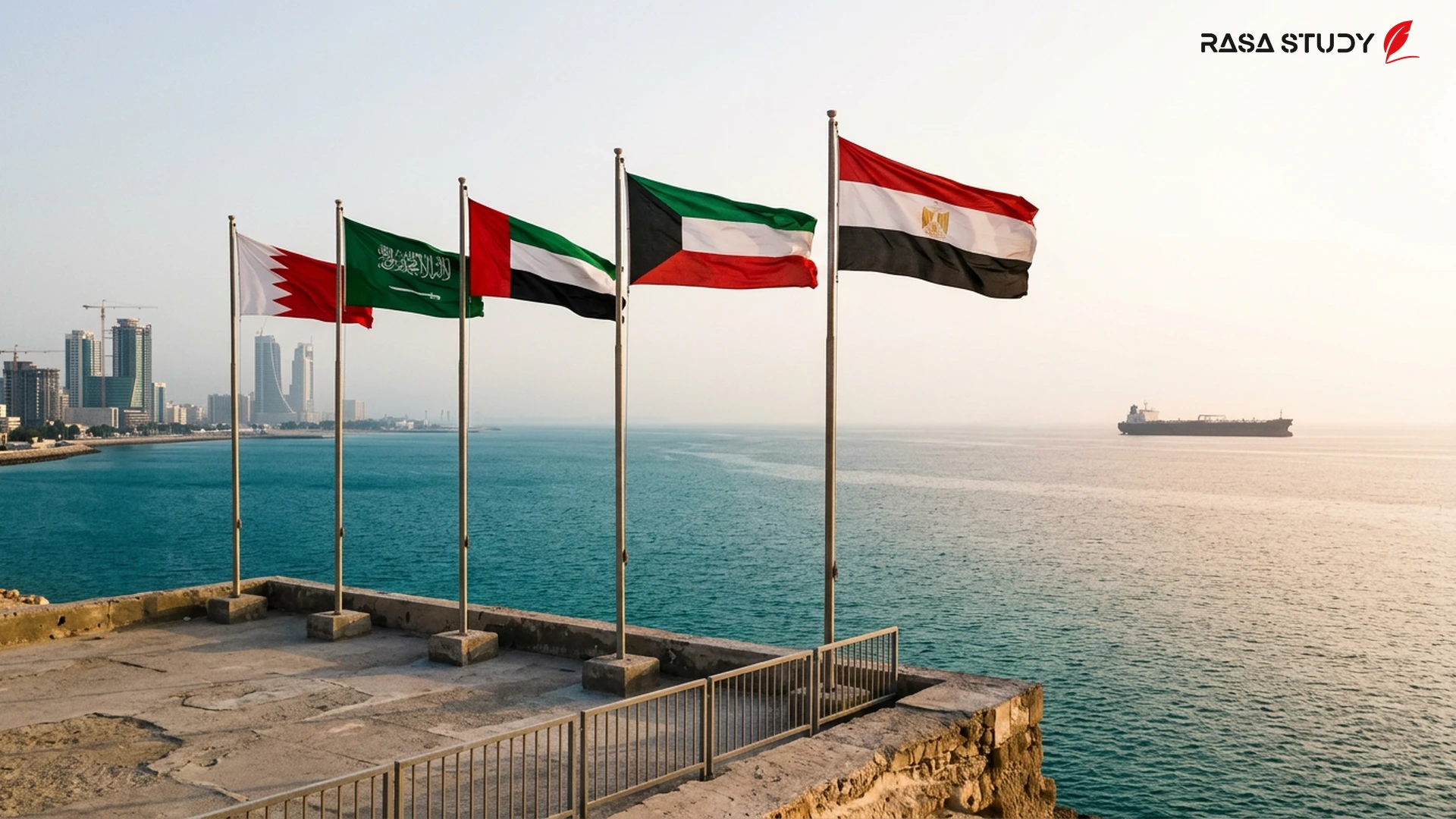
On June 27, 2026, Saudi Arabia, the United Arab Emirates, Qatar, Kuwait, and Jordan issued a joint statement officially declaring their strict conditions for supporting the new agreement between Iran and the United States, while condemning drone attacks on Bahrain.
On June 27, 2026, the Persian Gulf region witnessed a significant diplomatic shift. Saudi Arabia, the United Arab Emirates, Qatar, Kuwait, and Jordan issued an urgent joint statement declaring their official position on recent military and diplomatic developments related to Iran [1]. This statement, issued following a meeting of foreign ministers in Manama, represents a united front against new security challenges while offering a conditional welcome to the de-escalation between Washington and Tehran [3].
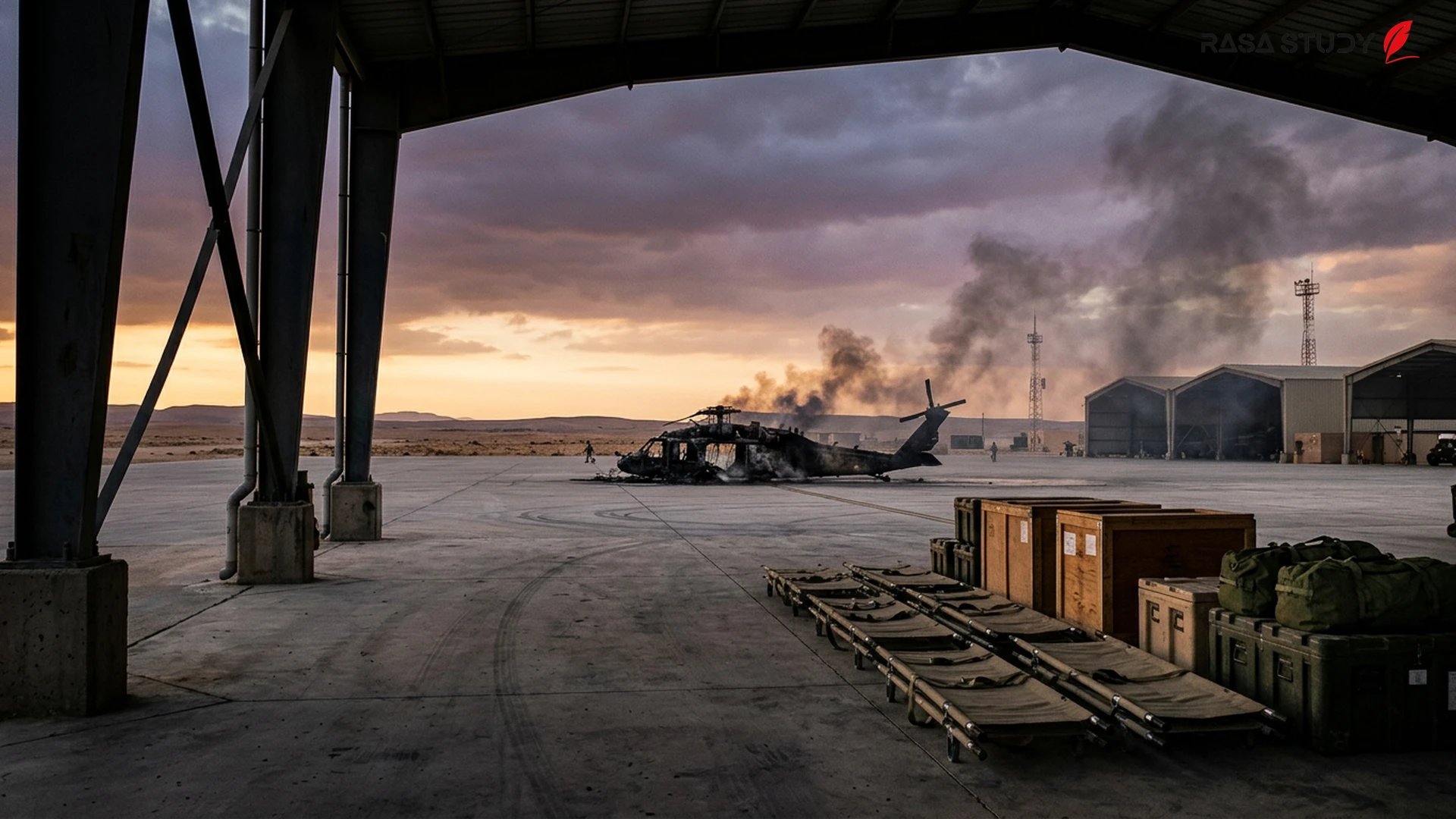
Decisive Condemnation of Attacks on Bahraini Sovereignty A central pillar of this statement is the strong condemnation of recent drone attacks on Bahraini territory. According to published reports, these attacks, which targeted Bahrain's national sovereignty, met with a sharp response from Riyadh and Abu Dhabi [2]. The signatory countries emphasized that any threat to the security of one Gulf Cooperation Council member is considered a threat to the entire region and a clear violation of international law and the United Nations Charter [1]. These nations declared their full solidarity with Manama to maintain internal stability and security.
The Islamabad Agreement and Qatar's Mediation Role The statement also refers to the "Islamabad Memorandum of Understanding" signed on June 17, 2026, between Donald Trump and Masoud Pezeshkian [4]. The Arab foreign ministers, while appreciating the mediatory roles of Qatar and Pakistan in achieving this 60-day ceasefire, emphasized the need to maintain unity on the path toward final negotiations [3]. However, they warned that any lasting agreement must address the full spectrum of threats, including Iran's missile and drone programs and its support for regional proxy groups [4].
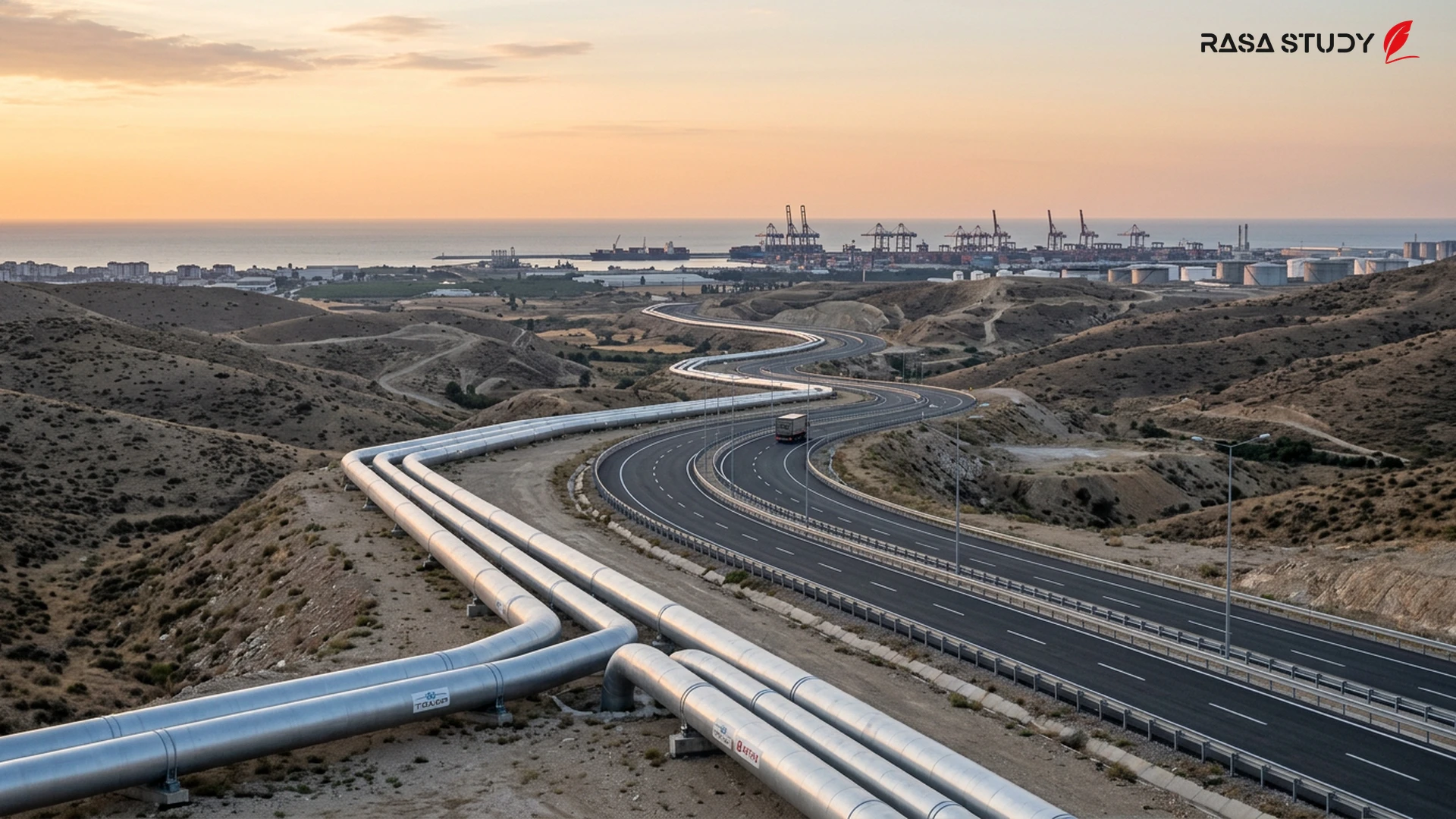
Reopening the Strait of Hormuz and Economic Conditions The issue of maritime security in the Strait of Hormuz was another key clause of this official declaration. Regional countries strongly rejected any attempt to exercise control or impose transit fees in this international waterway [3]. The statement clarified that the full and unconditional reopening of the Strait of Hormuz is vital for global trade. Furthermore, any investment and trade with Iran were stated to be conditional on Tehran's full compliance with the memorandum's provisions and the cessation of destabilizing behaviors in the region [1][4].
Outlook for Peace and Regional Reconstruction U.S. Secretary of State Marco Rubio, at the Manama meeting, emphasized Washington's enduring commitment to the security of the Gulf Cooperation Council member states [3]. Meanwhile, analysts believe the current agreement, despite its strengths, still suffers from weaknesses in addressing the missile concerns of Arab nations [4]. Nevertheless, the opening of financial channels by the UAE and the potential release of frozen Iranian assets have sent positive signals to global markets, provided that Tehran takes practical steps to build trust [5]. This official announcement showed that Persian Gulf countries, despite their desire for peace, continue to monitor Tehran's movements with great caution and precision.
Foreign ministers of Saudi Arabia, UAE, and Qatar issued a joint statement at the Manama meeting, June 2026.
linkSources
- Suudi Arabistan, BAE, Katar ve 2 ülkeden son dakika İran duyurusu! Resmen ilan ettiler — Haber 7 (2026-06-27)
- Suudi Arabistan, BAE, Katar ve 2 ülkeden İran duyurusu! — Internet Haber (2026-06-27)
- Ministerial Meeting between the United States and the Gulf Cooperation Council — GCC Secretariat (2026-06-25)
- The US–Iran MoU: A fragile ceasefire in the Gulf — IISS (2026-06-26)
- Foreign Ministers of UAE, Iran Discuss Regional Developments — Qatar News Agency (2026-06-26)