As reports indicate that Iran and the United States are nearing a historic agreement, Hezbollah has announced that this understanding will have deep and direct impacts on Lebanon's political and security situation.
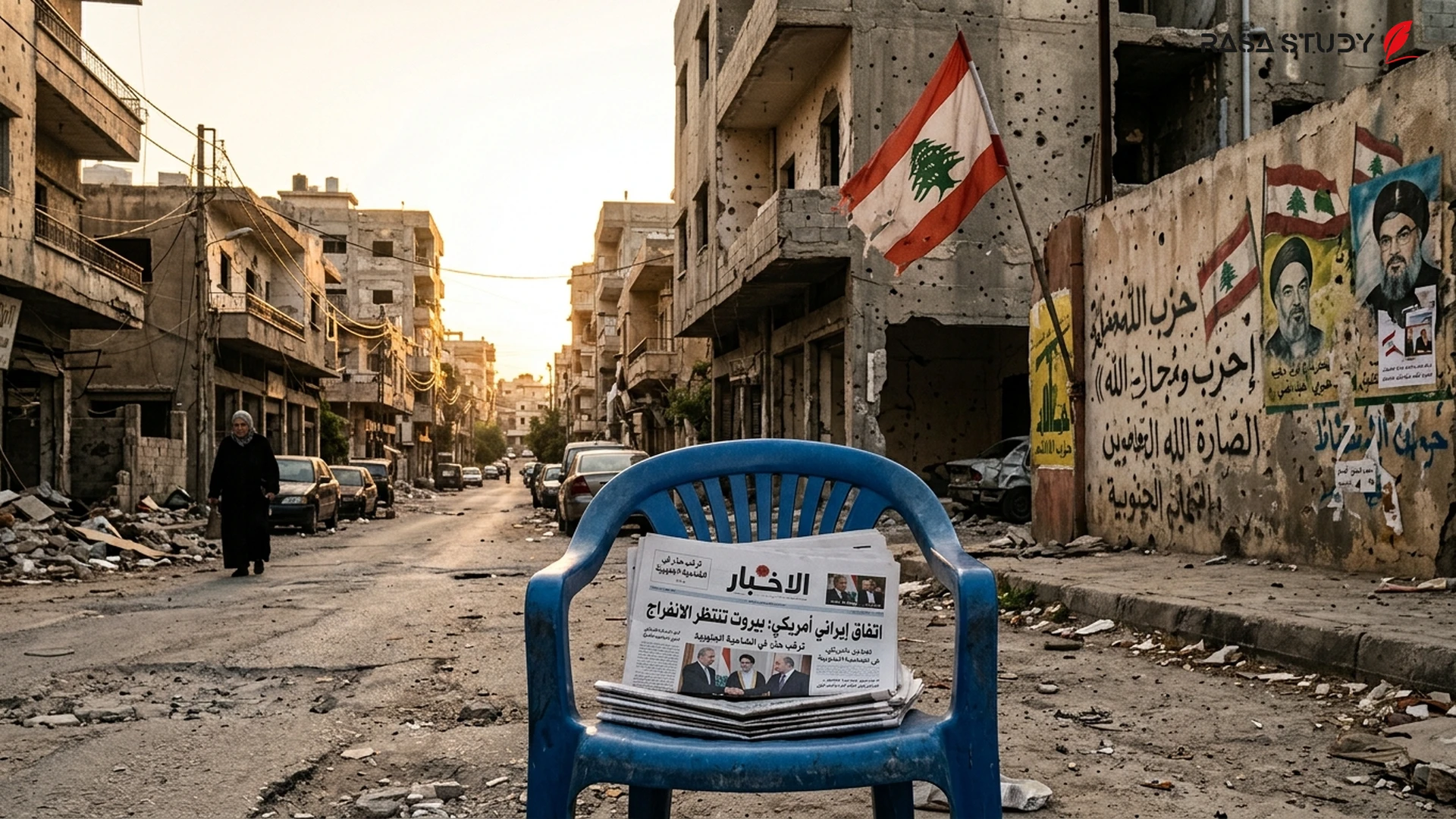
Direct Consequences of the Agreement for Beirut Hassan Fadlallah, a member of the "Loyalty to the Resistance" bloc in the Lebanese Parliament, announced on Friday, June 12, 2026, that any potential agreement between the Islamic Republic of Iran and the United States of America will have direct impacts on the country, regardless of the official Lebanese government's approval or opposition [1]. During a memorial ceremony in the "Jnah" area of southern Beirut, he emphasized that Washington will not wait for Lebanese officials in pursuing its interests, and that some elements of the current government are merely being used as tools to advance American policies [2].
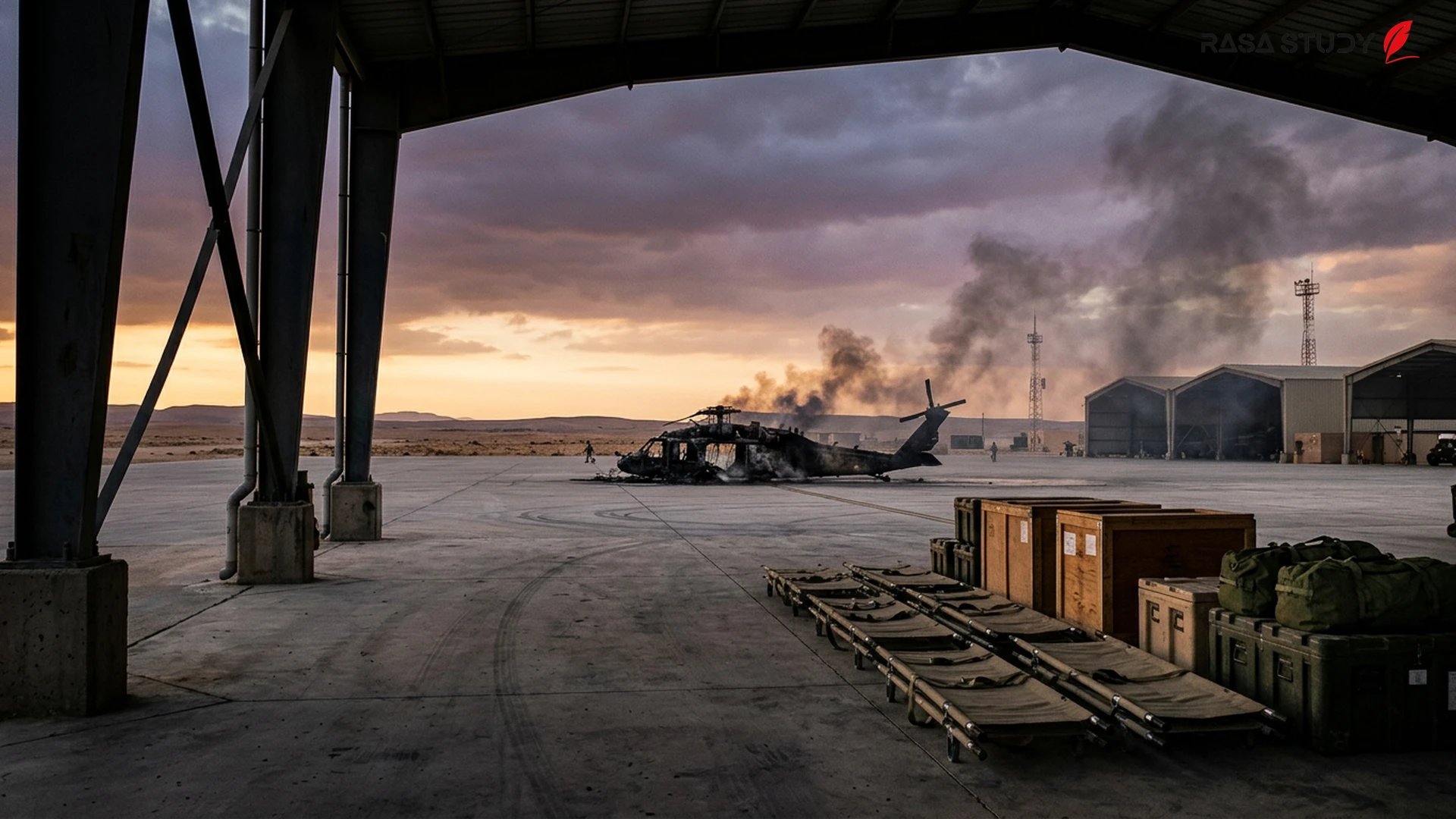
These statements come as military tensions between Israel and Hezbollah have reached their peak since March 2026, leading to extensive damage in southern Lebanon. Fadlallah noted that the primary priority of the resistance remains confronting Israeli aggression, but diplomatic paths are also being pursued in parallel with the battlefield [5].
Full Trust in Tehran's Diplomacy In its statement, Hezbollah emphasized "full trust" in the Iranian leadership during the ongoing negotiations. According to Fadlallah, Tehran insists that the "Lebanon file" be an integral part of any major agreement with Washington [4]. The Hezbollah official explained that Iran's insistence does not mean an attempt to replace the Lebanese government, but rather an invitation to Beirut to exploit the new political atmosphere created after the agreement to resolve its internal crises [1].
Media reports indicate that Iran has set the end of conflicts in Lebanon and Gaza as one of the main preconditions for signing a memorandum of understanding with the Trump administration [3]. This comes as Joseph Aoun, the President of Lebanon, had previously warned about the difference between "help" and "interference" in Lebanon's internal affairs [2].
Islamabad Memorandum of Understanding and Peace Horizons On the same day, Shehbaz Sharif, the Prime Minister of Pakistan, announced that Iran and the United States have reached an agreement on the final text of a deal known as the "Islamabad Memorandum of Understanding" [3]. This agreement, achieved through Pakistani mediation, includes a nationwide ceasefire on all fronts, including the borders of Lebanon and Israel. Abbas Araghchi, Iran's Foreign Minister, also confirmed that reaching a lasting understanding "has never been this close" [6].
According to published drafts, this agreement could include a 60-day ceasefire period in Lebanon to pave the way for the withdrawal of Israeli forces from occupied areas and the return of displaced persons [9]. However, Donald Trump emphasized on social media that final details are still being reviewed and that the media should refrain from early speculation [7].
Challenges Ahead and Israel's Position Despite diplomatic optimism, Israel continues its attacks in southern Lebanon. Benjamin Netanyahu, the Prime Minister of Israel, expressed concern in frequent calls with Trump that any agreement should not hinder Israel's freedom of action in confronting Hezbollah's threats [8]. On the other hand, Hezbollah has announced that it will maintain its combat readiness until the full withdrawal of Israeli forces [4].
The current crisis, which began in early 2026, has so far left more than 3,600 dead in Lebanon and caused billions of dollars in damage to the country's infrastructure [3]. Eyes are now fixed on the coming days to see whether Tehran-Washington diplomacy can end this war of attrition.
Hassan Fadlallah, Hezbollah representative, emphasized the linking of Lebanon's fate to regional agreements.
linkSources
- Possible Iran-US Deal to Impact Lebanon: MP — Tasnim News Agency (2026-06-12)
- Iran-US deal 'will have repercussions on Lebanon,' Fadlallah says — L'Orient Today (2026-06-12)
- US and Iran have agreed to wording of a deal to end their war, Pakistan's prime minister says — The Washington Post (2026-06-12)
- Hezbollah confident any US-Iran deal will include Lebanon, MP says — The Times of Israel (2026-06-12)