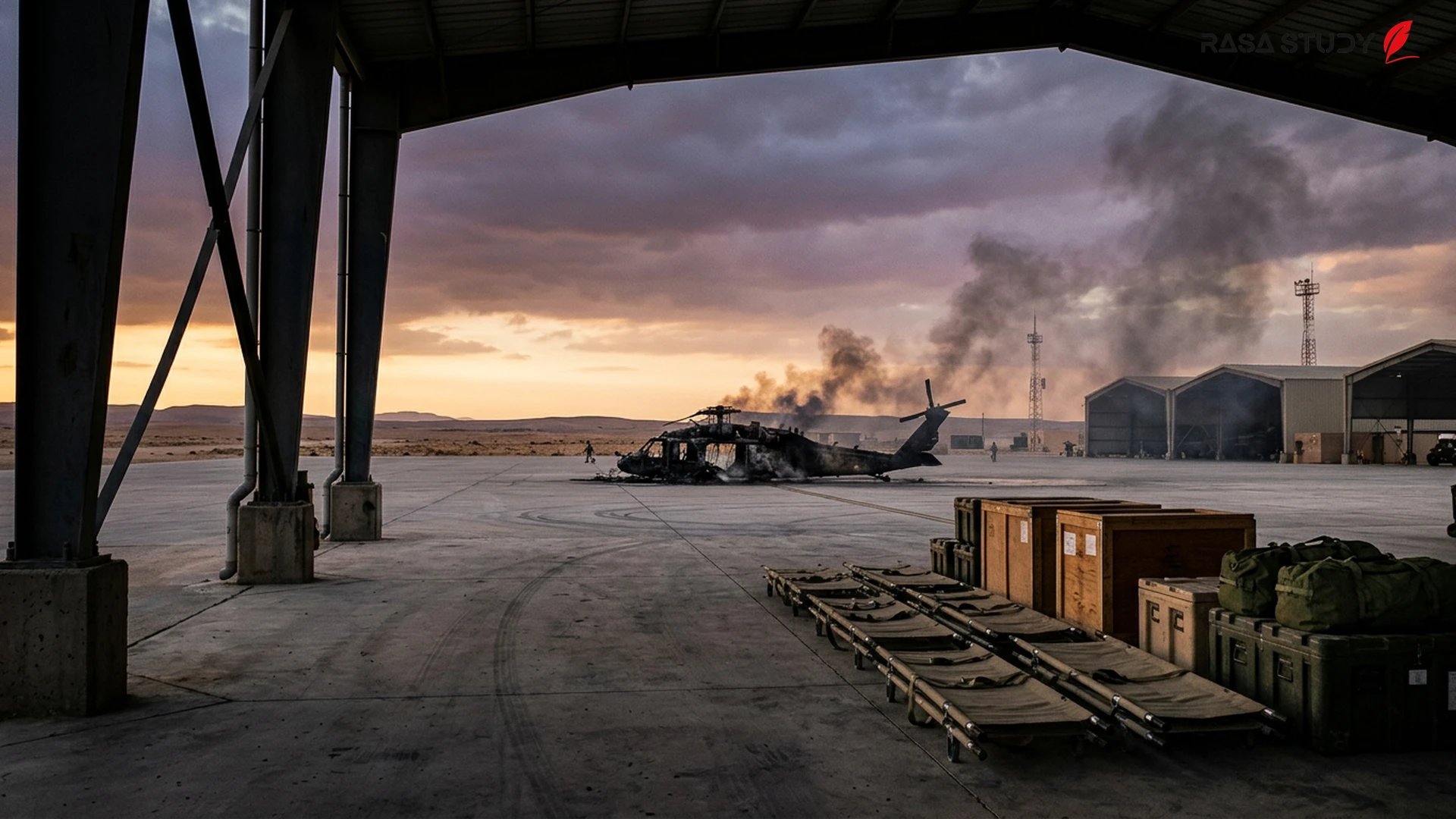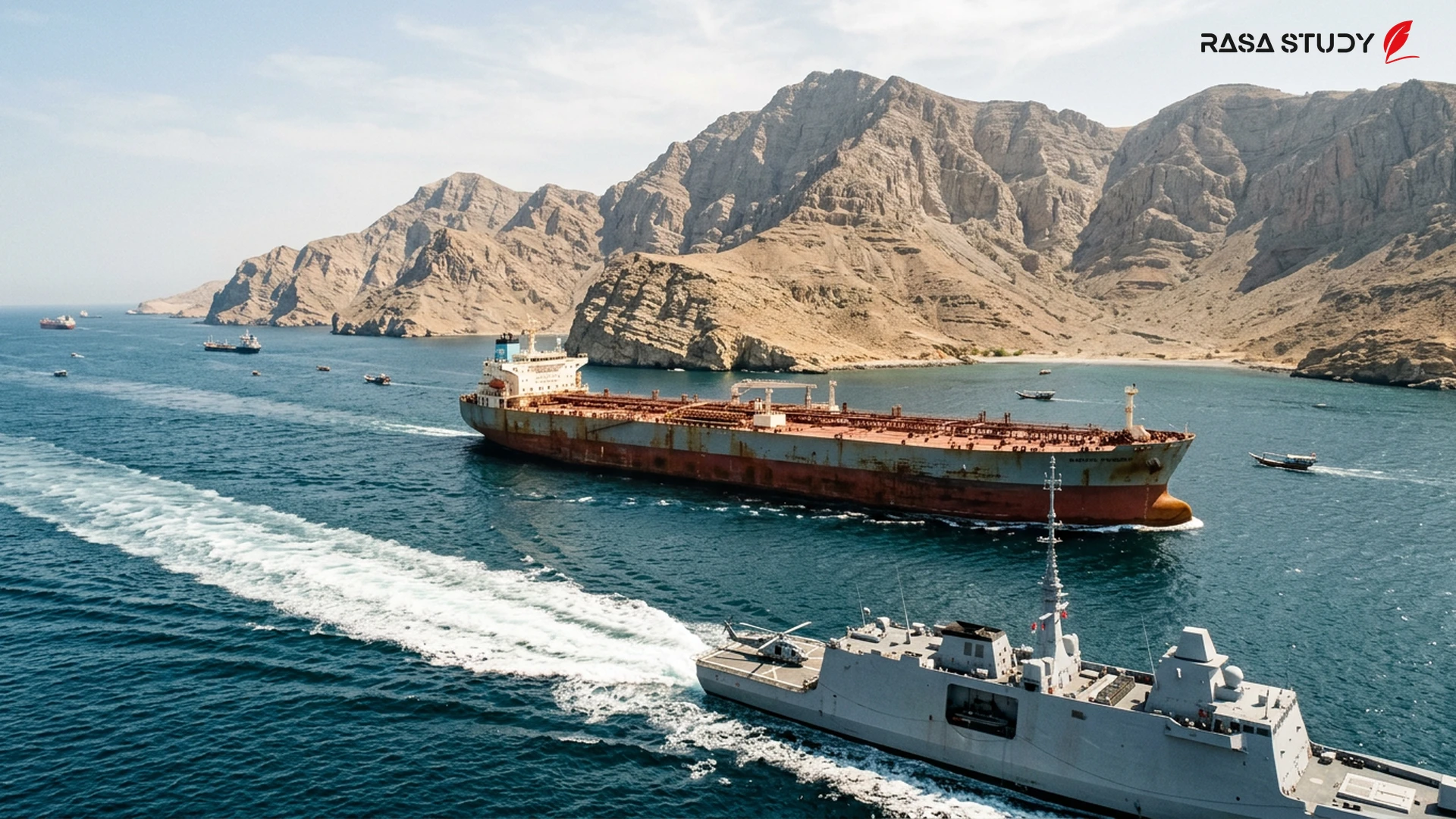
Global attention has once again turned to the strategic Strait of Hormuz following reports of military and security warnings. These developments, confirmed by regional sources, have doubled concerns about the stability of energy transport.
Roots of the New Warning in the Strait of Hormuz On July 15, 2026, reports from Turkish news sources including "Alanya Turk" indicated the issuance of a serious warning in the Strait of Hormuz region [1]. This warning, issued amidst diplomatic tensions, advises commercial ships and tankers to maximize security measures while transiting the area. Although the exact military details of this warning have not yet been fully disclosed, analysts believe the move is a response to recent activities by extra-regional forces in the Persian Gulf.
Reaction of Global Markets and Oil Prices Immediately following the news of the "Hormuz Warning," global energy markets reacted. Brent crude prices saw a noticeable increase as traders worry about supply chain disruptions [2]. As the world's most important maritime chokepoint, the Strait of Hormuz sees the passage of more than 20 percent of global crude oil consumption daily. Any threat or warning in this region can quickly increase maritime insurance costs and cause severe fluctuations in the global economy.
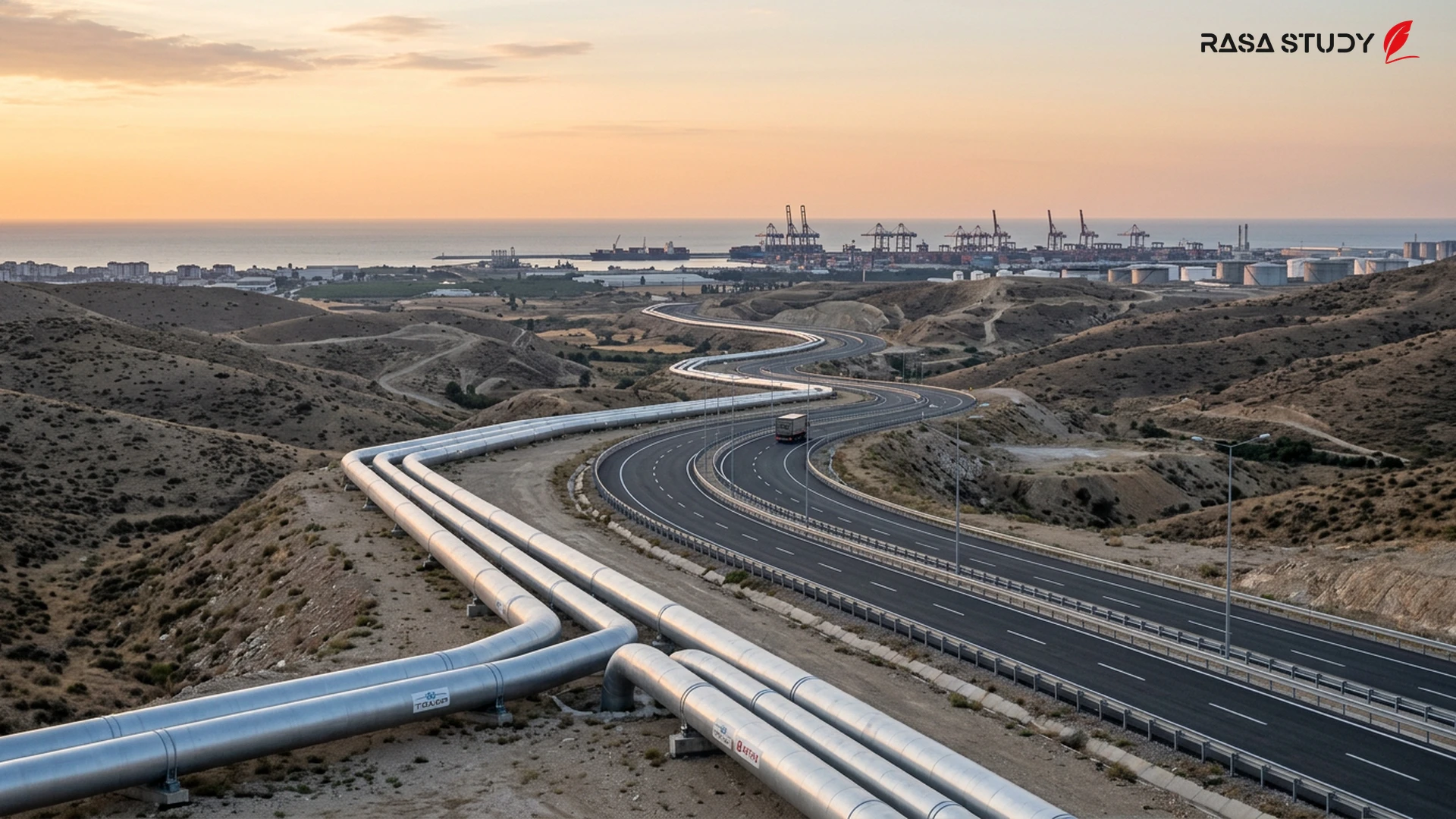
Strategic Importance in 2026 Geopolitical Equations In 2026, given the changes in the global energy map, the importance of the Strait of Hormuz has not diminished; rather, it has increased due to the urgent need of emerging markets for Middle Eastern oil [3]. Recent warnings demonstrate the fragility of security in this region. Regional military officials have announced that they have intensified monitoring of traffic to prevent any unwanted incidents. This situation has led many shipping companies to explore alternative routes, although no route can fully replace the transit capacity of this strait.
International Stance and Maritime Security The international community is following current developments with concern. Maritime security monitoring organizations have asked all vessels to maintain radio communications and report any suspicious activity [3]. Meanwhile, some regional countries have called for restraint and a return to the negotiating table to prevent these security warnings from escalating into a widespread military conflict. The situation in the Strait of Hormuz remains fluid, and more official statements are expected in the coming hours.
The Strait of Hormuz once again became the center of global security and economic attention on July 15, 2026.
linkSources
- Hürmüz Boğazı'nda Gerginlik: Yeni Uyarı Geldi — Alanya Türk (2026-07-14)
- Oil markets brace for volatility amid Hormuz maritime alerts — Reuters (2026-07-15)
- Middle East Maritime Security Update: July 2026 — Al Jazeera (2026-07-15)