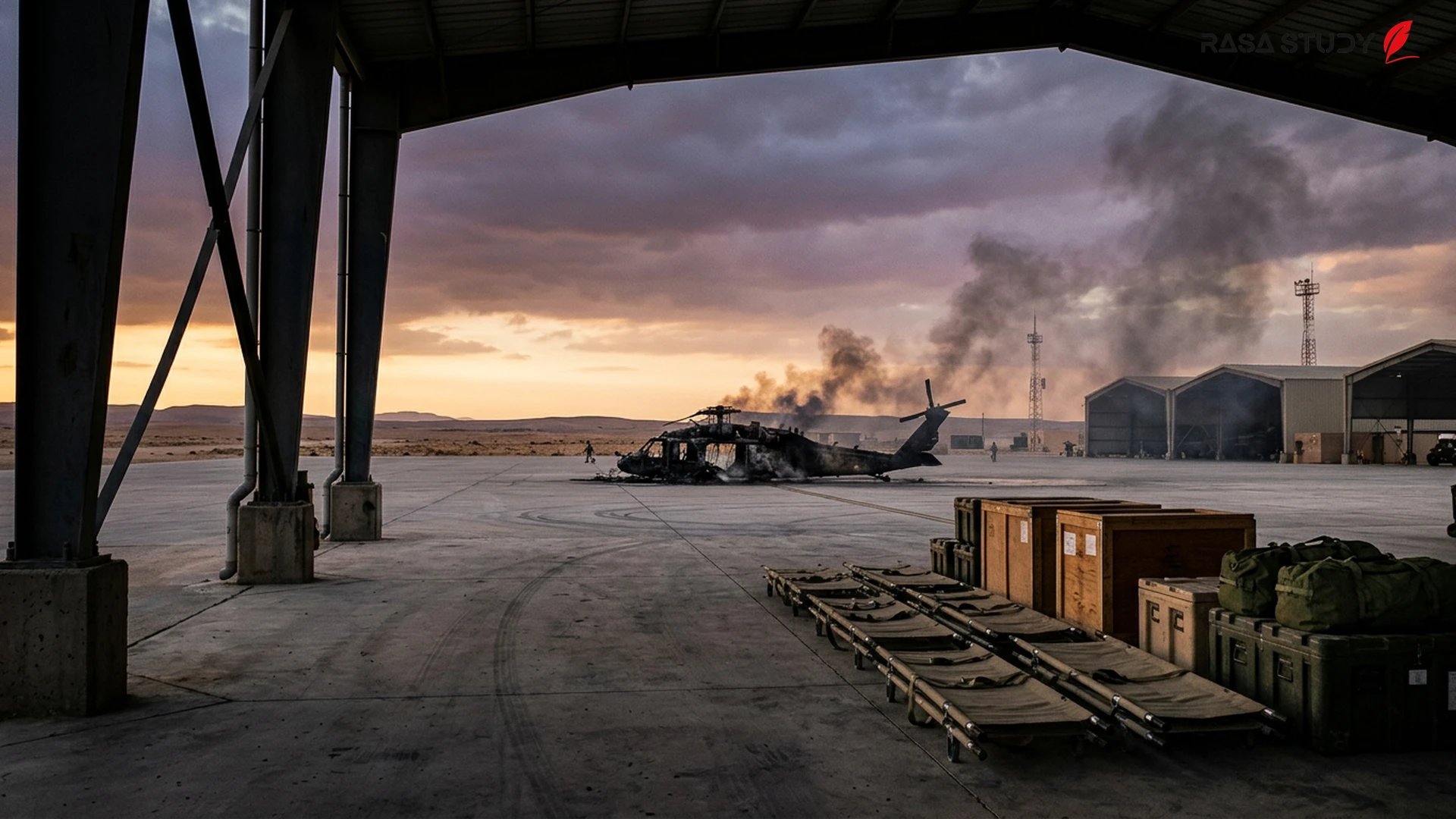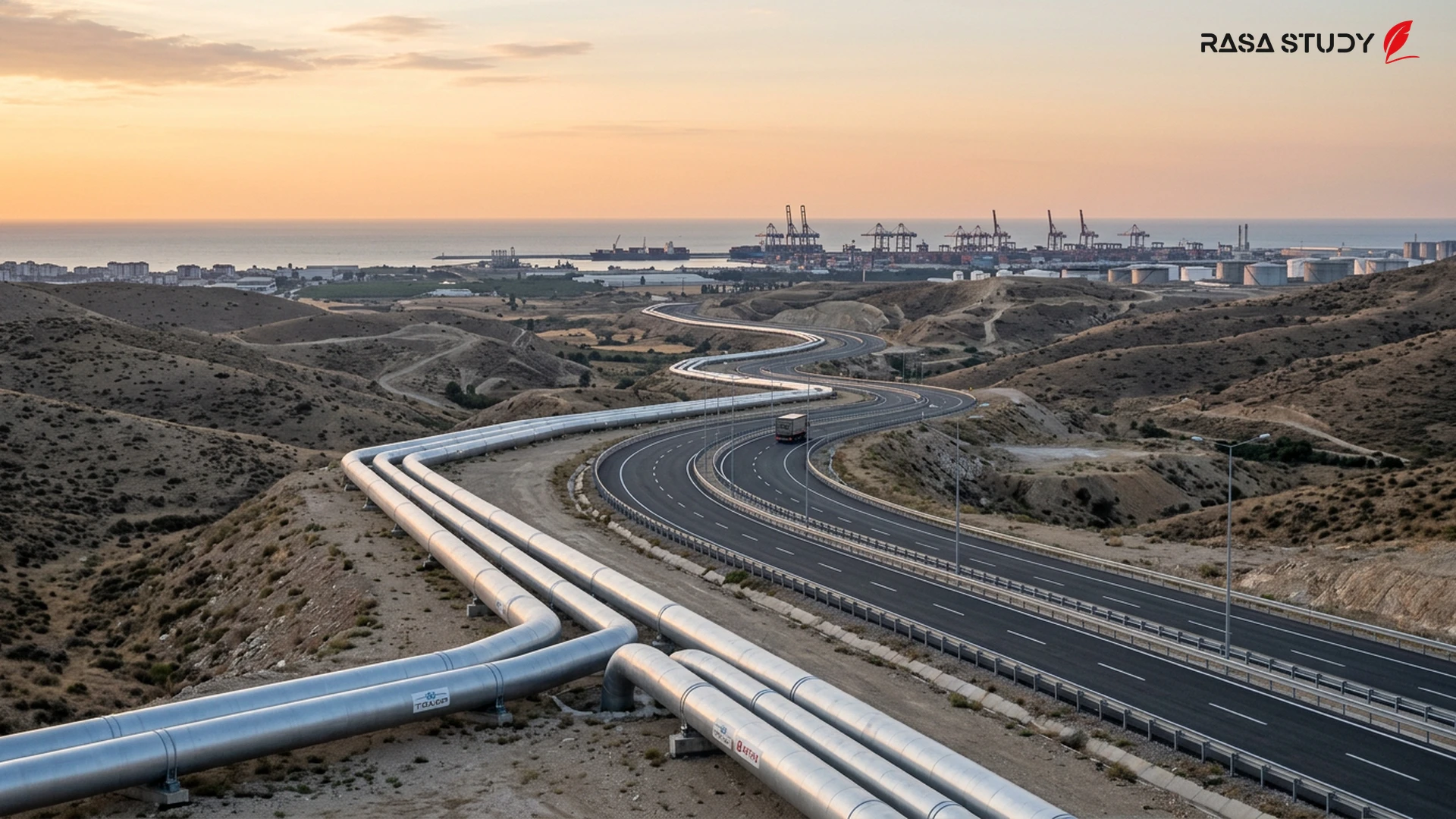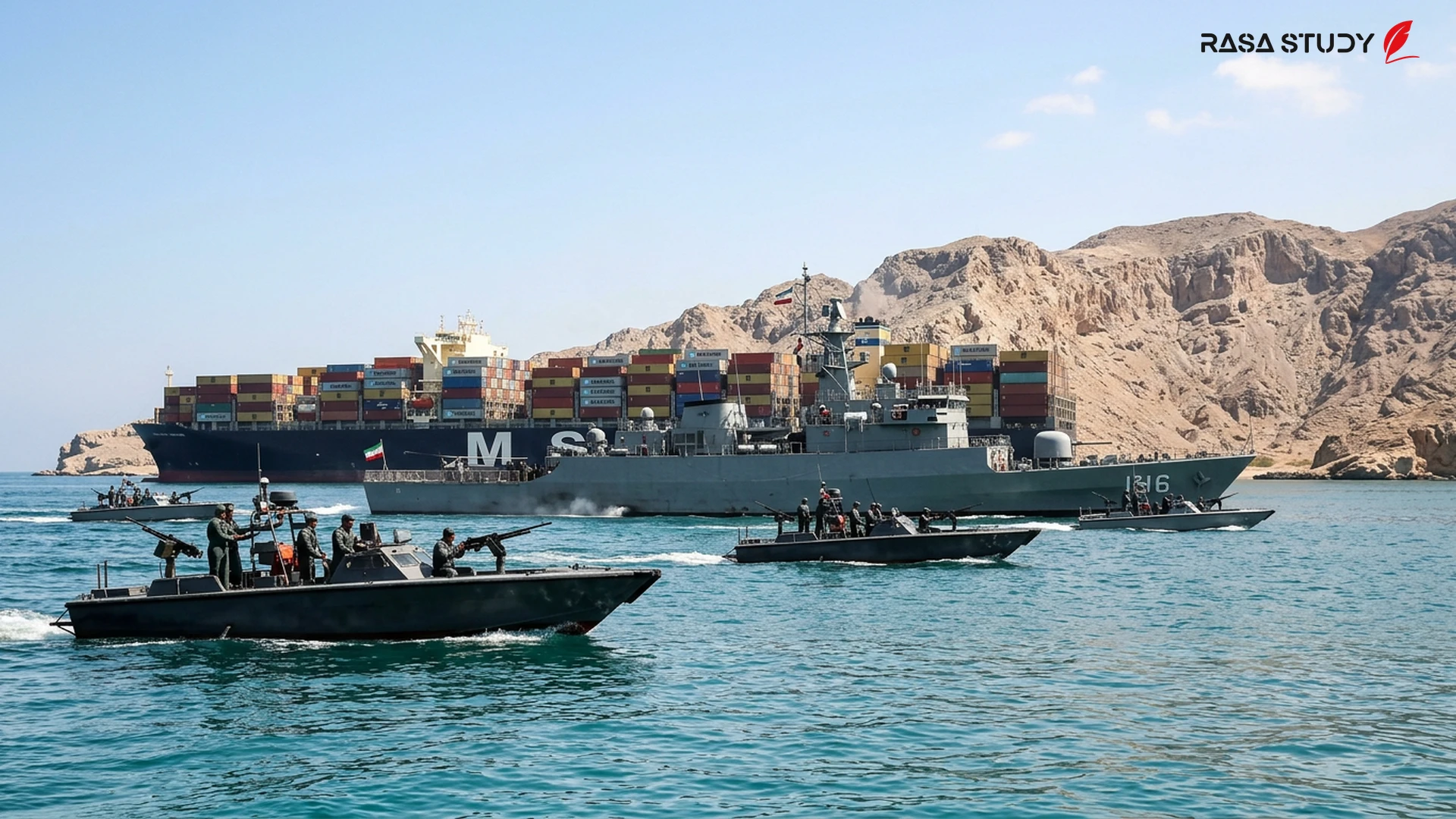
Following the escalation of military tensions in the Persian Gulf, the Islamic Revolutionary Guard Corps (IRGC) Navy issued an official statement declaring the Strait of Hormuz closed until the complete cessation of United States interventions in the region, establishing new conditions for vessel transit. [1][2]
Closure of the Strait of Hormuz and Tehran's Primary Condition The Islamic Revolutionary Guard Corps Navy officially announced on July 12, 2026, that the Strait of Hormuz, one of the world's most vital energy waterways, will remain closed until further notice. According to the issued statement, the reason for this action is "illegal foreign interventions" and the determination of arbitrary transit routes by extra-regional forces. Iran has declared the primary condition for reopening this route to be the complete end of the United States military presence and intervention in the Persian Gulf region [1][4].
This decision was made after several commercial vessels, incited by foreign forces, deviated from Iran-approved routes and ignored security warnings. Iranian military officials emphasized that the security of this waterway can only be ensured through the cooperation of regional countries, and any foreign presence is a source of insecurity [2].
The GFS Galaxy Incident and US Military Response The primary spark for the total closure occurred when a Cyprus-flagged container ship named "GFS Galaxy," while transiting through unauthorized routes, was targeted by warning shots from Iranian forces. According to news sources, the ship suffered an engine room fire after turning off its tracking systems and ignoring orders from the "Persian Gulf Maritime Administration" [2][5].
In response to this incident, the United States Central Command (CENTCOM) claimed that the Strait of Hormuz remains an international waterway and that US forces are present in the region to guarantee freedom of navigation. Reports indicate that in response to Iran's action, US fighter jets attacked more than 140 military targets within Iranian territory to reduce Tehran's capability to block the strait [4][5].
Parliament's Four-Point Plan for Strait of Hormuz Management In addition to field operations, the Iranian Parliament (Majlis) is finalizing a comprehensive plan for the legal management of the Strait of Hormuz. This plan, which includes four strict conditions for vessel transit, consists of: 1. Total Prohibition: The passage of any vessel or cargo associated with Israel is absolutely prohibited. 2. Permits for Hostile Countries: Vessels belonging to "hostile" countries will only be allowed to pass with direct permission from the Supreme National Security Council. 3. Payment of Compensation: Countries that have caused damage to Iran do not have the right to use the strait until all debts and compensations are fully settled. 4. Tax in Rial: All passing vessels are required to pay tolls and taxes in Iran's national currency (Rial) [3][6].
Global Consequences and the Energy Crisis The closure of the Strait of Hormuz, through which one-fifth of the world's oil and natural gas passes, has hit global energy markets with a serious shock. Despite CENTCOM's claims that southern routes from the direction of Oman remain open, shipping companies have suspended their activities in the region due to the high risk of military confrontation [4][7]. Analysts believe that the continuation of this situation could drive oil prices to unprecedented records unless a diplomatic agreement is reached to de-escalate tensions.
The Strait of Hormuz was closed in July 2026 due to military tensions between Iran and the United States.
linkSources
- IRGC Navy announces Strait of Hormuz is closed until further notice — Mehr News Agency (2026-07-12)
- Iran closes Strait of Hormuz again over violations of transit rules — BusinessDay (2026-07-12)
- Iran sets new conditions for passage through the Strait of Hormuz — Rudaw (2026-04-19)
- U.S. launches fresh strikes on Iran as Tehran says it has closed Strait of Hormuz — NPR / WUSF (2026-07-12)
- US insists Strait of Hormuz is open to all after Iran claimed to close it — The Times of Israel (2026-07-12)