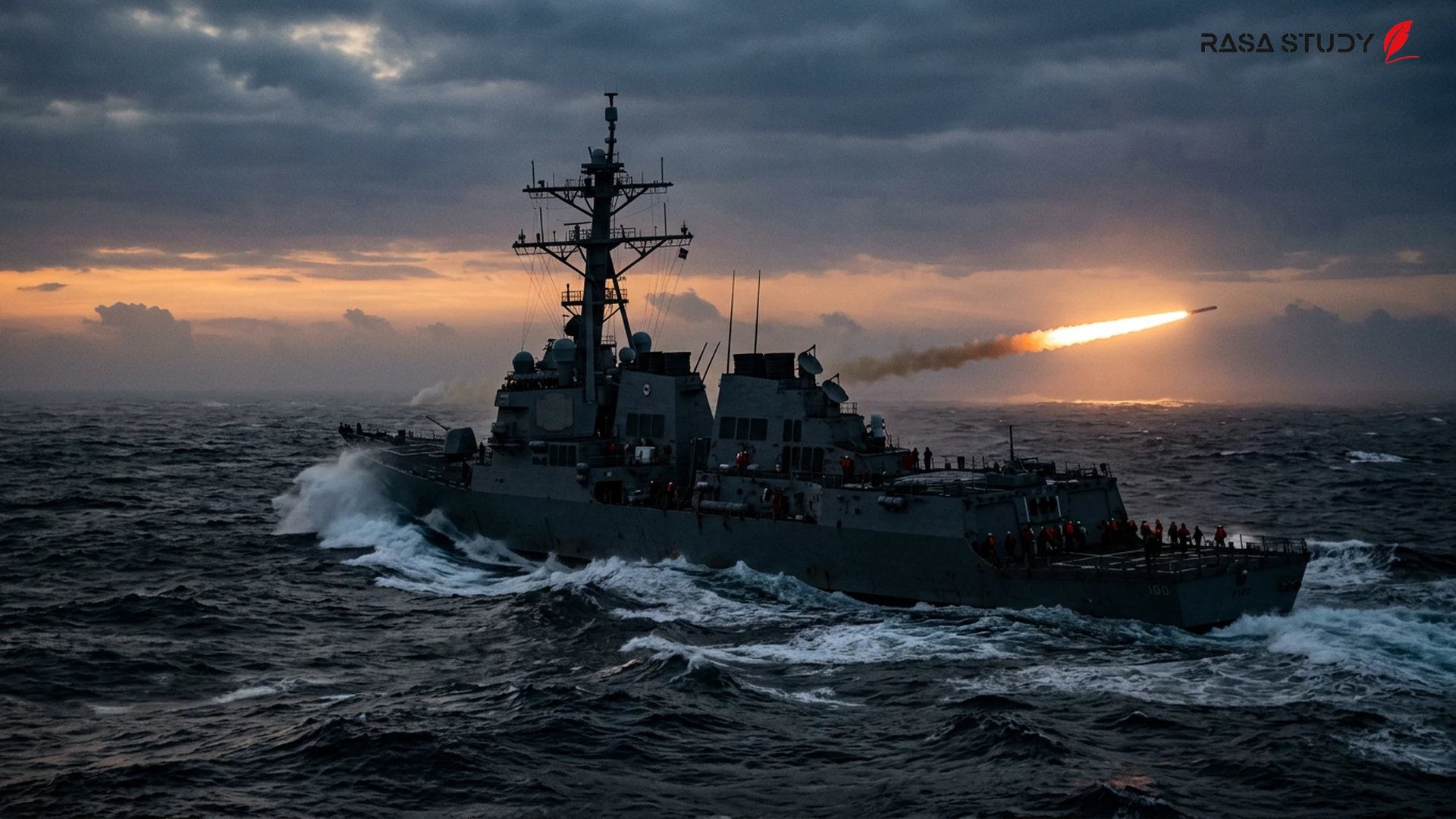
In a highly sensitive military development on July 18, 2026, the Iranian Navy announced that it targeted a hostile US warship in the northern Indian Ocean with a shore-to-sea cruise missile, forcing its retreat.
Direct Confrontation in the Northern Indian Ocean In the late hours of July 17 and the early morning of July 18, 2026, the northern Indian Ocean region witnessed one of the most serious direct military confrontations between Iran and the United States. According to an official statement from the Public Relations of the Army of the Islamic Republic of Iran, during the thirteenth phase of "Operation Saeqeh," the Navy's shore-to-sea missile system successfully identified and targeted a hostile US naval vessel [1]. This operation, named in memory of the Dena destroyer crew, took place as regional tensions reached their highest levels in decades.
Media reports, including "Janli Gaste," indicate that after the cruise missile was fired, the US ship was forced to change course and exit the missile range of Iranian forces to prevent further damage [2]. Iranian state media released footage of the missile launch, claiming the action caused "fear and panic" among US forces [3].
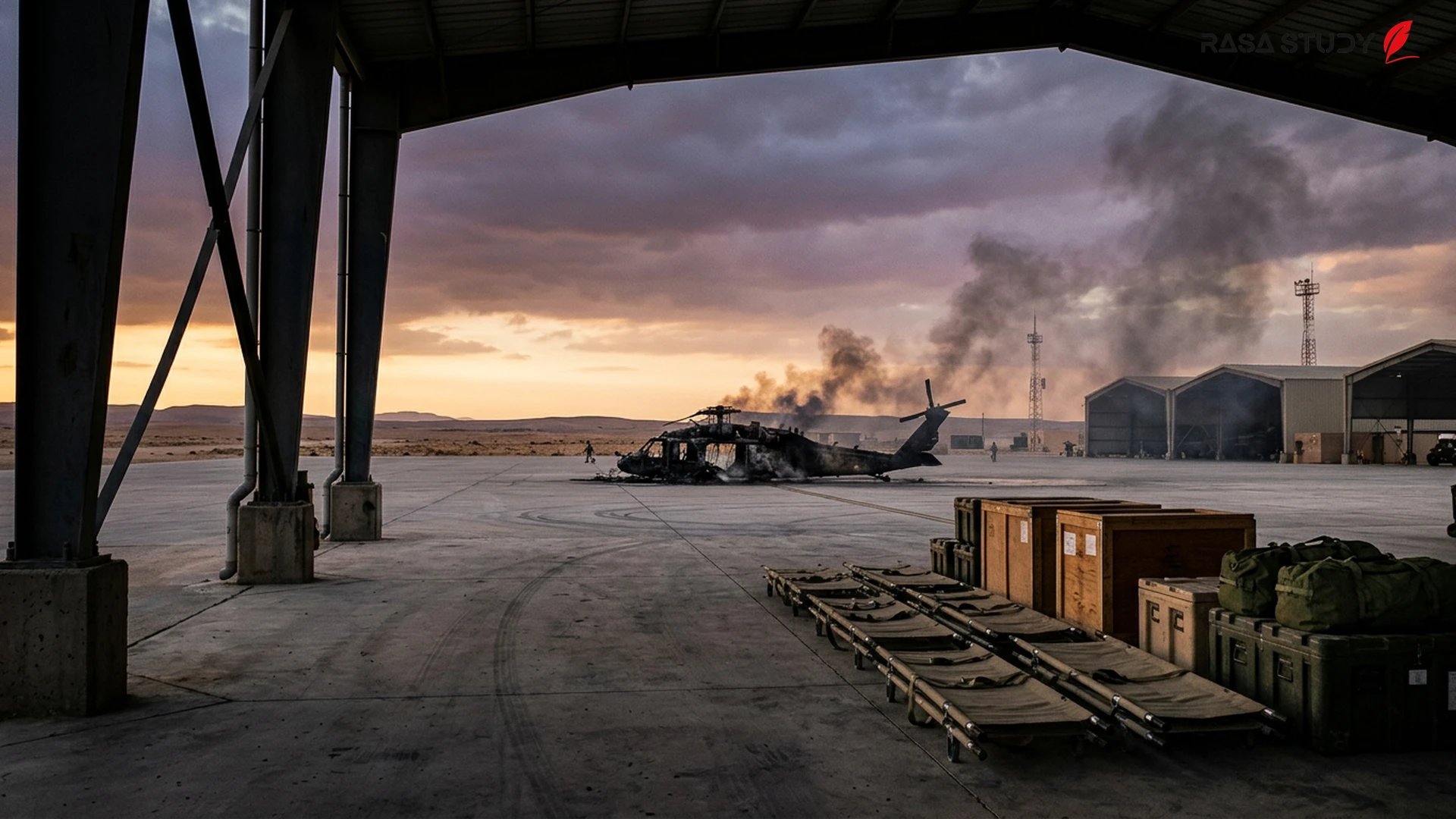
Roots of the Crisis; Seven Nights of CENTCOM Attacks This Iranian missile attack was in response to a new wave of United States airstrikes. The US Central Command (CENTCOM), under the Trump administration, conducted extensive strikes against Iranian military and logistical infrastructure for the seventh consecutive night [3]. These attacks included targeting air defense positions, logistical facilities, and naval capabilities on Qeshm Island and near Bandar Abbas [5].
Reports show that the United States used fighter jets, drones, and precision-guided missiles in this operation to weaken Iran's military power. In response, Iran has warned that if the attacks continue, it will enter a phase of "all-out offensive operations" and will recognize no political borders in its strikes [5].
Expansion of Conflicts to Regional Allies Simultaneous with the conflict in the Indian Ocean, numerous reports of Iranian retaliatory attacks on US bases in neighboring countries have been published. The Islamic Revolutionary Guard Corps announced that it targeted the "Al-Udeid" airbase in Qatar and the US Artificial Intelligence center in Bahrain with ballistic missiles and drones [4]. Additionally, reports of explosions in the cities of Jask, Ahvaz, and Yazd following US missile strikes have been broadcast, leading to water and power outages in some rural areas [3].
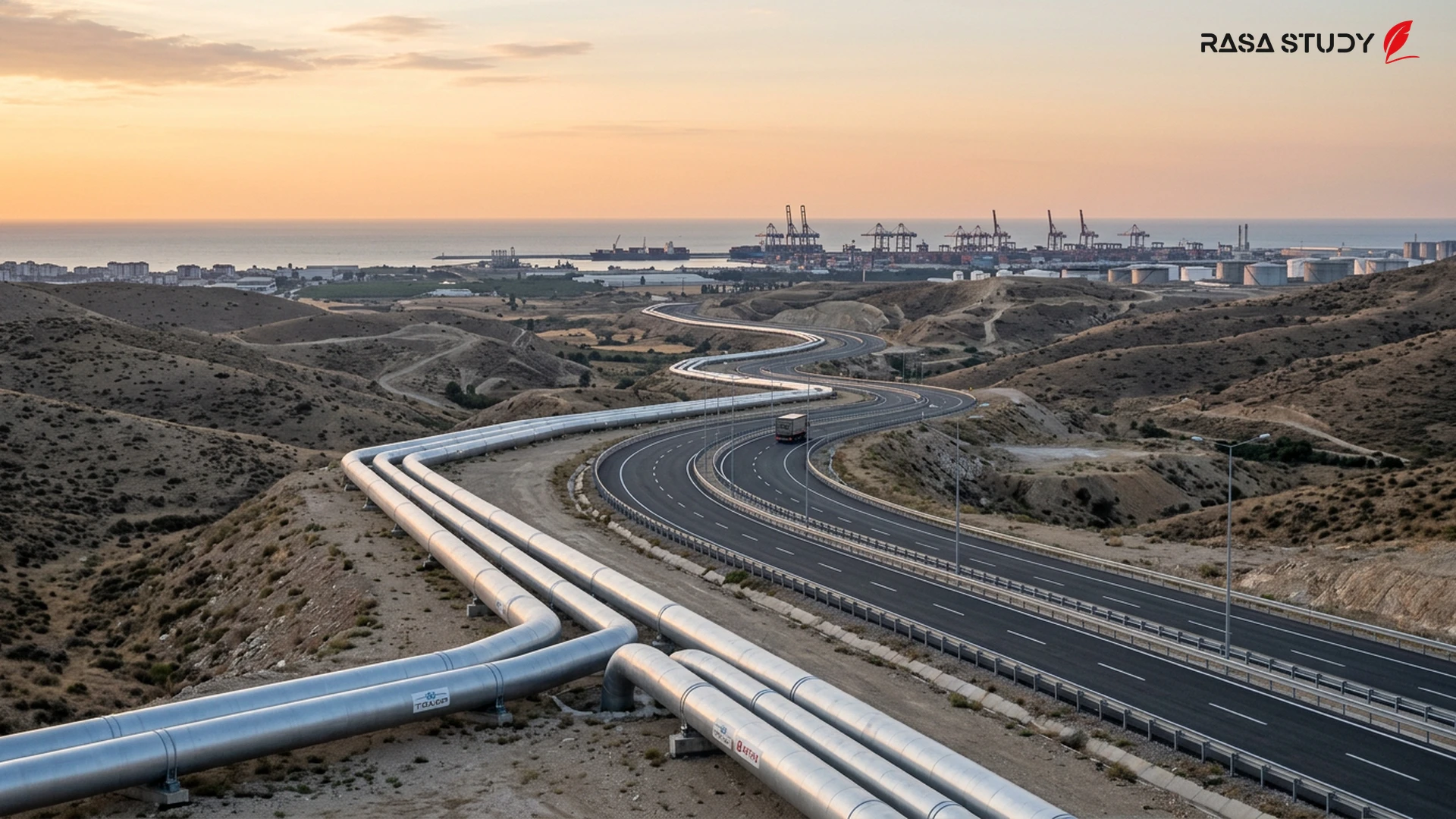
Economic Consequences and Energy Security This military confrontation immediately impacted global markets. Brent crude oil prices rose by 3%, and concerns regarding the security of traffic in the Strait of Hormuz, through which one-fifth of the world's oil passes, have increased sharply [4]. Iran has threatened that until "US aggression" stops, it will not allow the export of even a single drop of oil or gas from the region. Meanwhile, the United States is attempting to prevent the movement of Iranian vessels by establishing a naval blockade, which has further increased the likelihood of a direct naval clash [3].
Image released by Iranian state media showing the moment of a cruise missile launch during Operation Saeqeh - July 18, 2026
linkSources
- Iranian Navy Missile System Targets Aggressor Vessel in Indian Ocean — WANA (2026-07-17)
- İran, ABD Savaş Gemisine Füze Fırlattı — Canlı Gaste (2026-07-17)
- Iran renews attacks on Gulf states after another night of US strikes — The Business Standard (2026-07-18)
- Iran Fires Missiles at US Assets across Gulf in Retaliatory Strikes — Deccan Chronicle (2026-07-18)
- US Central Command strikes military targets on Qeshm Island — Iran International (2026-07-17)