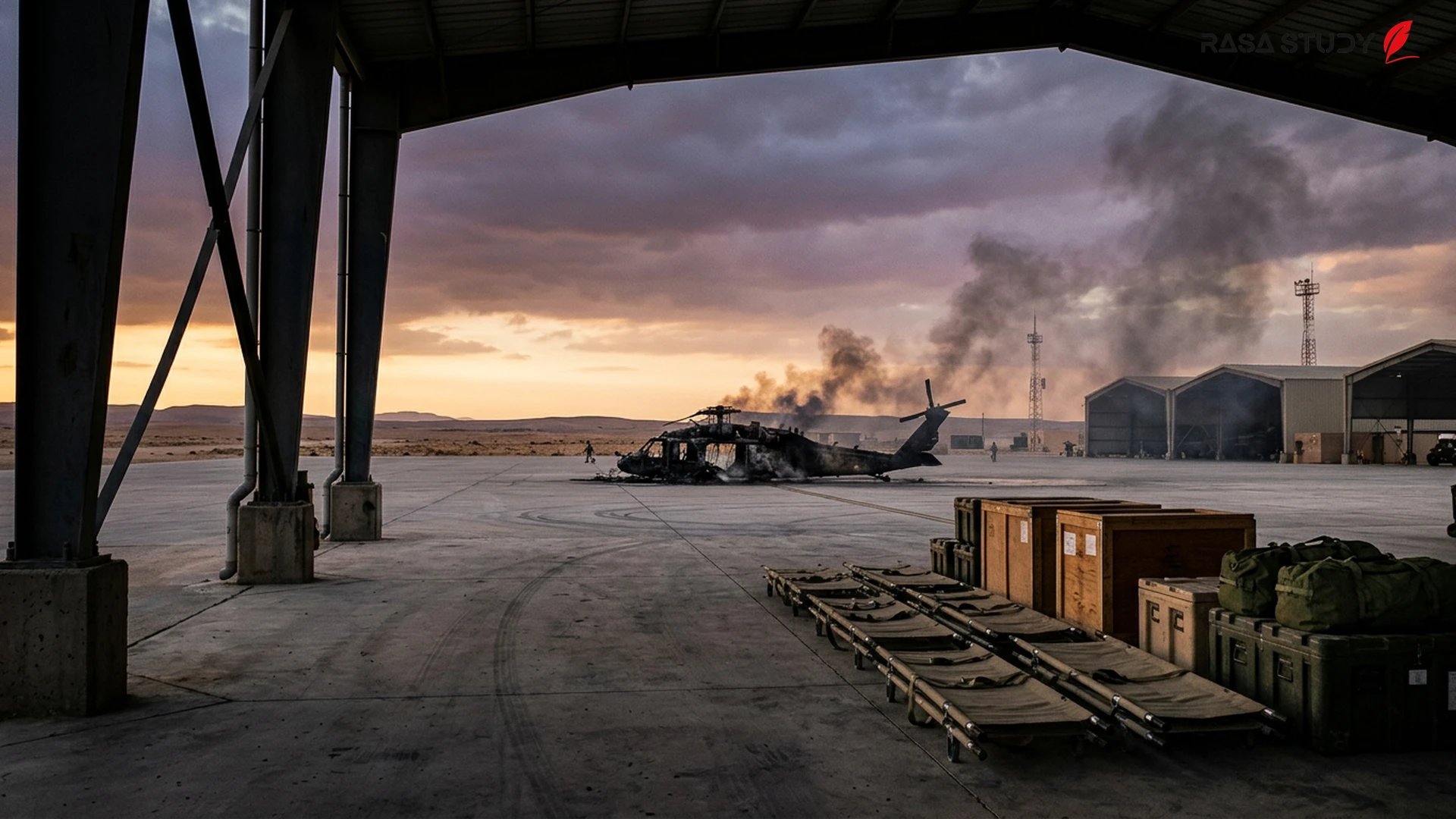
Officials of the Islamic Republic of Iran stated in a sharp statement that due to the non-compliance of the involved parties with the terms of the agreement, the current ceasefire pact is considered invalid by Tehran.
Diplomatic Deadlock; New Statement from the Iranian Ministry of Foreign Affairs
Following the escalation of tensions in the region, the Iranian government officially announced today, July 8, 2026, that the ceasefire agreement previously reached through international mediation no longer has legal standing. According to a report by the "Yeni Akit" newspaper, Tehran officials emphasized that this decision was made in response to repeated ceasefire violations by opposing parties and the failure to implement key commitments [1]. This statement indicates a serious shift in Iran's stance regarding regional security files, which could fundamentally alter power equations.
Reasons for the Invalidation of the Agreement from Tehran's Perspective
The Iranian Ministry of Foreign Affairs, explaining the reasons for this decision, stated that Tehran's "strategic patience" has ended. According to the IRNA news agency, the diplomatic spokesperson noted that agreements only have meaning when all parties adhere to them, but currently, this agreement has become a tool for enemies to buy time [3]. Iran claims that recent attacks and the continuation of sanctions have completely destroyed the spirit of the agreement, and therefore, "the text of the agreement no longer aligns with the realities on the ground."
Regional and International Reactions
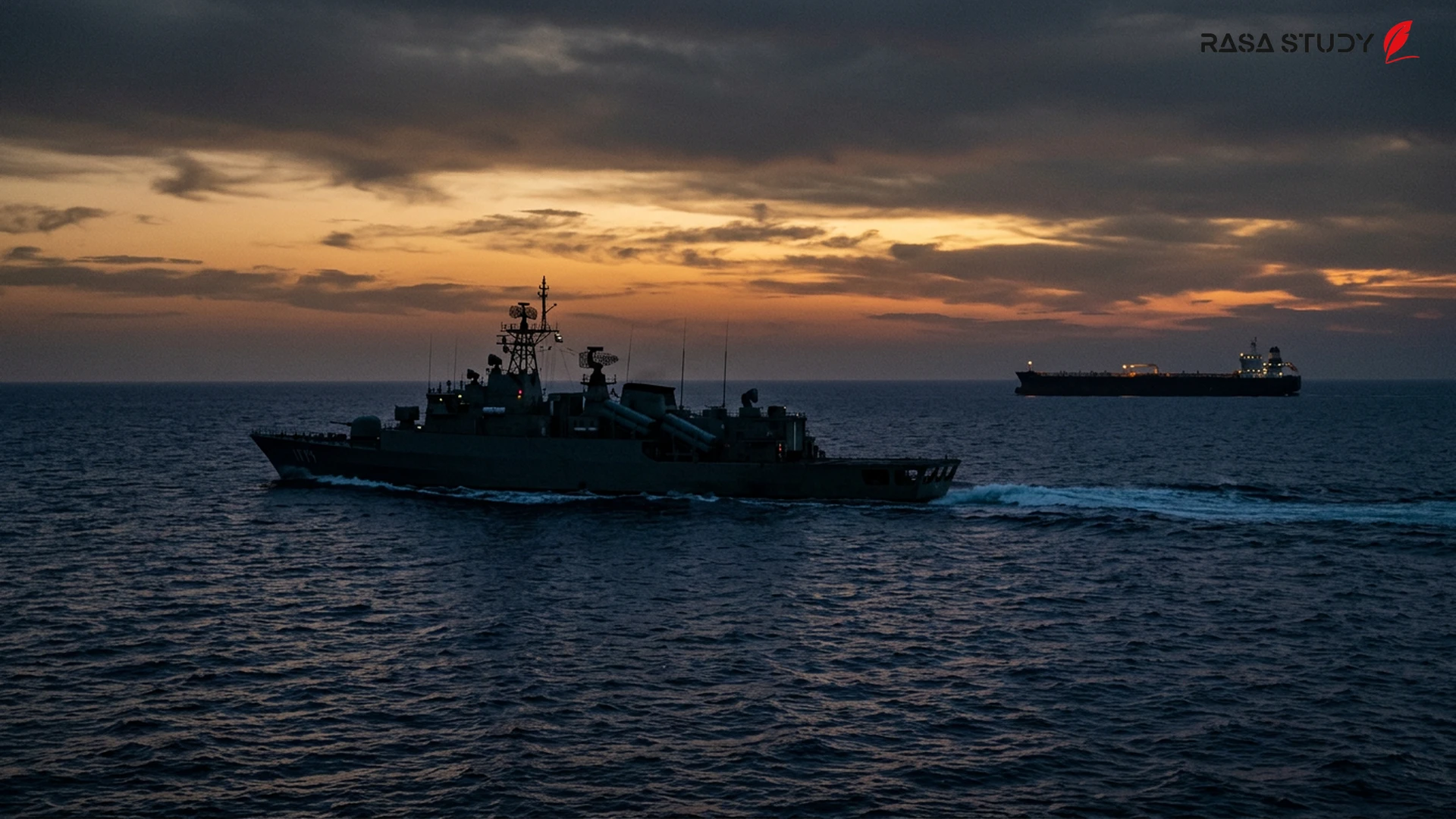
Iran's declaration of the ceasefire's invalidity has sparked a wave of concern in world capitals. Al Jazeera reported that military analysts believe this move may be a green light for the start of a new round of conflicts on various fronts [2]. The United Nations immediately called for restraint and urged the parties to return to the negotiating table. However, Tehran has emphasized that any new agreement requires objective guarantees and the complete lifting of hostile actions.
Potential Consequences for Energy Security and Trade
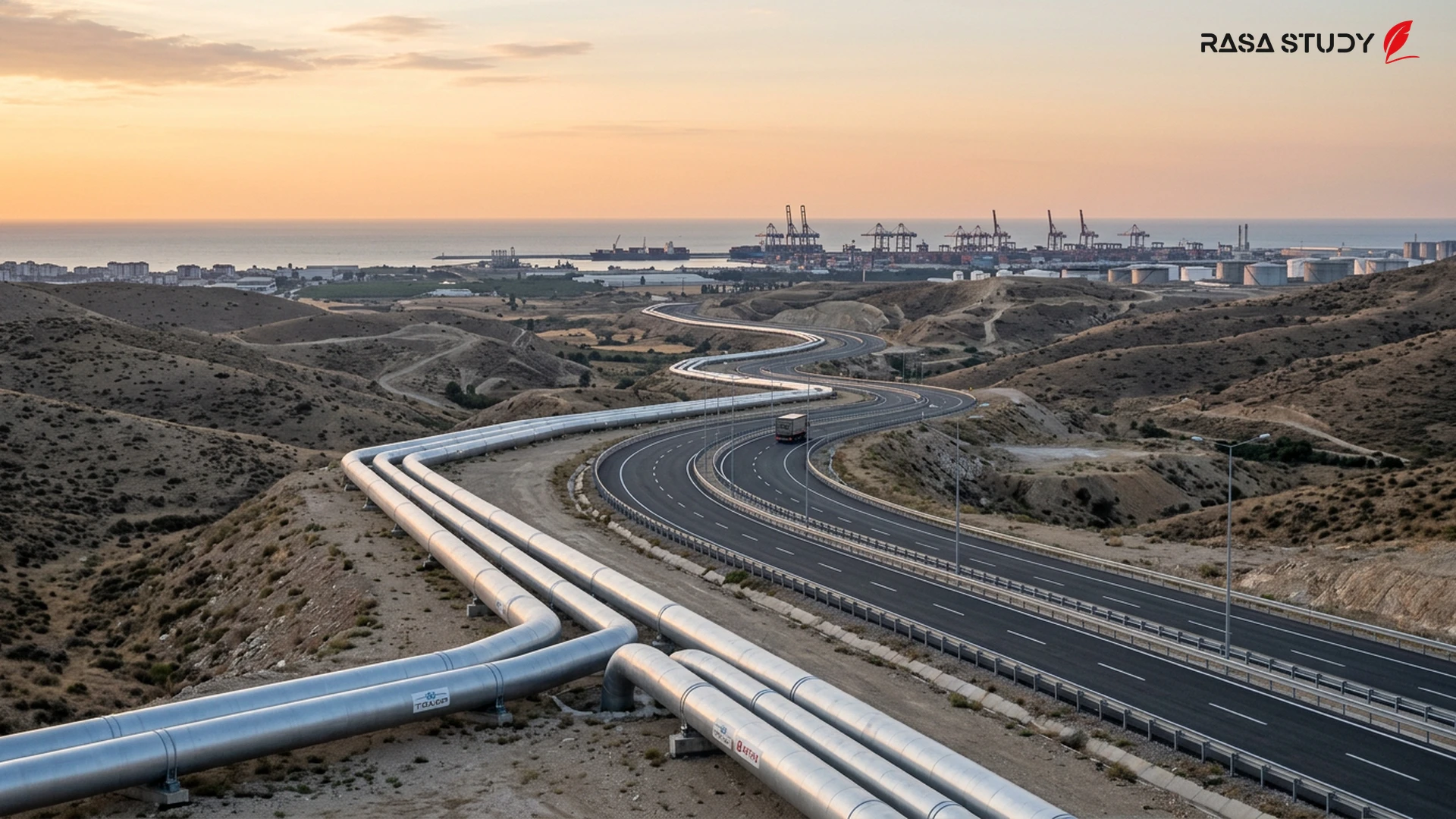
Economic experts warn that the official cancellation of the ceasefire agreement could have a direct impact on global energy markets. Given Iran's geopolitical position, any increase in tension in the Strait of Hormuz or surrounding areas will significantly affect oil prices. Currently, financial markets are closely following the statements of Iranian military officials to determine Tehran's next direction in the field [1][3].
Future of Diplomacy in the Region
While Iran considers the current agreement "dead," it has not completely closed the doors of diplomacy. However, Tehran's condition for returning to any commitment is cited as a "fundamental change in behavior" by the opposing parties. This situation indicates the region's entry into a new period of "strategic ambiguity," where written agreements have given way to field power balances [2].
The Iranian Ministry of Foreign Affairs announced that previous agreements are void in Tehran's view due to the non-compliance of the opposing parties.
linkSources
- İran'dan ateşkes açıklaması: Mutabakat geçerliliğini yitirdi — Yeni Akit Gazetesi (2026-07-08)
- Iran says regional security arrangements no longer hold — Al Jazeera (2026-07-08)
- وزارت امور خارجه: توافقات قبلی به دلیل نقض مکرر فاقد اعتبار است — IRNA (2026-07-08)