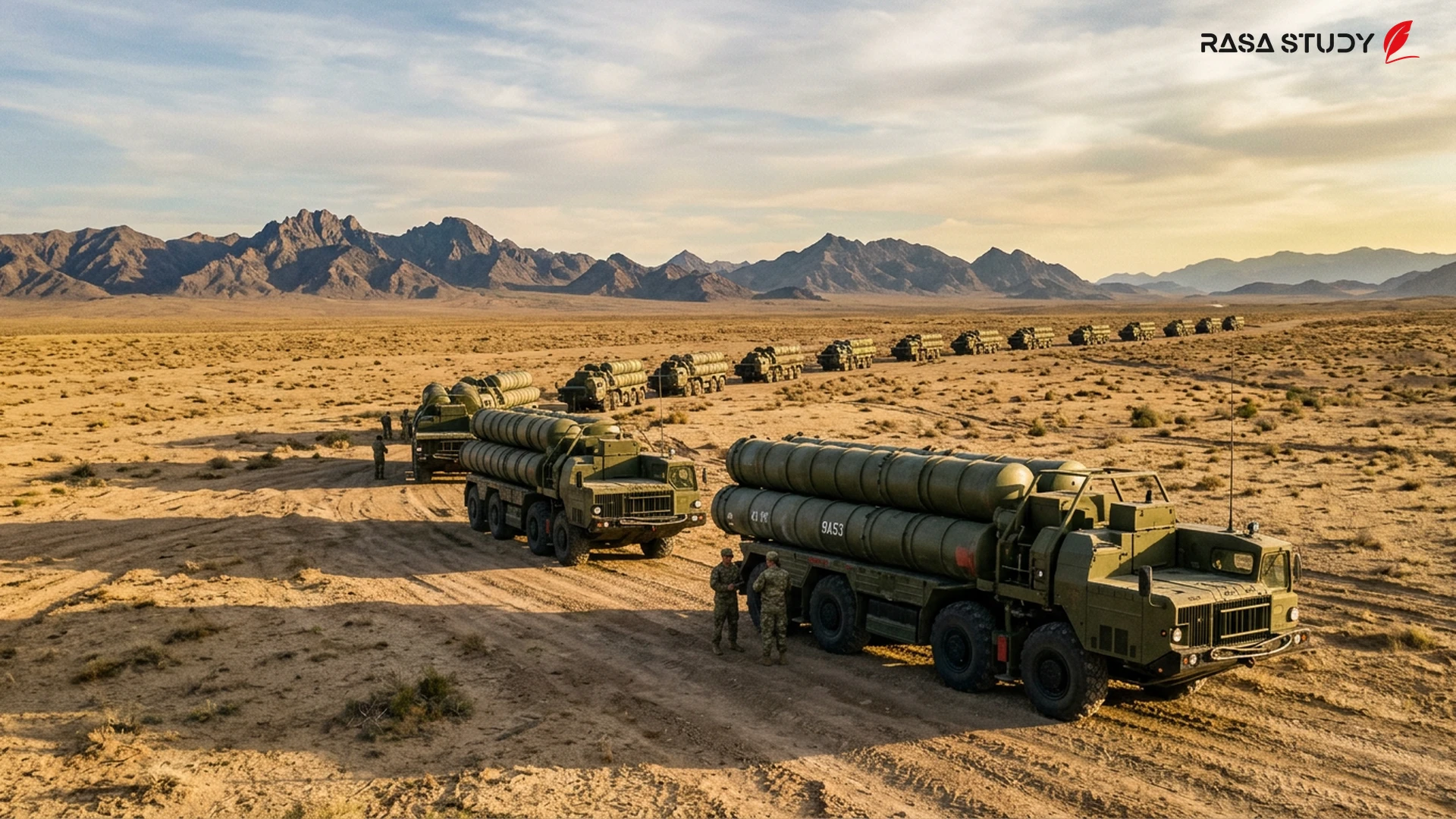
On June 24, 2026, the Islamic Republic of Iran once again firmly declared that the country's defense and military capabilities, particularly its missile programs, are a matter of sovereignty and that Tehran will not negotiate its national security with any foreign party. [1][2]
Standing on National Security Principles in the Post-War Era Following recent developments and the signing of a peace memorandum between Tehran and Washington that ended the 38-day war, senior officials of the Islamic Republic of Iran emphasized that the country's defense capacities are excluded from any diplomatic negotiations. Esmaeil Baghaei, the spokesperson for the Ministry of Foreign Affairs, stated in his recent press conference that Iran's missile and drone capabilities "absolutely" have not been and will not be a subject of negotiation. [2] This stance comes as international reports, including from the "CGTN Turk" network, emphasize Iran's decisiveness in maintaining its deterrence doctrine. [1]
Pezeshkian: Missile Power Prevented a Repeat of the Gaza Tragedy Iranian President Masoud Pezeshkian, in explicit remarks in Islamabad, announced that Iran will not negotiate its defense capabilities under any circumstances. Referring to international pressure to limit Iran's missile program, he said: "If it were not for our defense missiles, Israel and the United States would have brought the same disaster upon Iran as they did to Gaza." [3] These statements reflect Tehran's strategic view of missile weaponry as the only tool to guarantee national survival against foreign threats. Reports indicate that in the recent memorandum with the Trump administration, no clause regarding missile restrictions was included. [4]
Maintaining Military Posture During the 60-Day Memorandum Period Despite the cessation of hostilities, Iran's armed forces remain on full alert. General Ibn al-Reza, the Acting Minister of Defense, announced that Iran is prepared for "negotiation and confrontation" simultaneously. [3] He emphasized that during the 60-day implementation period of the memorandum, Iran will maintain and strengthen its military posture in all fields to ensure the other party's compliance with its commitments. [5] This approach demonstrates Tehran's deep distrust of Washington's promises, particularly regarding the lifting of sanctions and access to frozen assets.
Regional Concerns and Washington Diplomacy While Tehran insists on its defensive positions, US Secretary of State Marco Rubio has begun a regional tour of the Gulf countries to explain the dimensions of the memorandum with Iran to Arab allies. [4] Regional countries are concerned that the exclusion of missile restrictions in the recent agreement might shift the balance of power in Iran's favor. However, Iranian officials emphasize that their military power is not a threat to neighbors and is purely defensive, though they insist on their full sovereignty over the Strait of Hormuz and the security of energy routes. [5]
Iranian officials emphasized that the country's military power is only for deterrence purposes and will not be a subject of negotiation.
linkSources
- İran: "Savunma kapasitemiz konusunda kimseyle müzakere yapmayız" — CGTN Türk (2026-06-24)
- بقایی: توانمندی دفاعی مطلقاً موضوع مذاکره با هیچ طرفی نیست — Entekhab (2026-06-23)
- Iran War Update: June 24, 2026 — JINSA (2026-06-24)
- ماموریت دشوار روبیو در خلیج فارس آغاز شد — Iran International (2026-06-23)
- Iran Update Special Report, June 23, 2026 — ISW (2026-06-23)