On Tuesday, July 14, 2026, with massive explosions in southern Iranian ports and missile attacks on tankers in the Strait of Hormuz, the Persian Gulf region is once again on the brink of a full-scale conflict.
Today, July 14, 2026, multiple reports have been released regarding severe explosions at several points along Iran's southern coast. Simultaneously, attacks on two commercial tankers in the Strait of Hormuz, one of the world's most vital energy transit routes, have created a wave of concern in global markets [1]. These incidents occur as military tensions between the United States and Iran have reached their highest level in recent months.
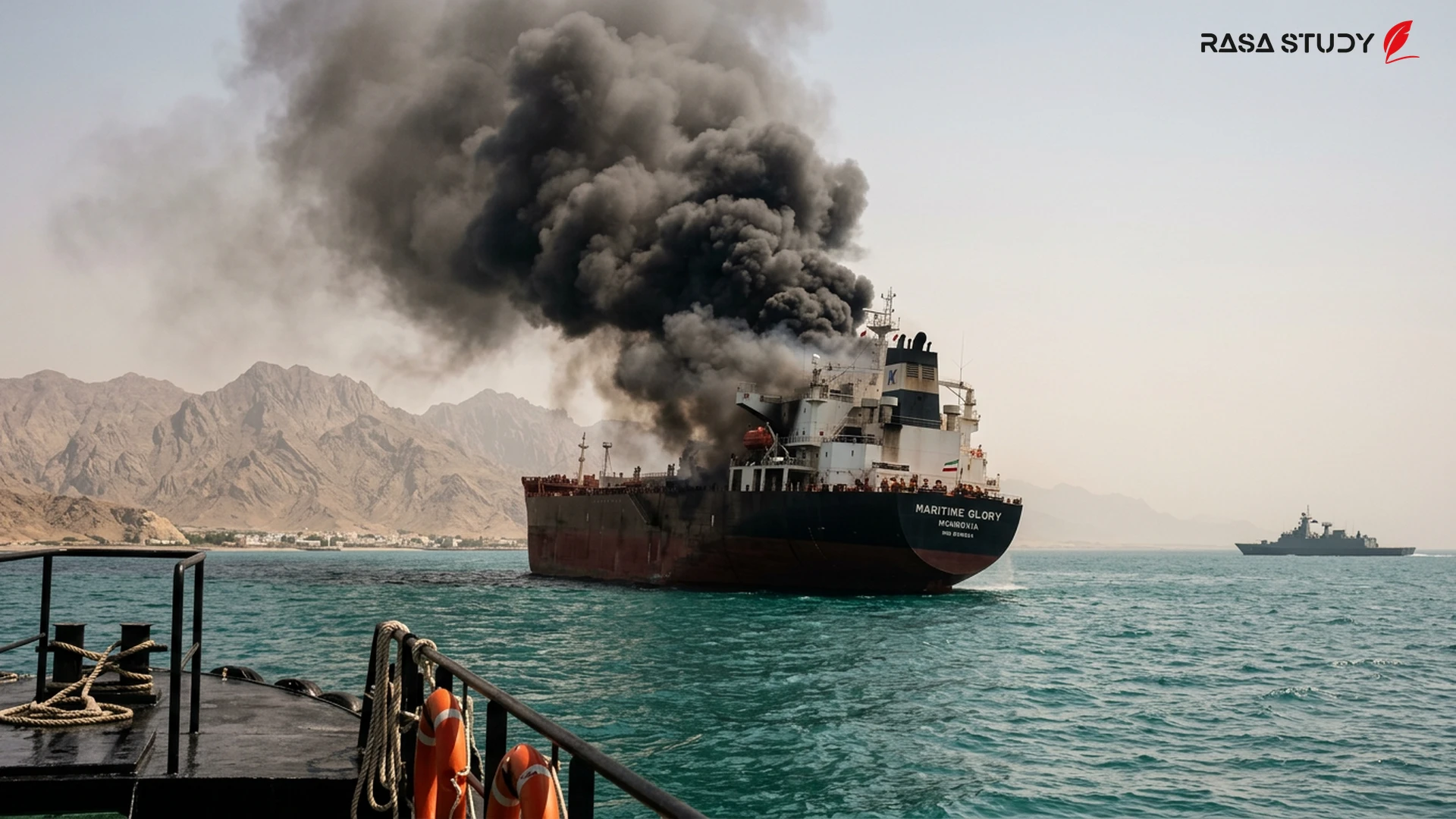
Missile Attacks on Tankers in the Strait of Hormuz The Ministry of Defense of the United Arab Emirates confirmed that two of its tankers, named "MT Mombasa" and "Al Bahiya," were targeted by cruise missiles while passing through the southern route of the Strait of Hormuz in Omani territorial waters [2]. In this attack, one Indian sailor lost his life and eight other crew members, including Indian and Ukrainian nationals, were injured. The Islamic Revolutionary Guard Corps issued a statement claiming responsibility for targeting these "violating supertankers," alleging that the vessels had entered prohibited areas by turning off navigation systems and ignoring warnings [1][5].
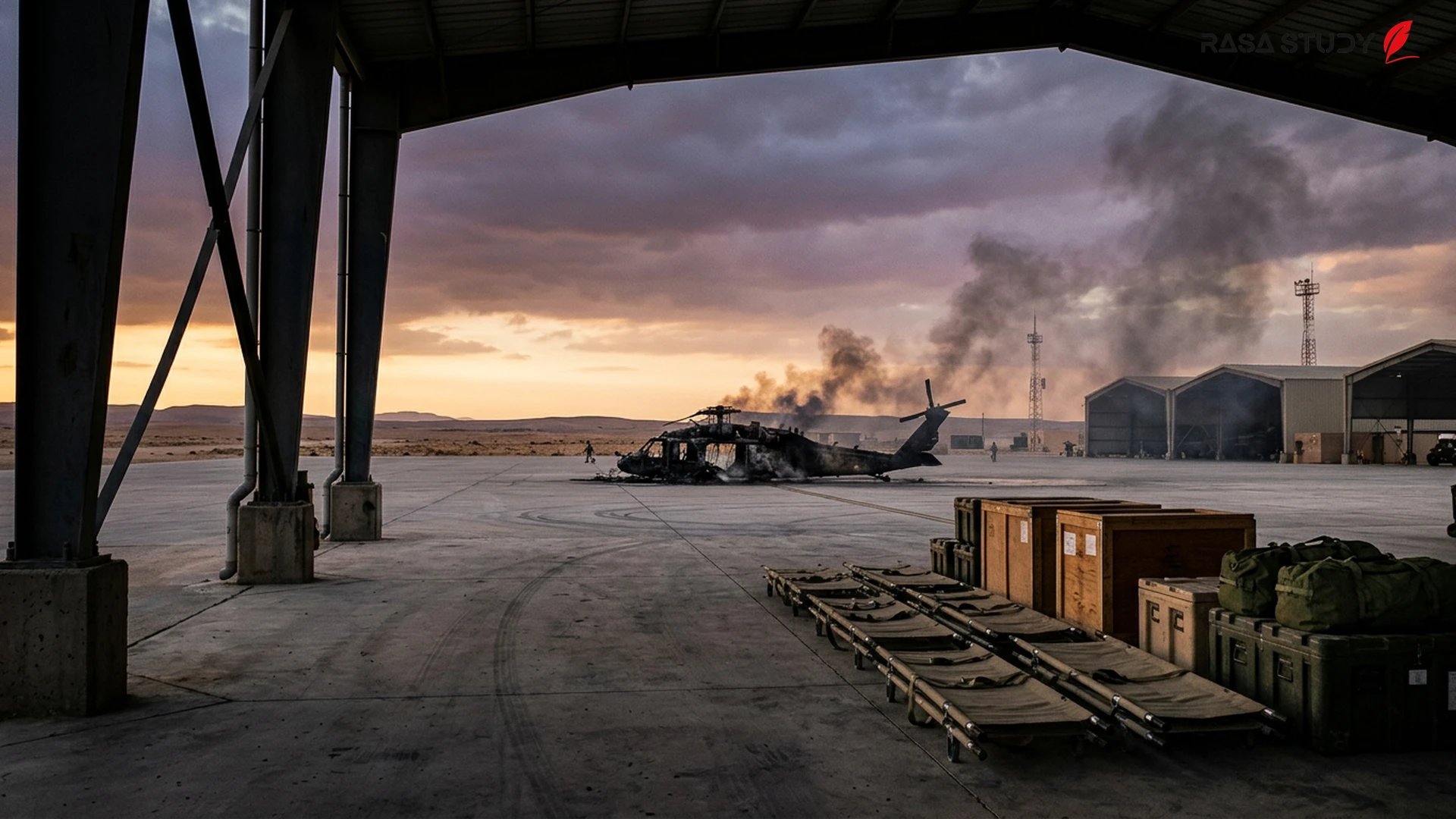
New Wave of US Airstrikes on Southern Iran In response to these actions, the United States Central Command (CENTCOM) announced that it has conducted a new wave of airstrikes against military targets in Iran. Local reports indicate more than 15 massive explosions were heard west of Bandar Abbas and in areas of Bushehr, Qeshm Island, and Abu Musa [3]. Iranian officials have confirmed that several missile sites, drone warehouses, and coastal radars were targeted. US President Donald Trump, announcing the formal end of the short-term ceasefire, reported the re-establishment of a naval blockade of Iran and proposed a 20% tariff to ensure the security of ships passing through the Strait of Hormuz [1][3].
Economic Consequences and Regional Security Disruption Global energy markets immediately reacted to these conflicts. Brent crude oil prices jumped significantly to over $86 per barrel, the highest level in the past four weeks [4]. Additionally, reports have been published of widespread disruptions to Global Positioning Systems (GPS) in Persian Gulf countries, including Bahrain, Qatar, and Saudi Arabia, posing a serious challenge to commercial shipping and aviation [5]. The Jordanian military also announced that it intercepted and destroyed at least four missiles fired from Iran in its airspace [1].
Diplomatic Deadlock and the Future of the Strait of Hormuz While the international community calls for restraint from both sides, Iranian Foreign Minister Abbas Araghchi emphasized that Tehran will remain the guardian of the Strait of Hormuz "forever" and will not allow interference from extra-regional forces [1]. On the other hand, India has summoned Iran's senior diplomat in New Delhi to express its strong protest over the killing of its nationals in the maritime attacks [2]. Given the current conditions, observers believe that without a comprehensive political agreement, the risk of a wider war in the region is felt more than ever.
Military tensions in the Strait of Hormuz have once again endangered global energy security in July 2026.
linkSources
- Explosions heard across Iran, state media reports, after UAE oil tankers hit in Hormuz strait — The Guardian (2026-07-14)
- One Indian sailor killed, six wounded as Iranian missiles strike oil tankers in Strait of Hormuz — The Hindu (2026-07-14)
- US strikes hit locations in Iran's southwestern provinces — Anadolu Agency (2026-07-14)
- Oil Prices Surge Amid Rising Geopolitical Tensions — Global Banking & Finance (2026-07-14)
- صدای انفجار در جنوب ایران؛ حمله به نفتکشها در تنگه هرمز — Shahrara News (2026-07-14)