Mohsen Rezaei, military advisor to the Supreme Leader, warned in a sharp reaction to the seventh night of United States airstrikes that if these attacks do not stop within the next two to three days, Iran will enter a 'full-scale offensive and destructive' phase.
Following an unprecedented escalation of tensions in the Middle East, Mohsen Rezaei, senior military advisor to the Supreme Leader, announced on Friday, July 17, 2026, during a television interview with the News Network (IRIB), that Iran's military doctrine will shift from a defensive and retaliatory stance to an offensive phase [1]. He explicitly stated that the policy of 'both war and negotiation' has ended and the Iranian Armed Forces are prepared for a widespread confrontation.
72-Hour Ultimatum to Washington In his remarks, Rezaei emphasized that Iran has so far focused on a strategy of deterrence and ending conflicts, but the continuation of CENTCOM attacks on Iranian infrastructure has exhausted Tehran's strategic patience [2]. He warned: 'If US attacks continue in the next two or three days, we will enter an offensive and destructive stage, and no political border in the region will be safe' [4]. These statements come as the US Central Command announced that for the seventh consecutive night, it has targeted positions in southern Iran with the aim of degrading the country's military capabilities.
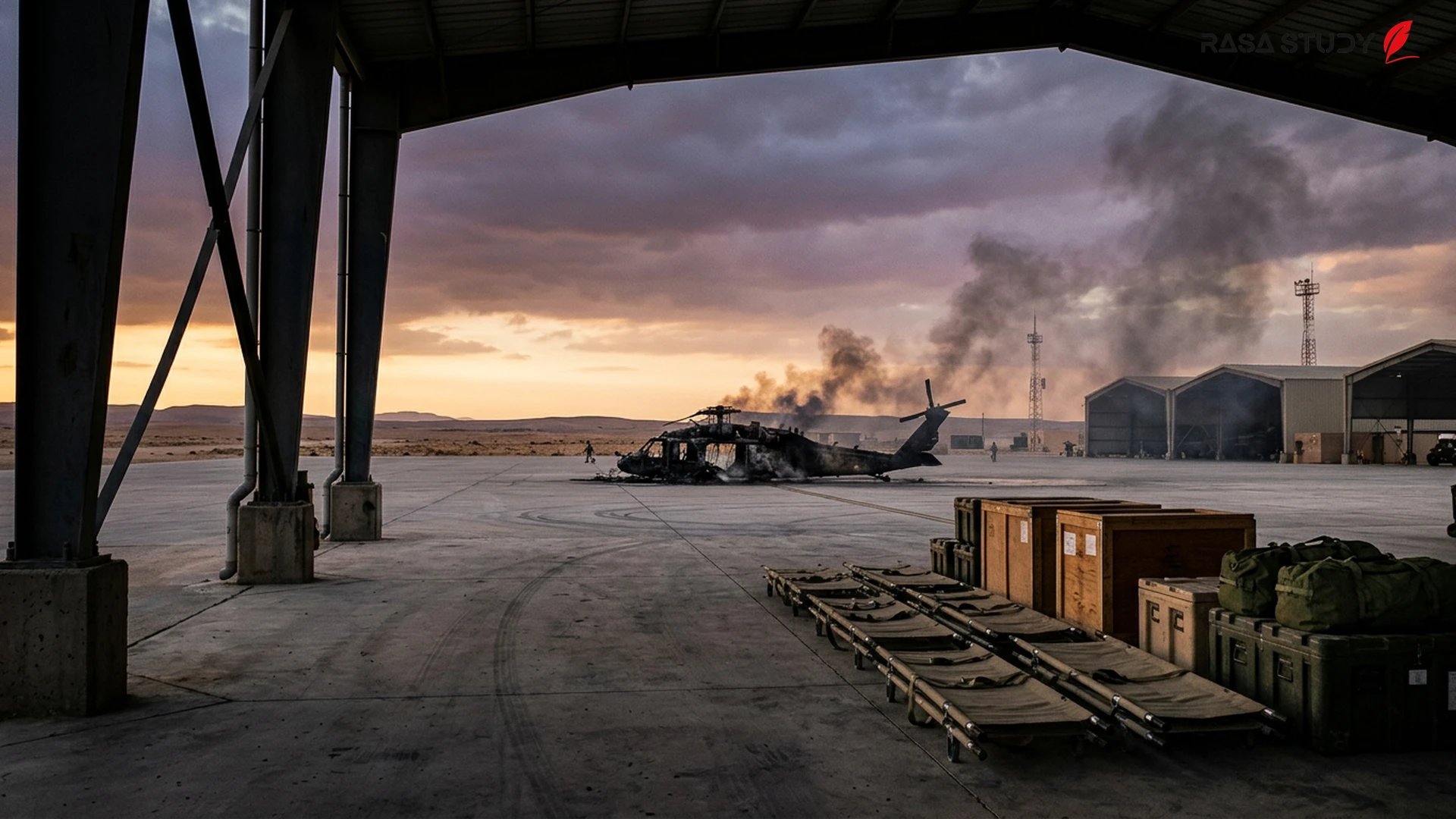
Expansion of Conflict to Kuwait and Jordan Field reports indicate that in response to recent attacks, the Iranian Armed Forces have targeted sites in neighboring countries hosting US bases. According to official statements, the 'Al-Udairi' and 'Ali Al-Salem' bases in Kuwait, as well as fuel depots at the 'Al-Azraq' base in Jordan, were targeted by Iranian drone and missile strikes [3]. Kuwaiti officials have confirmed that the attacks damaged desalination plants and power stations, leading to electricity rationing in some areas [4].
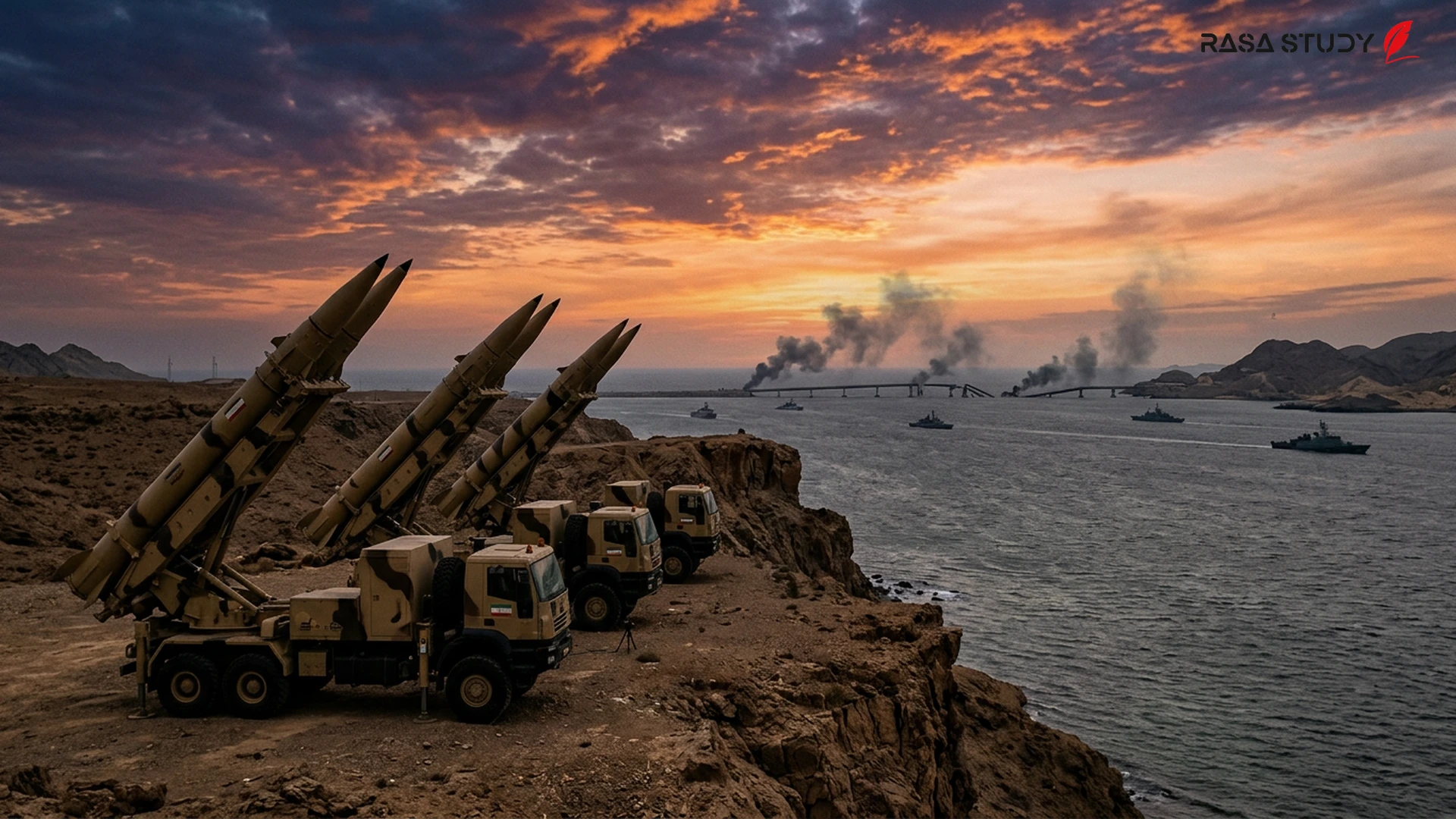
Targeting of Civilian Infrastructure in Iran A primary reason for the anger of Tehran officials is the expansion of US attack targets to civilian infrastructure. Reports show that in Hormozgan province, several connecting bridges, including in the coastal city of 'Bandar Khamir,' as well as train stations and the Iranshahr airport, have been targeted [3]. Rezaei described these actions as an 'official declaration of war' and added that Iran will no longer limit itself to proportionate responses and will expand its targets beyond the conflict zones [2].
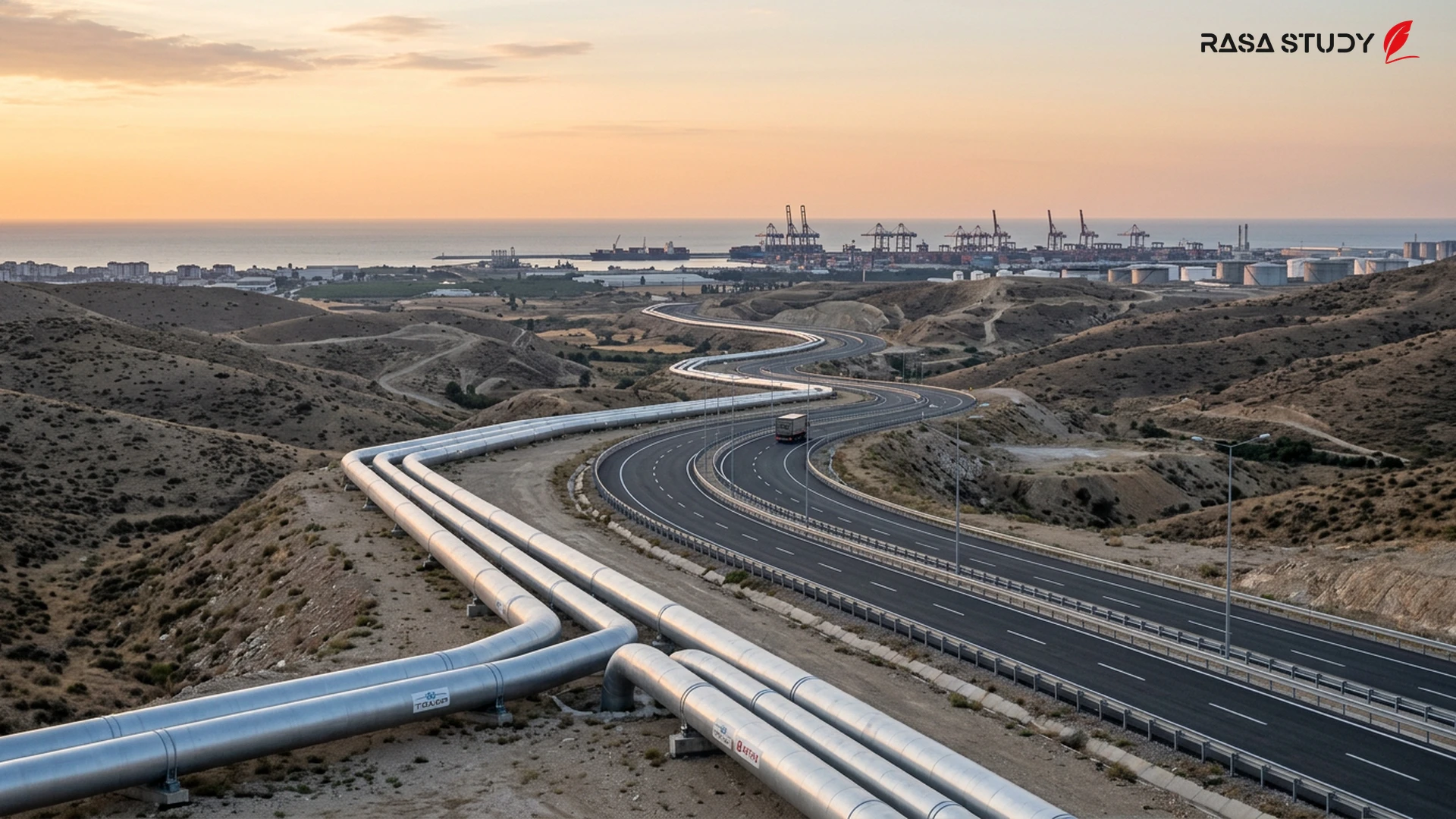
Diplomatic Deadlock and Global Concerns While mediators from China and Pakistan are attempting to revive negotiations, UN Secretary-General António Guterres has expressed deep concern over the situation spiraling out of control [3]. With the practical closure of the Strait of Hormuz and the mining of tanker routes, global energy markets are in a state of crisis. Mohsen Rezaei's statements reflect the reality that Tehran now sees the military option as the only way out of the current deadlock, unless US airstrikes stop immediately [1].
Mohsen Rezaei, military advisor to the Supreme Leader, announced the shift of Iran's military doctrine to an offensive phase.
linkSources
- Tehran warns of 'full-scale offensive' if US strikes continue — Middle East Eye (2026-07-18)
- Iran threatens offensive if US strikes persist — Report News Agency (2026-07-18)
- Bombing intensified in Middle East for seventh night — Al-Monitor (2026-07-18)
- Iran targets US-linked assets in Kuwait and Jordan as strikes widen — Arab News (2026-07-18)