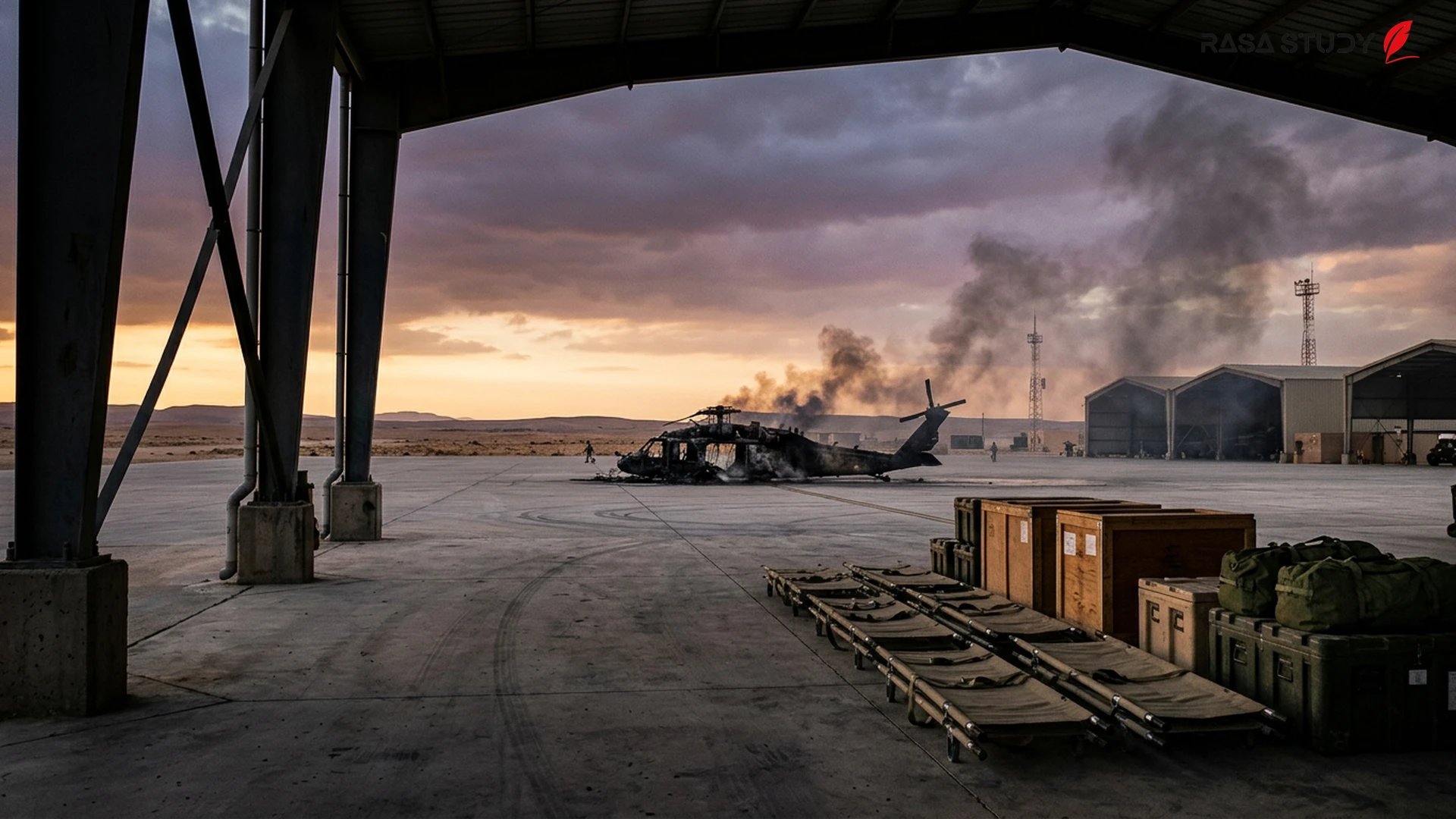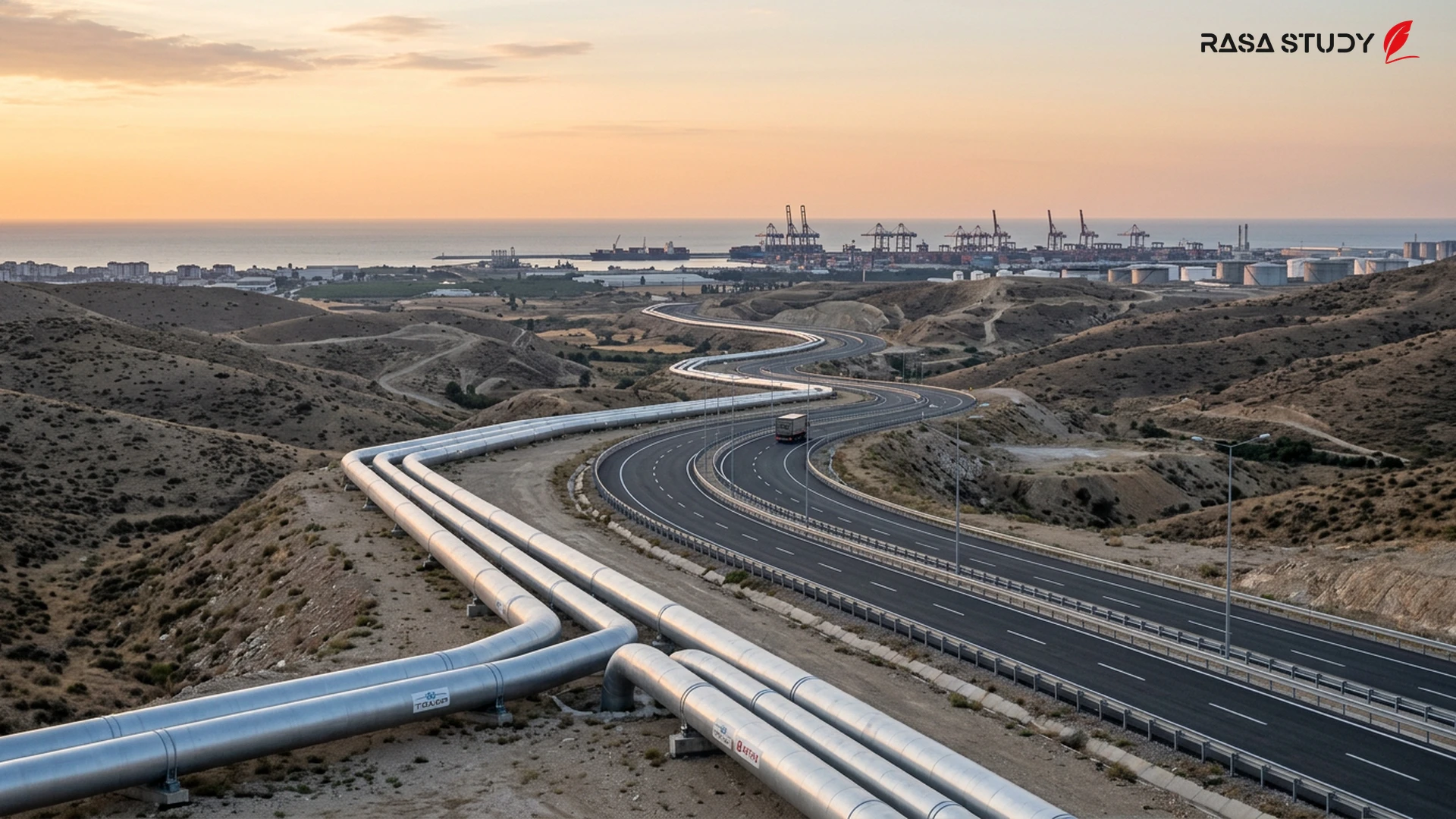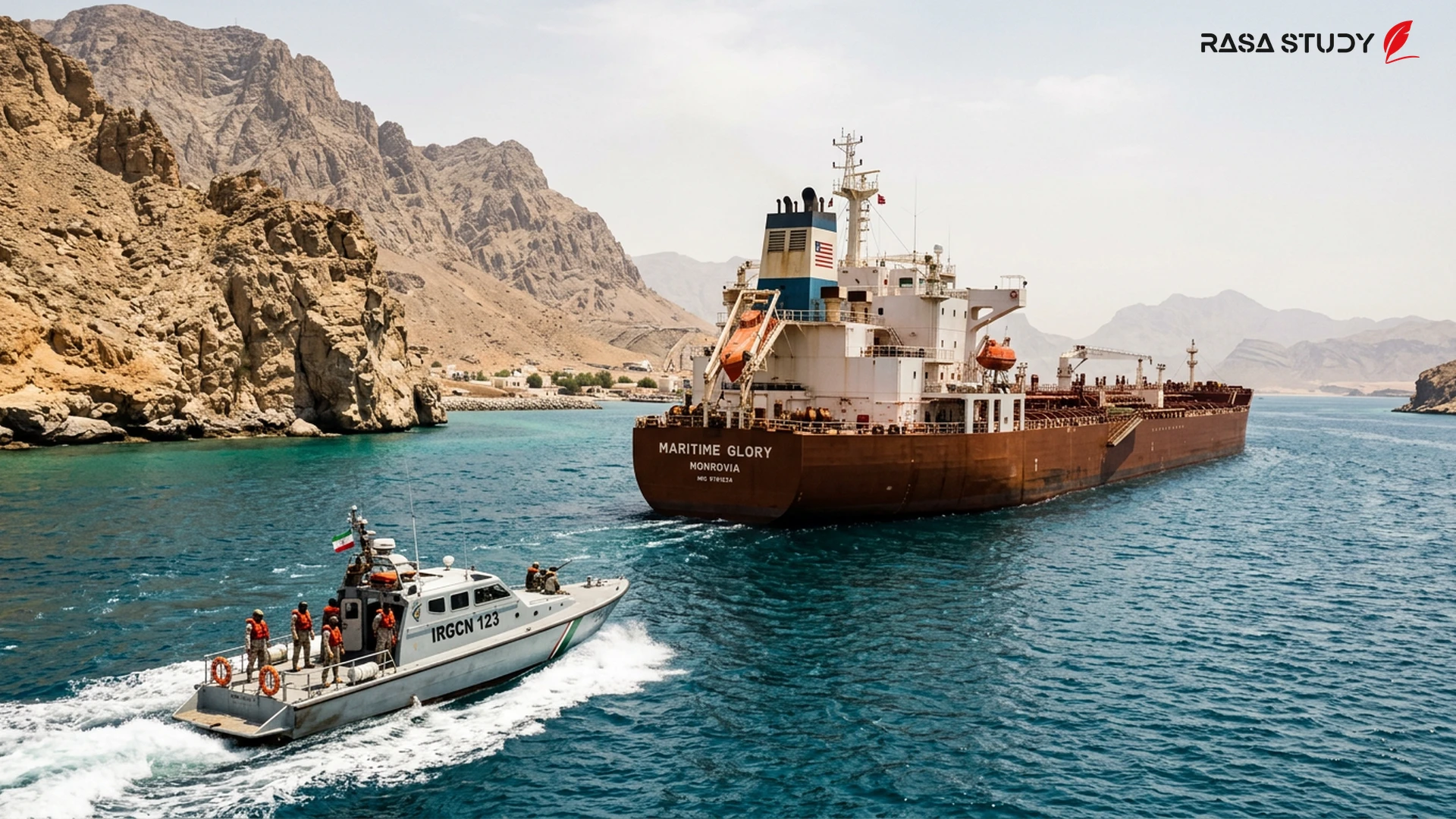
The release of details of an unofficial draft agreement between Iran and the United States indicates a major shift in the management of the Strait of Hormuz; a document under which Iran will be recognized as the exclusive authority for determining maritime regulations in this strategic waterway.
Today, July 6, 2026, reports received from diplomatic sources and regional media indicate that the draft of a strategic agreement between the Islamic Republic of Iran and the United States, known as the "Islamabad Memorandum of Understanding," has reached its final stages. This document, which has not yet been officially signed by senior officials of the two countries, contains clauses that completely change the balance of power in the Persian Gulf [1]. According to this unofficial text, Iran will be recognized as the "exclusive authority" for determining the nature of passing ships and establishing new maritime regulations in the Strait of Hormuz [2].
Return of Iran's Authority to the World's Energy Artery One of the key parts of this draft is the redefinition of navigation rules in the Strait of Hormuz. According to the provisions of this document, Iran will have the right to block any ship whose cargo is deemed threatening or whose ultimate beneficiary is hostile to Tehran from the designated routes [1]. This means that said ships will no longer be recognized as "commercial vessels" and will be subject to physical inspections by Iranian forces. Additionally, Iran will be responsible for determining movement routes, navigation service fees, and security arrangements [2].
Release of Billions of Dollars in Frozen Assets In exchange for these strategic concessions, the United States has committed to providing Iran with full access to $12 billion of its frozen assets within 60 days [1]. Some sources even speak of a figure of $24 billion, half of which must be made available to Tehran before the official start of negotiations. These financial resources are intended to be used without restriction in destination banks chosen by Iran to stabilize the foreign exchange market and import essential goods [2]. US President Donald Trump had previously described this agreement as "big" in messages, claiming that this action would lead to the return of stability to global energy markets [4].
Maritime Service Fees and Priority for Allies New reports indicate that Iran intends to collect a fee under the title of "maritime services" from passing ships after a 60-day period. Abdolreza Rahmani Fazli, Iran's ambassador to China, announced on the sidelines of the Beijing World Peace Forum that these amounts will be spent on navigation security and environmental protection [3]. The significant point in this plan is the consideration of "special facilities" for friendly and allied countries, including China, which indicates Tehran's clever use of the Hormuz geopolitical tool to strengthen Eastern alliances [3].
The Role of Mediators and Future Outlook This agreement, which was drafted with the active mediation of Pakistan and Oman, seeks to end the military tensions that began in February 2026 [4]. Although London and Paris continue to emphasize freedom of navigation and have proposed the deployment of multinational missions, field realities and the current draft show that Washington has accepted Iran's key role in managing the Strait to prevent an all-out war [2]. However, Iranian officials have emphasized that no final steps will be taken until "tangible verification" of US commitments is achieved [1].
Strait of Hormuz; the new center of strategic agreements between Tehran and Washington in 2026.
linkSources
- Taslak anlaşma ortaya çıktı: Hürmüz’de son söz İran’ın olacak — Yakın Doğu Haber (2026-07-03)
- Iran seeks permanent Strait of Hormuz control in US talks — Modern Diplomacy (2026-07-01)
- Iran says China to get special treatment under Hormuz fee plan — PortNews (2026-07-06)
- ترامپ: توافق صلح با ایران نهایی شد؛ تنگه هرمز ۱۹ ژوئن بازگشایی میشود — Anadolu Agency (2026-06-15)