Ebrahim Azizi, Chairman of the Iranian Parliament's National Security Committee, announced the presentation of a plan that strengthens Tehran's sovereignty over the Strait of Hormuz and includes the collection of tolls from passing ships; an action that, according to him, will take sleep from the enemies' eyes.
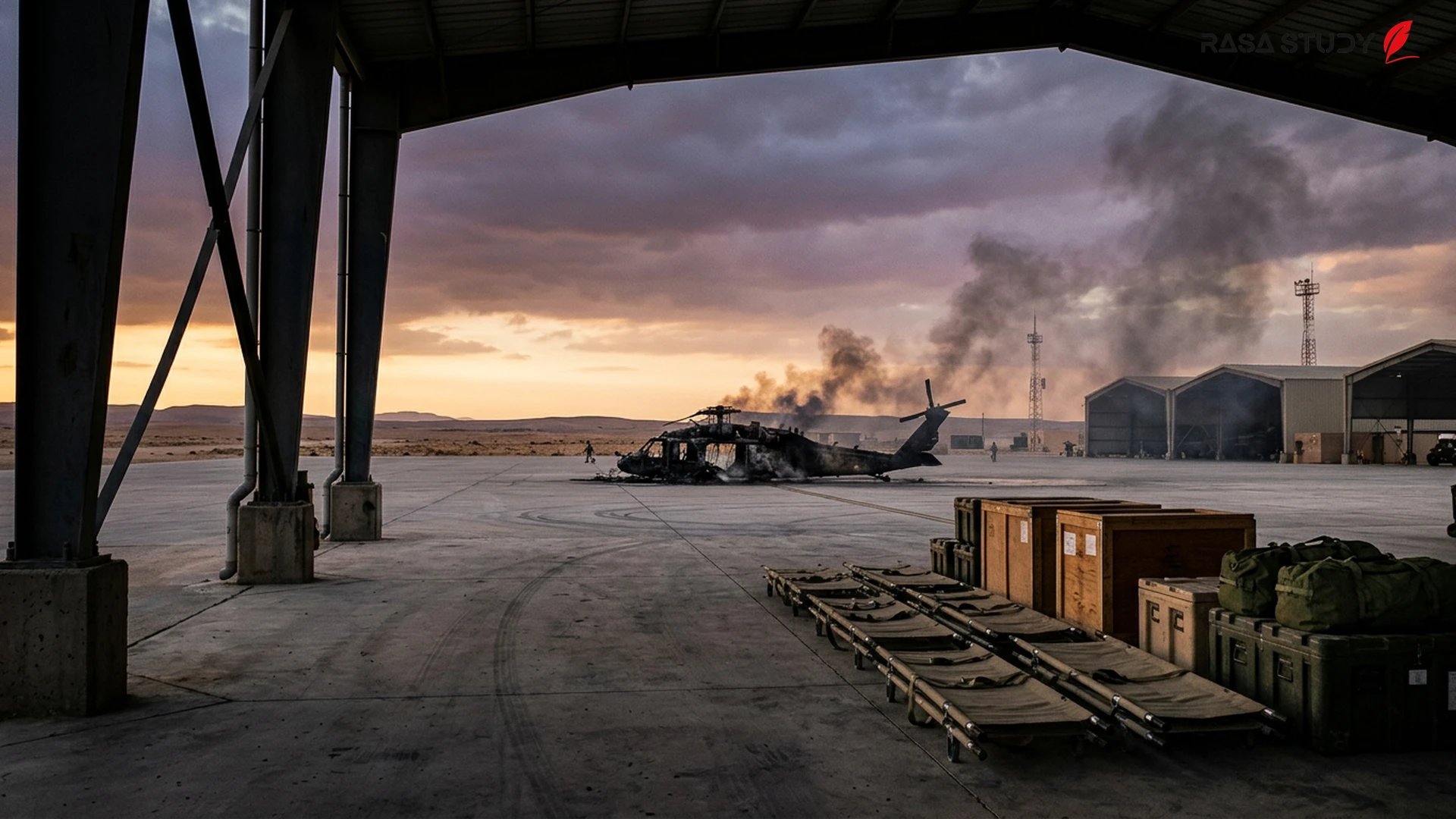
In a move that could significantly impact global energy equations and maritime security, the Islamic Consultative Assembly of Iran has taken the final steps toward passing a law titled "Strategic Action for Security and Sustainable Development of the Strait of Hormuz and the Persian Gulf." This plan, presented to the public session of parliament in the late hours of July 13, 2026, is described as a direct response to recent military tensions in the region and the shootdown of American drones [1][2].
Strategic Action Plan: Legal and Security Dimensions Ebrahim Azizi, Chairman of the National Security and Foreign Policy Committee of the Parliament, announced in a message that Tehran stands firm in defending its "red lines," particularly in managing the Strait of Hormuz. He emphasized that the presentation of this bill is only the "first step" and Iran's subsequent actions will be such that "sleep will be taken from the enemies' eyes" [1][5]. This law seeks to establish Iran's sovereign rights over this vital waterway, through which approximately 20 percent of the world's oil trade passes.
New Toll System; From Yuan to Bitcoin One of the most controversial parts of this law is the creation of a system to collect transit tolls from commercial ships. According to published reports, Iran intends to charge ships passing through the strait fees under the titles of navigation services and environmental security [3]. Notably, given international sanctions, the law allows these tolls to be paid in non-dollar currencies such as the Chinese Yuan, Iranian Rial, and even digital currencies including Bitcoin and stablecoins [4]. This move is seen as a strategy to bypass traditional financial systems and strengthen Iran's foreign exchange reserves in crisis conditions.
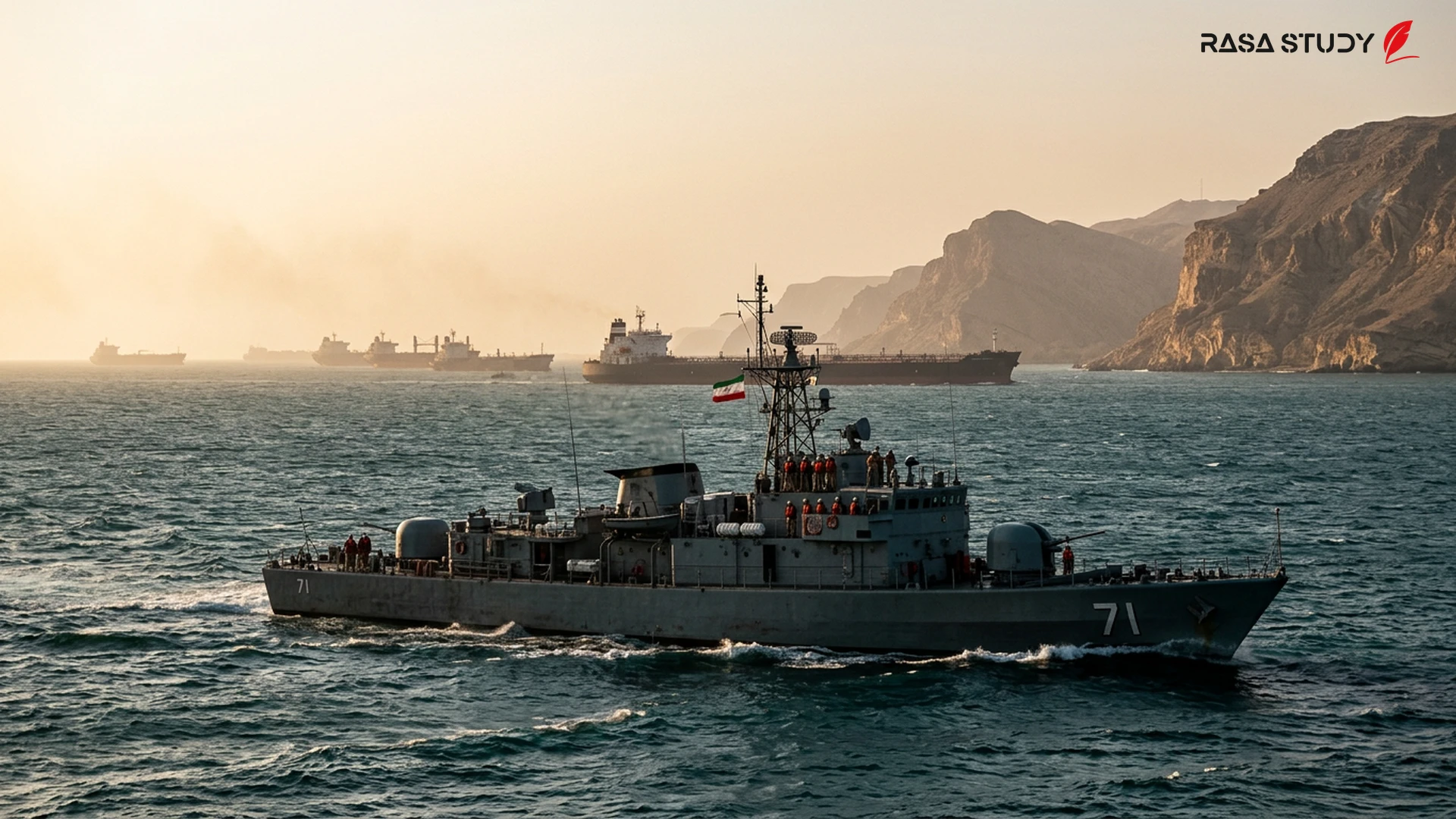
Traffic Prohibition and Tehran's Red Lines The new law includes strict clauses against hostile countries. According to the provisions of this plan, the movement of ships affiliated with the United States and Israel through the Strait of Hormuz will be prohibited [3]. Additionally, restrictions have been considered for ships belonging to countries that participate in unilateral sanctions against Iran. This law gives the Iranian armed forces, particularly the Islamic Revolutionary Guard Corps Navy, broader powers for monitoring and enforcing regulations in this region [2][3].
International Reactions and Economic Consequences The approval of this law comes while the region is in a state of military alert. US President Donald Trump had previously proposed his own 20 percent toll for transit in this region, indicating a competition for financial control of this waterway [4]. Experts warn that the implementation of this law could lead to a sudden increase in energy prices and disruption in the global supply chain. However, officials in Tehran believe it is their legal right to use their strategic position to ensure security and national interests [5].
The Strait of Hormuz, one of the world's most vital energy transit routes, is now subject to Iran's new sovereign and financial laws.
linkSources
- İran Hürmüz kararını yasalaştırıyor: 'Uykuları kaçacak' — CGTN Türk (2026-07-14)
- Strategic Action for the Security and Sustainable Progress of the Strait of Hormuz — Caliber.Az (2026-07-14)
- Iranian parliament advances bill on Hormuz transit charges — AzerNews (2026-03-31)
- Iran's parliament has passed a bill claiming sovereign control over the Strait of Hormuz — CryptoBriefing (2026-07-14)
- Bill on Hormuz Strait security introduced in Iranian parliament — Middle East Eye (2026-07-14)