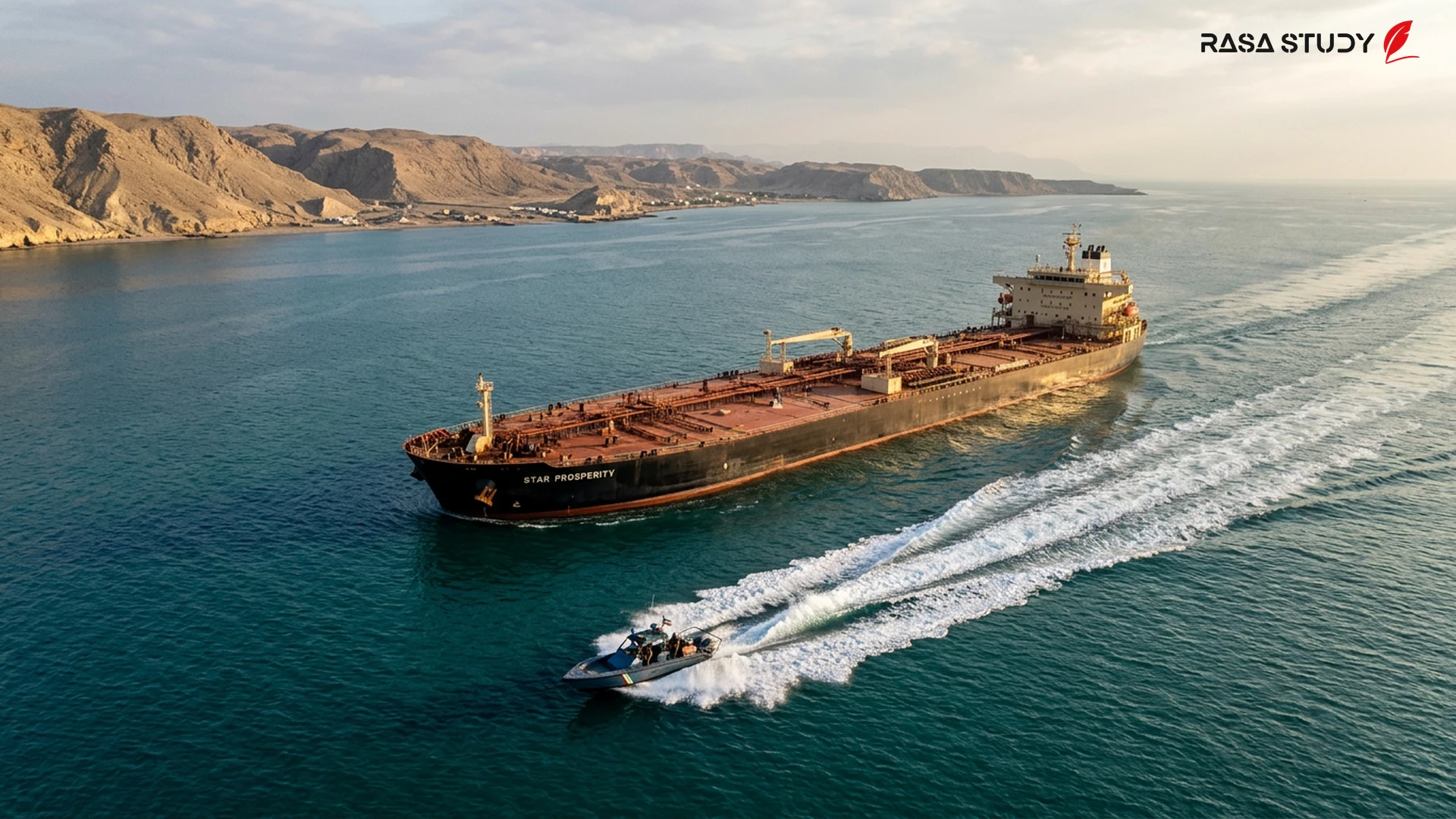
The Islamic Republic of Iran, announcing new maritime regulations in the Strait of Hormuz, emphasized that from now on, all commercial and military vessels are only permitted to use routes specified by Iranian maritime authorities.
A New Development in the Management of the World's Most Strategic Waterway
Iranian maritime authorities announced in an official statement that starting June 26, 2026, new protocols for transit in the Strait of Hormuz will be implemented. According to this plan, all passing ships are obliged to use only the routes determined by the Ports and Maritime Organization of Iran [1]. This move, aimed at increasing maritime security and closer monitoring of maritime traffic, has drawn widespread international reactions. This decision comes as the Strait of Hormuz is recognized as one of the world's most important energy chokepoints.
Reasons and Necessities Announced by Tehran
Tehran believes that the increase in maritime traffic volume and environmental risks from fuel leaks have made a revision of traditional routes necessary. A senior Iranian military official stated that these new routes are designed to prevent vessel collisions and protect the region's sensitive ecosystem [2]. However, analysts believe this move is a tool to strengthen Iran's sovereignty over this vital strait and increase monitoring of the military activities of extra-regional powers. Iran emphasized that these laws are in line with safeguarding national rights and sustainable regional security.
Global Reactions and Legal Challenges
The international community and maritime organizations immediately reacted to this decision. The United States and some European countries claim that this action may conflict with the principle of "innocent passage" stipulated in the United Nations Convention on the Law of the Sea (UNCLOS) [3]. On the other hand, major shipping companies are concerned about increased transportation costs and delays in oil cargo deliveries. International law experts are examining whether Iran can unilaterally change international routes.
Economic and Geopolitical Consequences
As the main artery for global energy transfer, the Strait of Hormuz sees millions of barrels of oil pass through daily. Any change in transit rules in this region could affect the global supply chain. Iran emphasized that these rules will apply to all vessels without exception, and legal action will be taken against violators [1]. This situation could push diplomatic tensions in the Persian Gulf into a new phase and affect global oil prices in futures markets. Currently, many observers are waiting for the official response from the International Maritime Organization (IMO) to Tehran's move.
The Strait of Hormuz, the world's vital energy artery, is now under Iran's new transit regulations.
linkSources
- Iran enforces new navigation rules in the Strait of Hormuz — IRNA (2026-06-24)
- Tensions rise as Iran restricts shipping lanes in Hormuz — Al Jazeera (2026-06-25)
- Global shipping industry reacts to Iran's new Hormuz transit policy — Reuters (2026-06-26)