Muhammed Berdibek, a researcher and international affairs expert, warned in a shocking analysis that despite the current relative calm, the Iran-Israel front will witness a new and devastating round of military conflicts after November 2026.
Berdibek’s Analysis: Why is November the Turning Point? Muhammed Berdibek, author of the book 'Iran; Before the Mahdi and After the Revolution,' stated in an exclusive interview with the 'Öz Diyarbakır Gazetesi' newspaper that the current calm in the region is merely a 'strategic pause.' He believes the key to future developments lies in Washington. As the November 2026 midterm elections in the United States approach, the Donald Trump administration seeks to manage the economic costs of war to prevent a loss of votes [1]. Berdibek emphasizes that once this electoral milestone is passed, domestic political pressures will decrease, and the likelihood of returning to a military option against Tehran will increase significantly.
Failure to Achieve February 2026 War Objectives Berdibek refers to the intense conflicts that began on February 28, 2026, with massive US and Israeli strikes on Iran's nuclear and military infrastructure [2]. Although those attacks inflicted heavy damage on the Iranian military structure, Berdibek believes Washington did not achieve its primary goal of 'regime change' or completely paralyzing the decision-making mechanism in Tehran [3]. In his analysis, he says the Iranian government's capacity to withstand military blows exceeded expectations, which has led Israel to seek an opportunity after November to finalize its objectives.
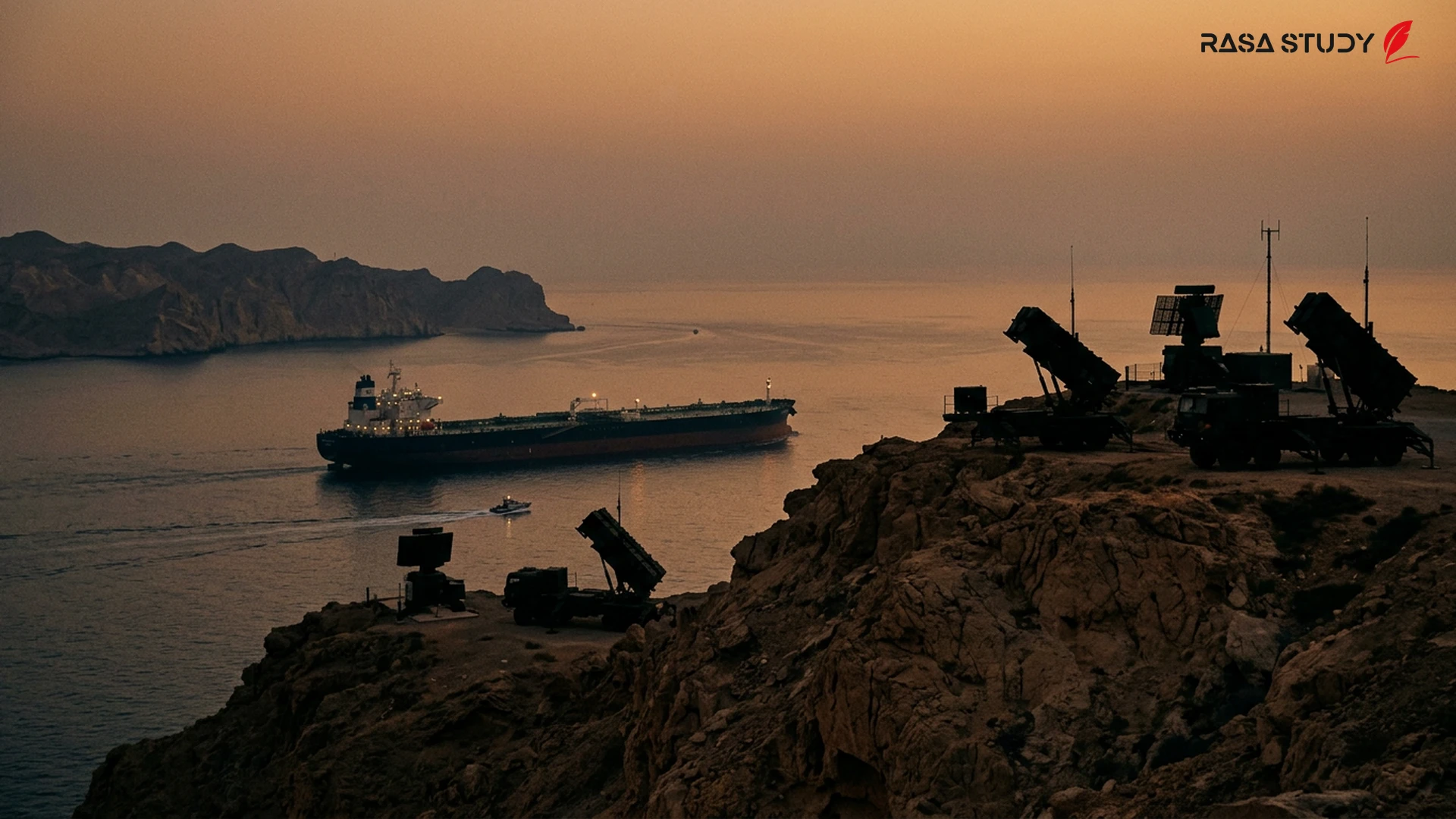
The Strait of Hormuz and Tehran’s Leverage One of the key pillars of this expert's analysis is the strategic role of the Strait of Hormuz. By utilizing its influence in this vital waterway and disrupting energy flows, Iran succeeded in bringing Washington to the negotiating table and accepting a temporary ceasefire in the spring of 2026 [1]. However, Berdibek warns that these agreements are only to buy time. He believes Iran is rebuilding its missile and drone capabilities, while Israel is preparing for strikes that this time may directly target population and political centers.
The Role of Turkey and Global Powers While Russia and China seek to stabilize the status quo to protect their economic interests, Turkey finds itself in a difficult position. Berdibek points out that Ankara is concerned about insecurity spilling over its borders [3]. He predicts that if a new war begins after November, its dimensions will not be limited to Iran and Israel and could transform the entire security architecture of the Middle East. According to him, we are currently in the 'calm before the storm,' and the final months of 2026 will determine the region's fate for decades to come.
Analysts warn of the end of the temporary ceasefire and the start of new conflicts in late 2026.
linkSources
- Araştırmacı-Yazar Berdibek’ten Çarpıcı Analiz: “Kasım’dan sonra İran-İsrail cephesinde yeni bir savaş bekliyorum” — Öz Diyarbakır Gazetesi (2026-07-12)
- 2026 Iran war: Timeline and Consequences — Britannica (2026-07-10)
- US-Israel strikes on Iran: Strategic Lessons for Turkey — Hertaraf (2026-06-20)


