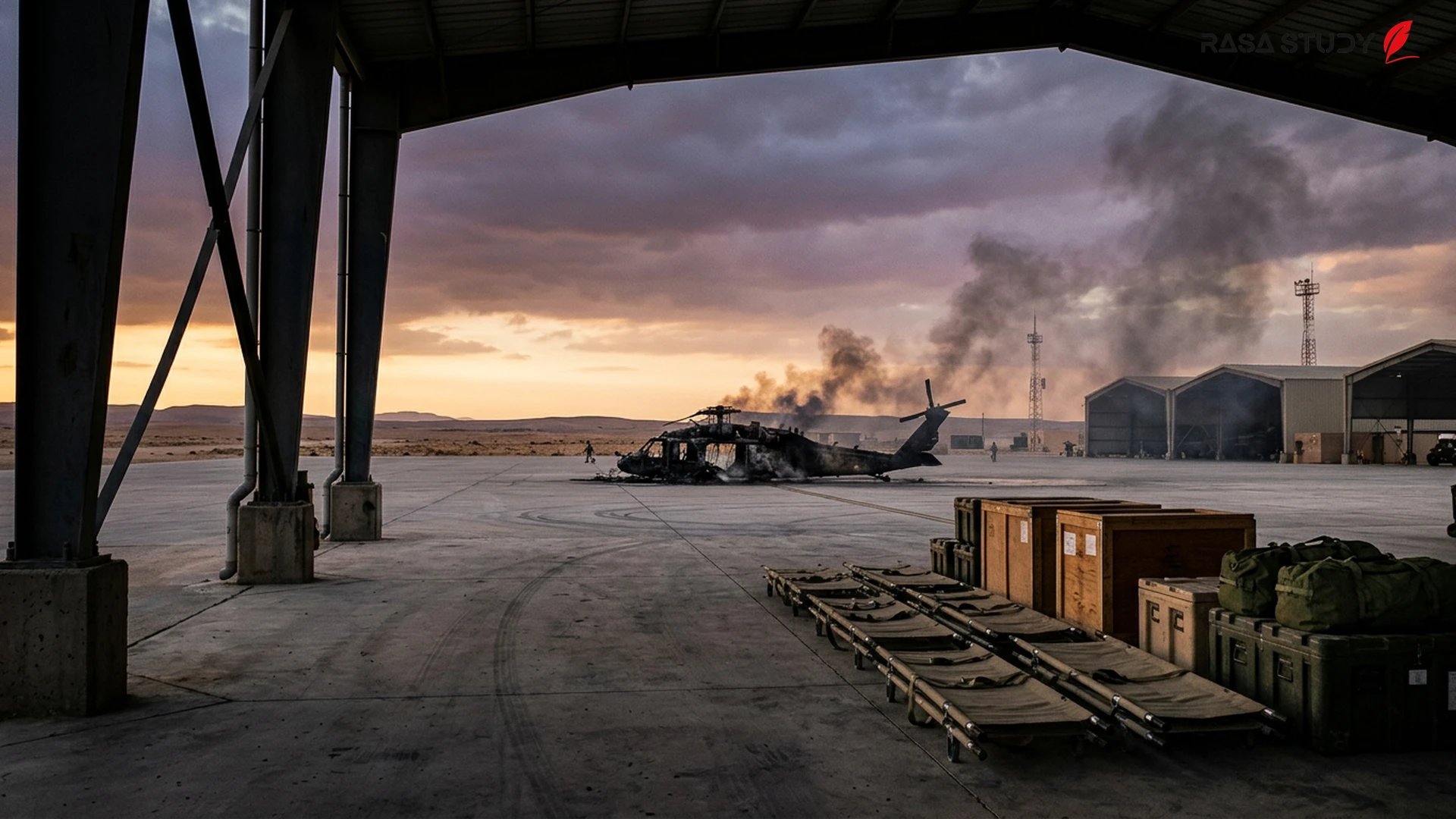
Reports published on June 13, 2026, indicate that despite months of heavy air and cyber attacks by the United States and Israel, Iran's missile capabilities have not only survived but a large portion of its infrastructure has been reconstructed.
Military developments in June 2026 have reached a point that Western analysts and regional media are calling a "Great Admission." According to reports published by the newspaper "Yeni Akit," citing Western diplomatic sources, joint efforts by the United States and Israel to paralyze Iran's missile network during recent conflicts have failed [1].
Strategic Failure of Air Operations Despite the execution of extensive operations designed to destroy launch sites and missile depots, new intelligence assessments show that Tehran has managed to significantly maintain its operational capacity. A report by the Financial Times emphasizes that even after weeks of heavy bombardment, Iran is still capable of firing ballistic missiles and attack drones [1]. This highlights the effectiveness of Iran's "Missile Cities" strategy and underground facilities, which have resisted even the most advanced bunker-buster bombs.
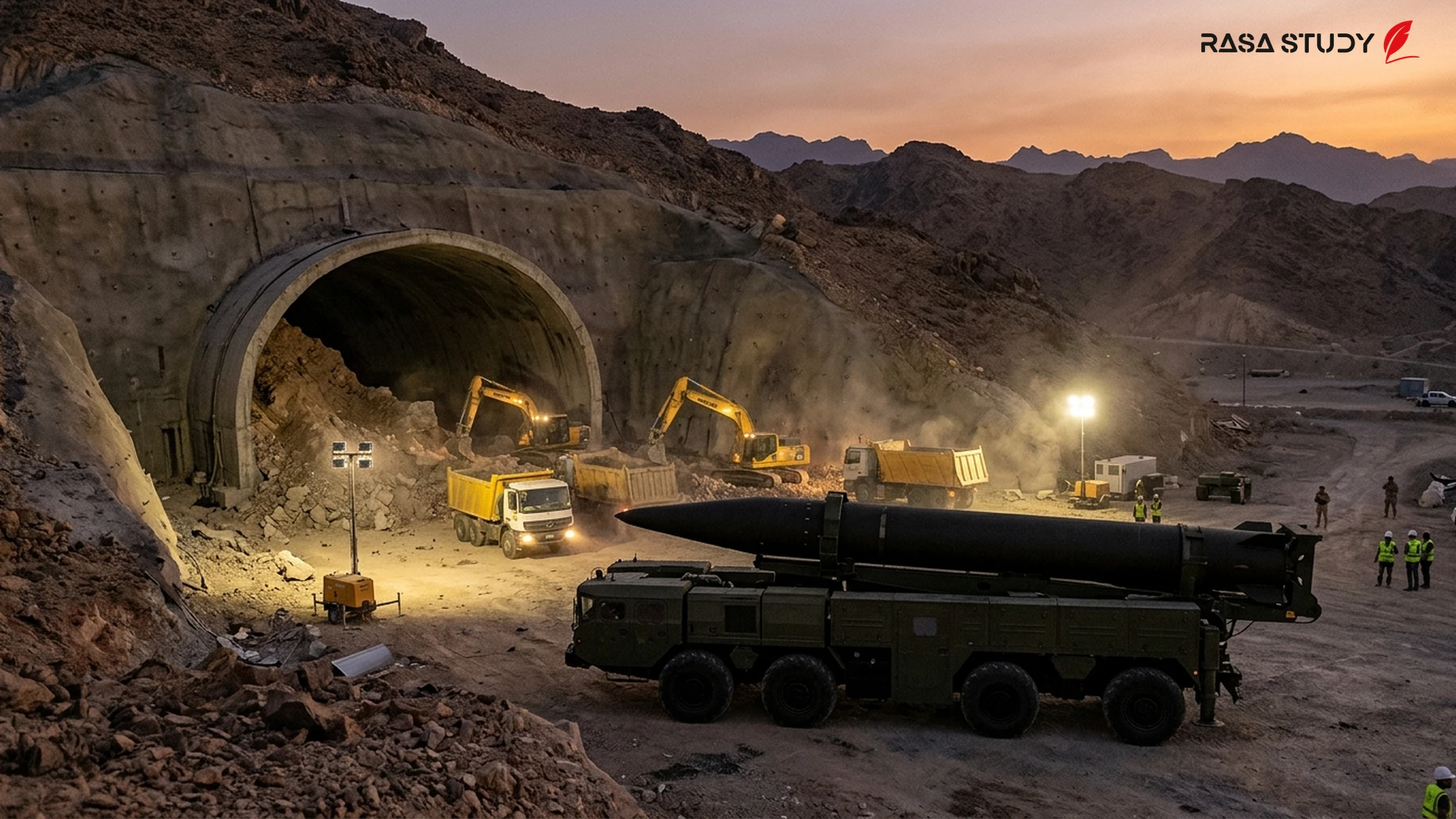
Rapid Reconstruction and Infrastructure Resilience Satellite imagery analyzed in early June 2026 reveals the depth of the attackers' failure. According to these images, Iran succeeded in reconstructing and reopening 50 out of a total of 69 missile tunnel entrances that were targeted during the war in less than a few weeks [3]. Military experts believe the speed of facility reconstruction by Iranian engineering units exceeded the predictions of Western intelligence agencies. This resilience has ensured that an arsenal of over a thousand operational missiles remains a serious threat to regional bases and US allies [3].
Missiles That Won't Be Removed from the Negotiating Table While rumors of reaching a peace agreement or a Memorandum of Understanding (MoU) are circulating, the persistence of Iran's missile power has become a powerful leverage point in negotiations. In the latest 14-point proposal presented by Tehran's negotiating team, no clause for limiting or monitoring the missile program has been included [5]. Abbas Araghchi, Iran's Foreign Minister, explicitly stated that his country has emerged from these conflicts stronger than before and that Iran's defense capabilities will remain a non-negotiable issue [4][2].
Geopolitical Consequences and Military Deadlock The admission of the permanence of Iran's missile power has presented a serious challenge to the US "Forward Defense" military doctrine in the region. Despite CENTCOM's claims of intercepting a large number of drones and missiles in the Strait of Hormuz, the reality on the ground shows that Iran's missile deterrence continues to prevent Washington and Tel Aviv from achieving their ultimate goals of shifting the balance of power [1][6]. This situation has placed the region on the brink of a new order where missile power is established as the main pillar of Iran's national security.
Released images show the resilience of Iranian missile sites despite heavy bombings last month.
linkSources
- Büyük itiraf! 'İran, ABD ve İsrail'in yoğun saldırılarına rağmen füze kapasitesini koruyor' — Yeni Akit Gazetesi (2026-06-13)
- Iran peace deal looms while new military action flares near Strait of Hormuz — Reuters (2026-06-13)
- İran füze üslerini ayağa kaldırdı! Uydu görüntüleri ABD planlarını boşa çıkardı — Yeni Akit (2026-06-01)
- اعتراف نیویورکتایمز: توان موشکی ایران همچنان پرقدرت است — Tasnim News (2026-04-04)
- Iran's 14-Point Proposal Leaves Missile Program Off the Table — The Media Line (2026-06-12)