Recent reports from Tehran, particularly observations by diplomatic delegations at the farewell ceremony for the late Iranian leader, reveal a new face of the "national state" that is rebuilding its authority despite heavy foreign pressure and recent military conflicts.
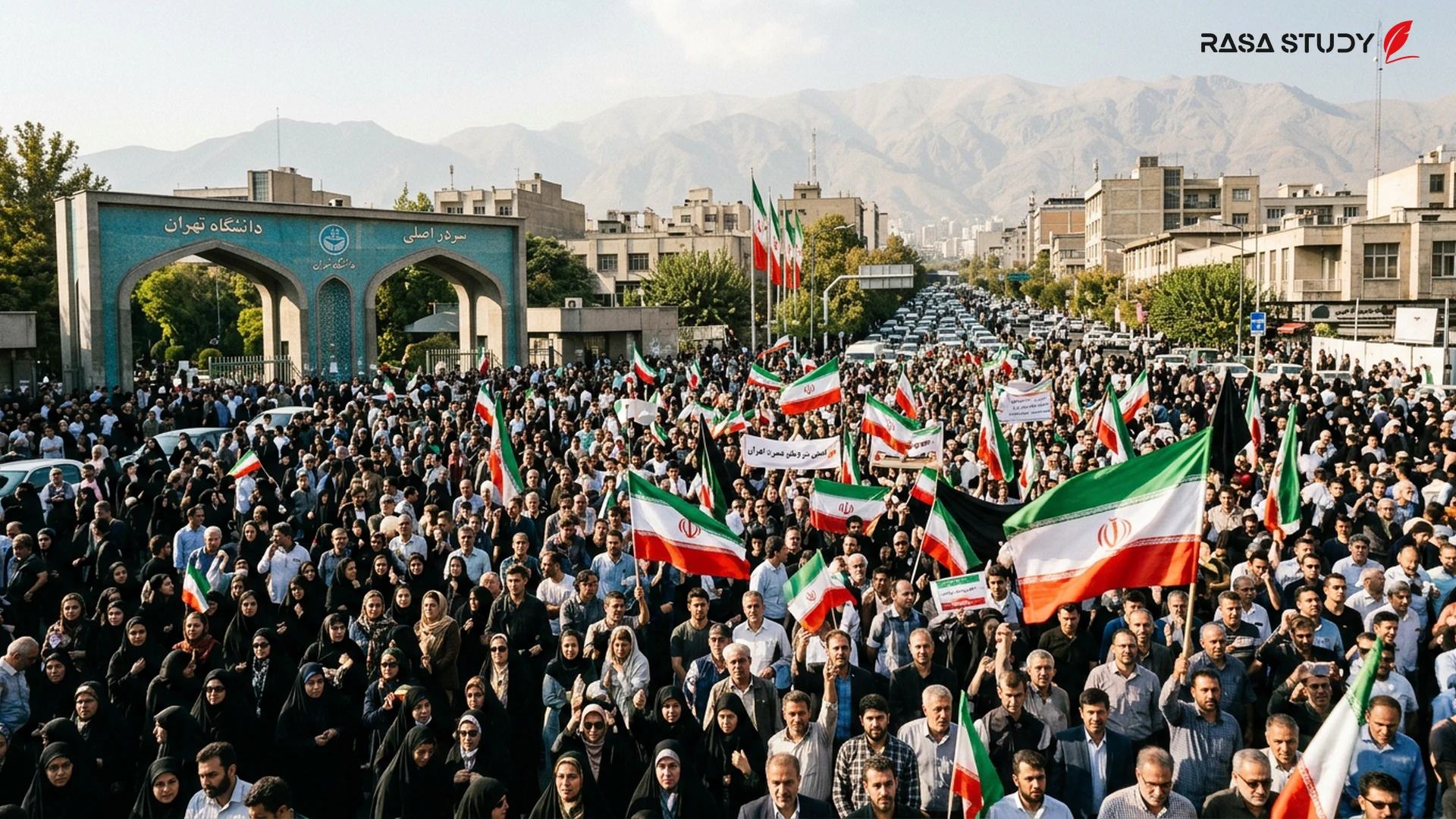
Aydınlık's Observations from the Heart of Tehran in Decisive Days In the early days of July 2026, while Iran was mourning the passing of Ayatollah Khamenei, a delegation from Turkey led by Vatan Party officials visited Tehran. The newspaper Aydınlık, in its special report titled "Impressions of Iran: The National State is Strengthening and Transforming," paints a different picture from what Western media presents [1]. The report emphasizes that contrary to the notion of collapse, the funeral ceremony for the Iranian leader became a stage for demonstrating national cohesion and the reconnection of the people with the sovereign structure.
Beyond Ethnicity; Solidarity of Iranian Turks with the National State One of the key points in recent analyses is the status of ethnic minorities in Iran. The Aydınlık reporter, noting the widespread presence of Iranian Turks in national ceremonies, rejects claims regarding ethnic rifts [1]. Field observations show that the Iranian Turkish community considers itself an inseparable part of the "national state" and has stood against foreign interventions aimed at separatism. This solidarity occurs at a time when border tensions and geopolitical pressures in northwestern Iran had increased in recent months.
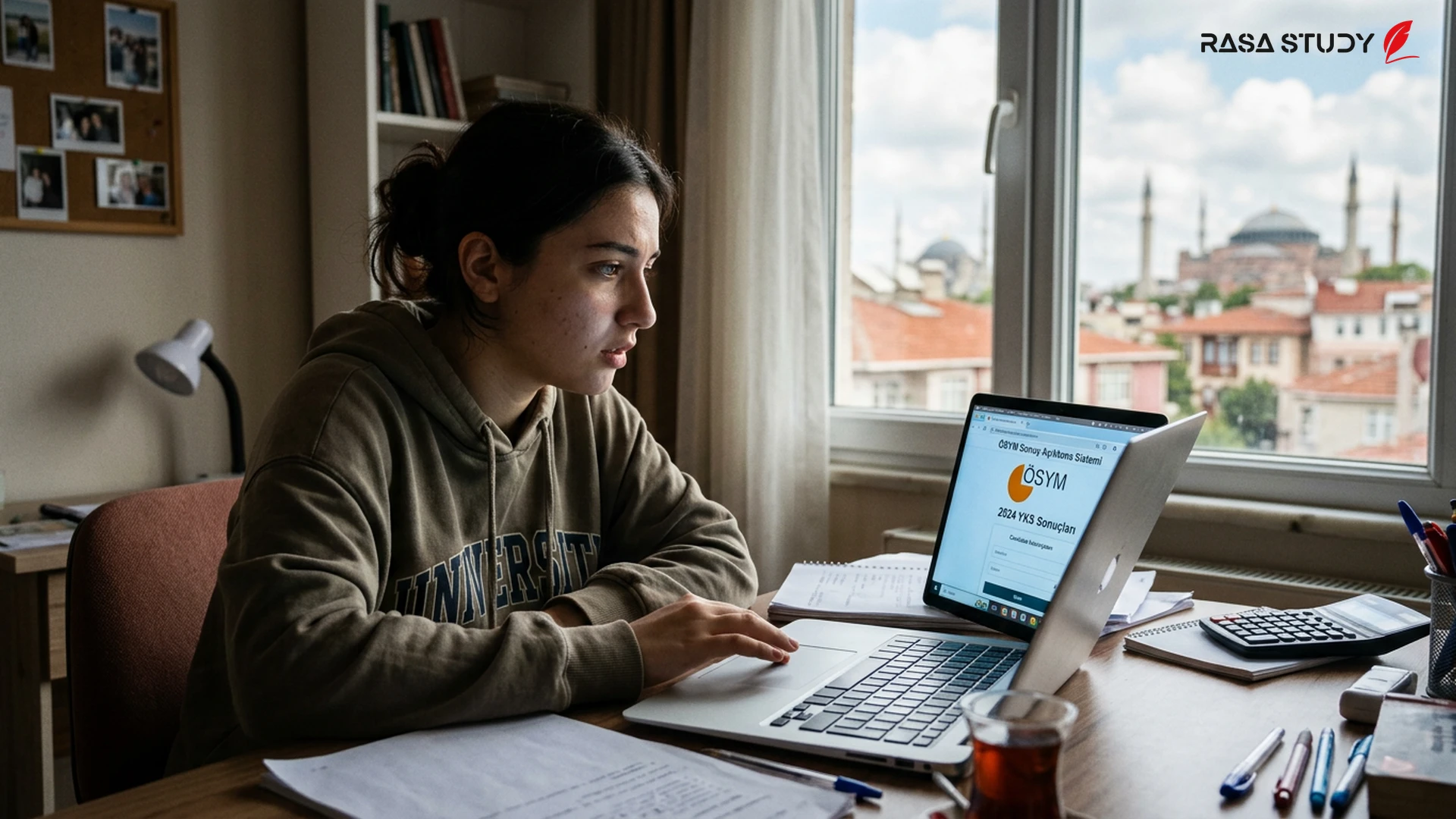
Scientific and Economic Resilience in the Shadow of War and Sanctions In July 2026, Iran is grappling with unprecedented economic challenges. The inflation rate has reached approximately 88%, and the value of the Rial against the Dollar has experienced severe fluctuations [2]. However, visits to scientific centers such as Shahid Beheshti University show significant progress in the fields of nanotechnology and medicine. According to analysts, long-term sanctions have driven Iranian scientists toward self-sufficiency in strategic production, something Aydınlık describes as "turning threats into opportunities" [1].
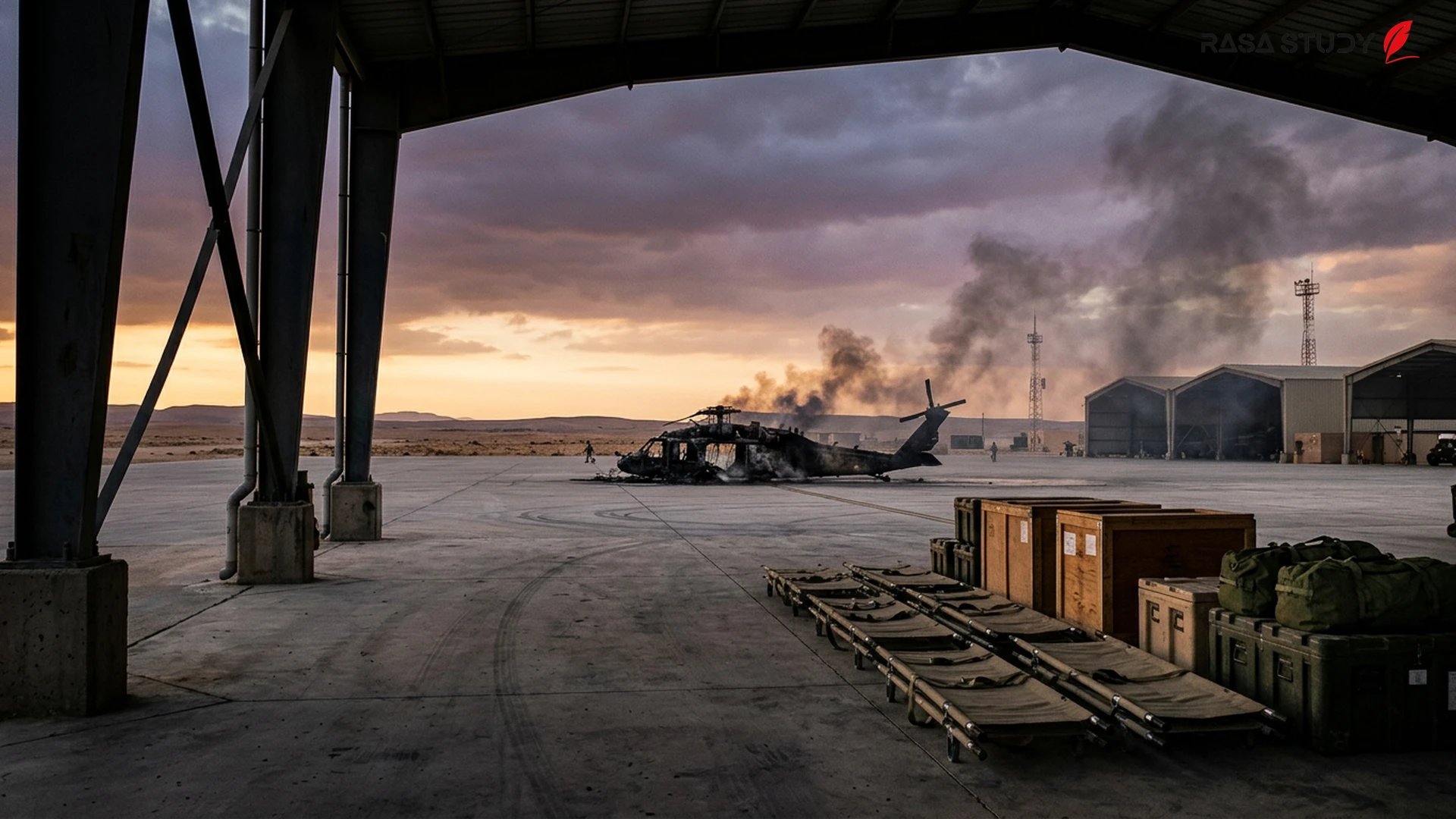
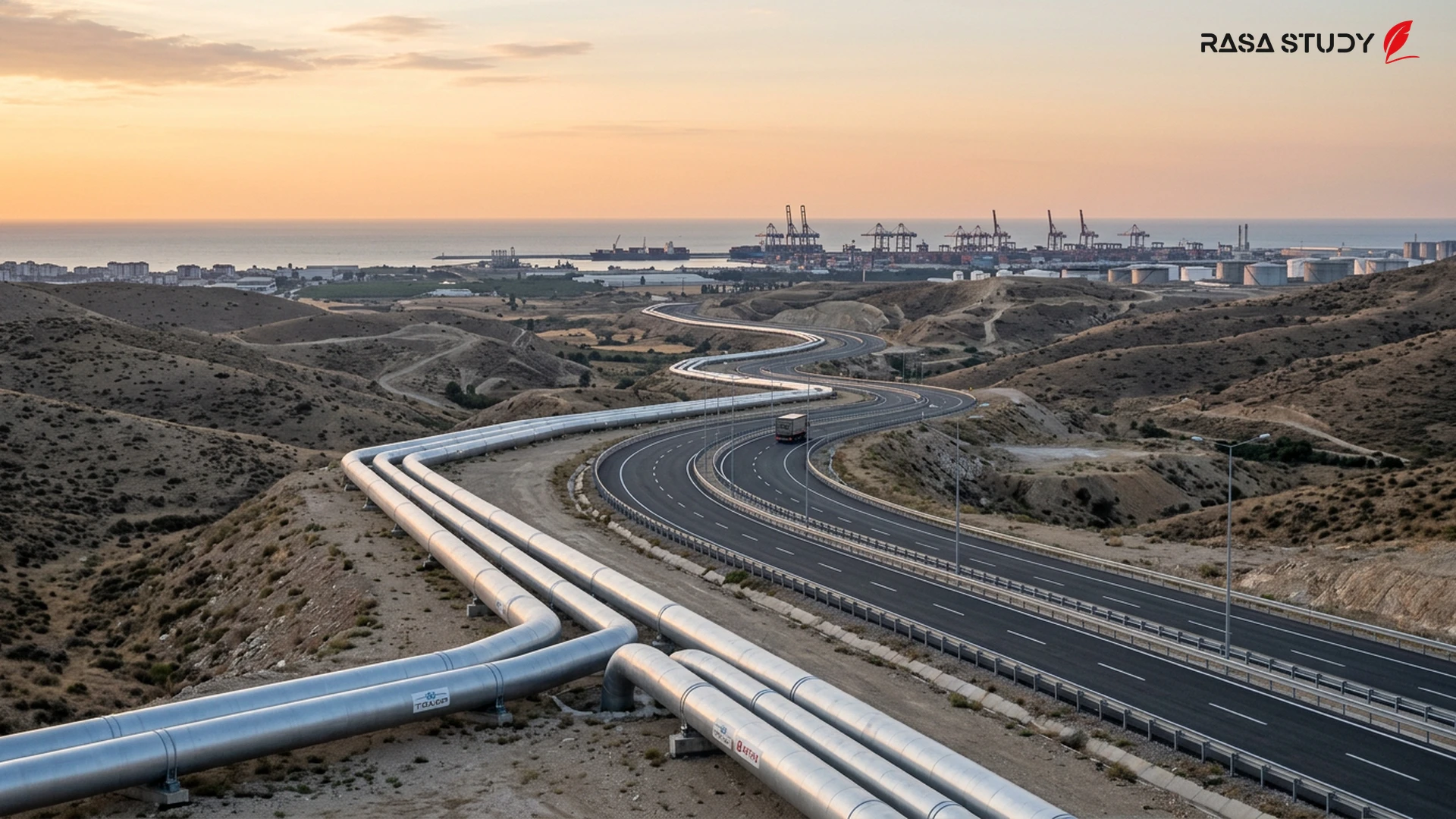
New Geopolitics and Leadership Transition Amidst the Fire The political situation in Iran on July 10, 2026, is tied to the transition of power to Mojtaba Khamenei and military tensions with the United States. Despite a fragile ceasefire agreement, recent US airstrikes on Iran's southern provinces and the IRGC's missile responses have put the region on high alert [4]. Meanwhile, Iran has attempted to redefine its regional influence under the banner of the "Axis of Resistance" by holding transnational ceremonies in Najaf and Karbala, showing that the evolution of the national state does not mean a retreat from strategic positions [3]. This transition period is considered a major test for the stability of Iran's political structures in the new century.
National ceremonies in Tehran in July 2026 represent a new stage of political evolution in Iran.
linkSources
- İran izlenimleri: Güçlenen ve dönüşen milli devlet — Aydınlık (2026-07-10)
- Tehran’s fragile truce remains tested after funeral of Supreme Leader — Al Jazeera (2026-07-08)
- Iran uses Khamenei funeral in Iraq to claim regional reach — Iran International (2026-07-09)
- US strikes on Iran southern provinces amid maritime tensions — EADaily (2026-07-08)