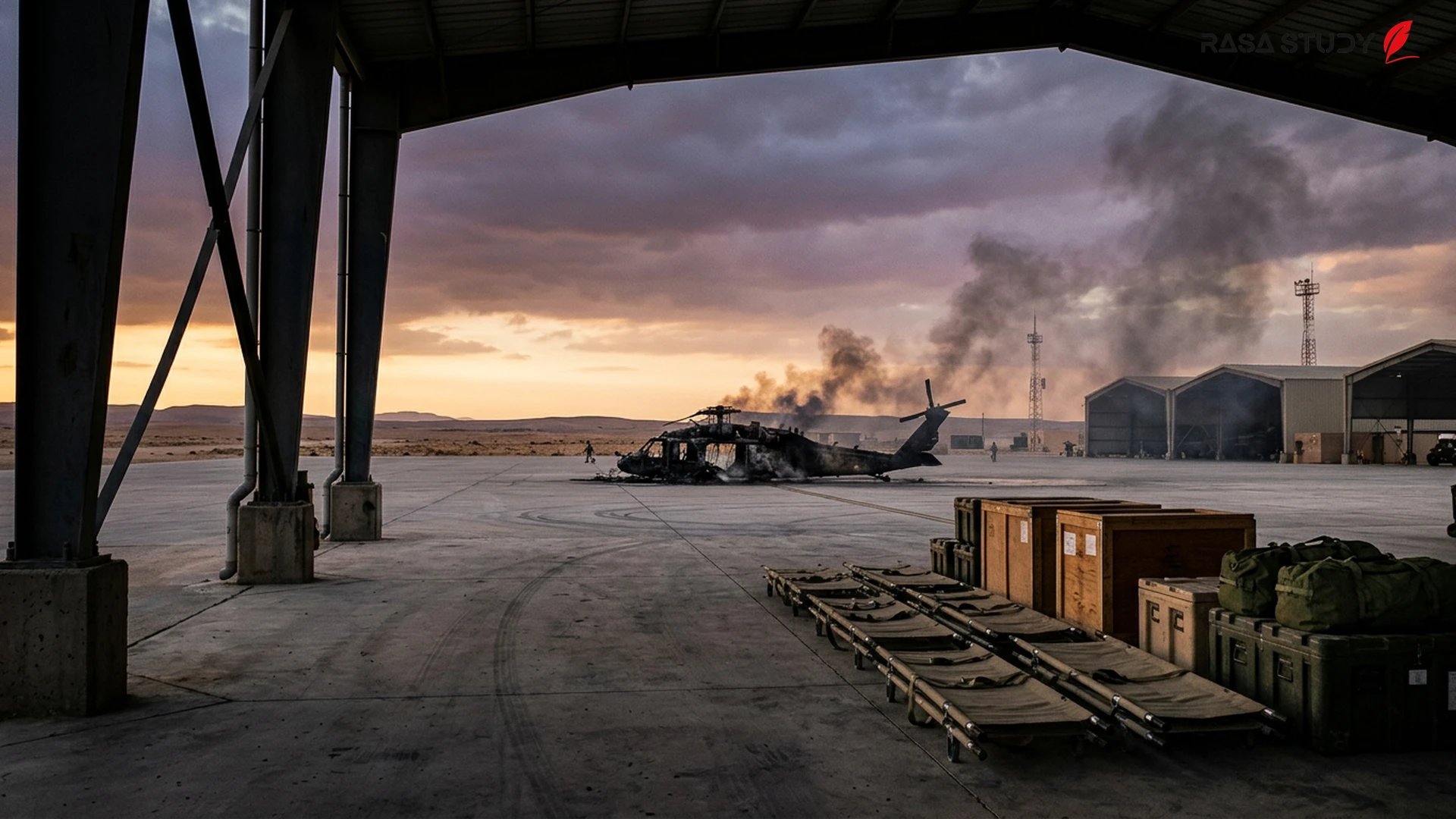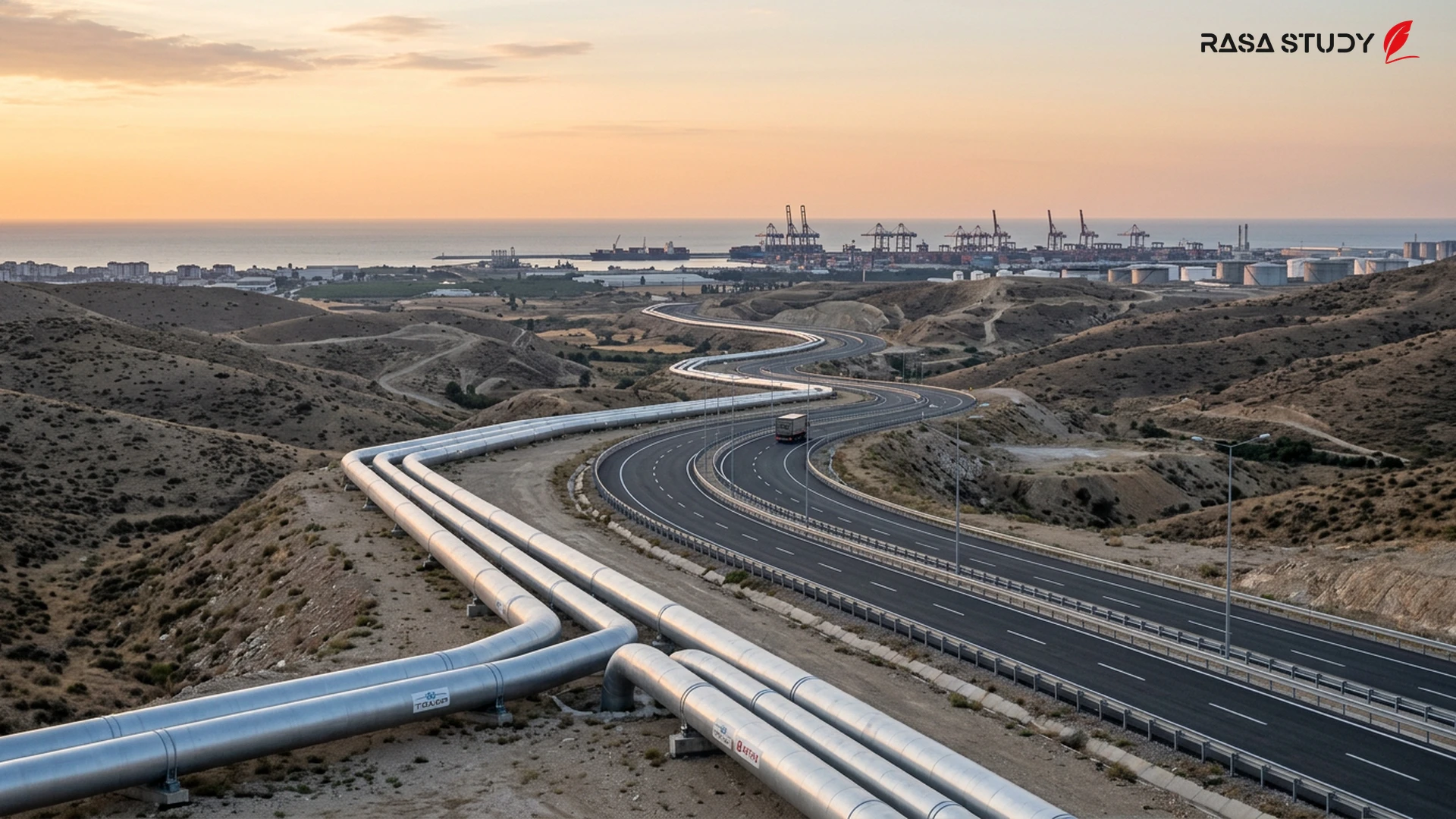
Iranian military officials and official media announced that any cooperation with United States plans to establish a naval blockade against Iran will be considered direct participation in Washington's hostile actions and will result in an appropriate response.
Escalation of Tensions in Regional Waters Following recent United States movements to limit Iran's trade and energy routes, Tasnim News Agency and other official sources in Tehran have issued sharp warnings. According to reports published on July 17, 2026, Iran has explicitly stated that any country cooperating with Washington in the "naval blockade" plan against the Islamic Republic will be recognized as an "accomplice" of the United States [1]. This stance indicates a shift in Tehran's tone toward a more active deterrence strategy against increasing international pressure.
Legal and Military Dimensions of "Complicity in Crime" From the perspective of Tehran officials, a naval blockade is considered not only an economic measure but an unofficial declaration of war. Recent statements emphasized that the cooperation of neighboring countries or trans-regional powers in this plan is a clear violation of international law and Iran's national sovereignty [2]. Iran warned that if such plans are implemented, it reserves the right to respond within the framework of legitimate defense. This response could include targeting the interests of countries that provide their infrastructure to US-led naval coalitions.
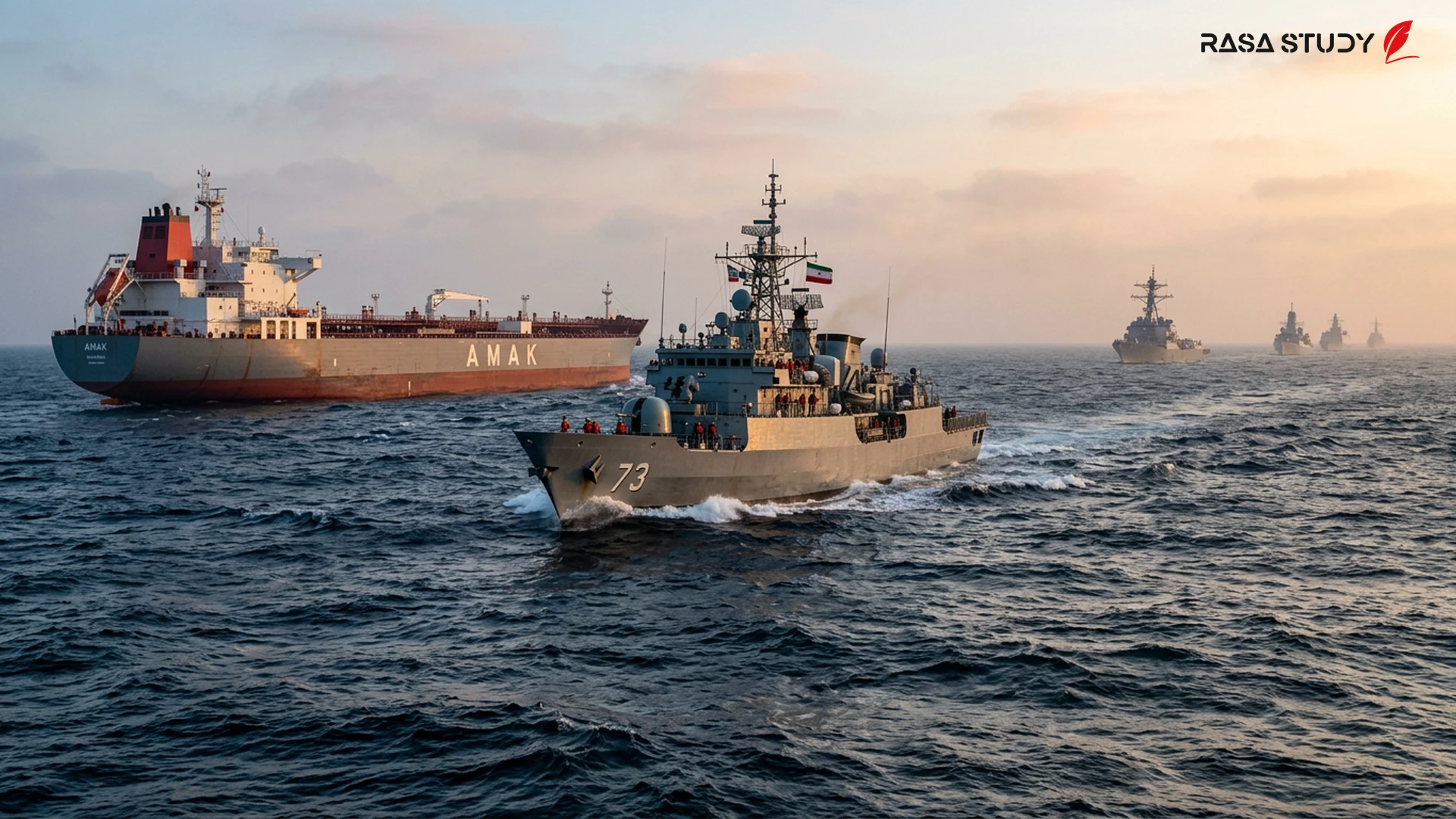
Reactions to US Naval Movements The United States has attempted in recent weeks to create a new coalition to monitor and limit Iranian exports in the Persian Gulf and the Sea of Oman [3]. These actions, carried out under the title of "ensuring maritime security," have been described by Tehran as a cover for an illegal blockade. Analysts believe this level of warning from Iran is a direct message to regional capitals to avoid entering any security arrangements that directly target Iran's economic interests.
Energy Security and Stability in the Strait of Hormuz The Strait of Hormuz, as one of the world's most vital waterways, is once again in the spotlight. Iran has repeatedly stated that the security of this region must be provided by coastal countries and that the presence of foreign forces only fuels instability [2]. The threat to consider cooperation with the US as "complicity in crime" puts heavy diplomatic pressure on Persian Gulf countries trying to balance their relations between Washington and Tehran. Any disruption in this region could severely affect global energy prices and create new crises in international markets.
Naval tensions between Iran and the US reached their peak in July 2026.
linkSources
- İran'a Yönelik Deniz Ablukasına Destek ABD'ye Suç Ortaklığı Sayılacak — Tasnim News Agency (2026-07-16)
- هشدار ایران به کشورهای منطقه درباره همکاری با ائتلافهای دریایی آمریکا — IRNA (2026-07-17)
- Tensions Rise in the Persian Gulf as US Proposes New Maritime Restrictions — Al Jazeera (2026-07-15)