As tensions in the Persian Gulf reach their peak, new reports reveal Iran’s four-stage emergency plans to rebuild its military power using an asymmetric and technology-driven approach.
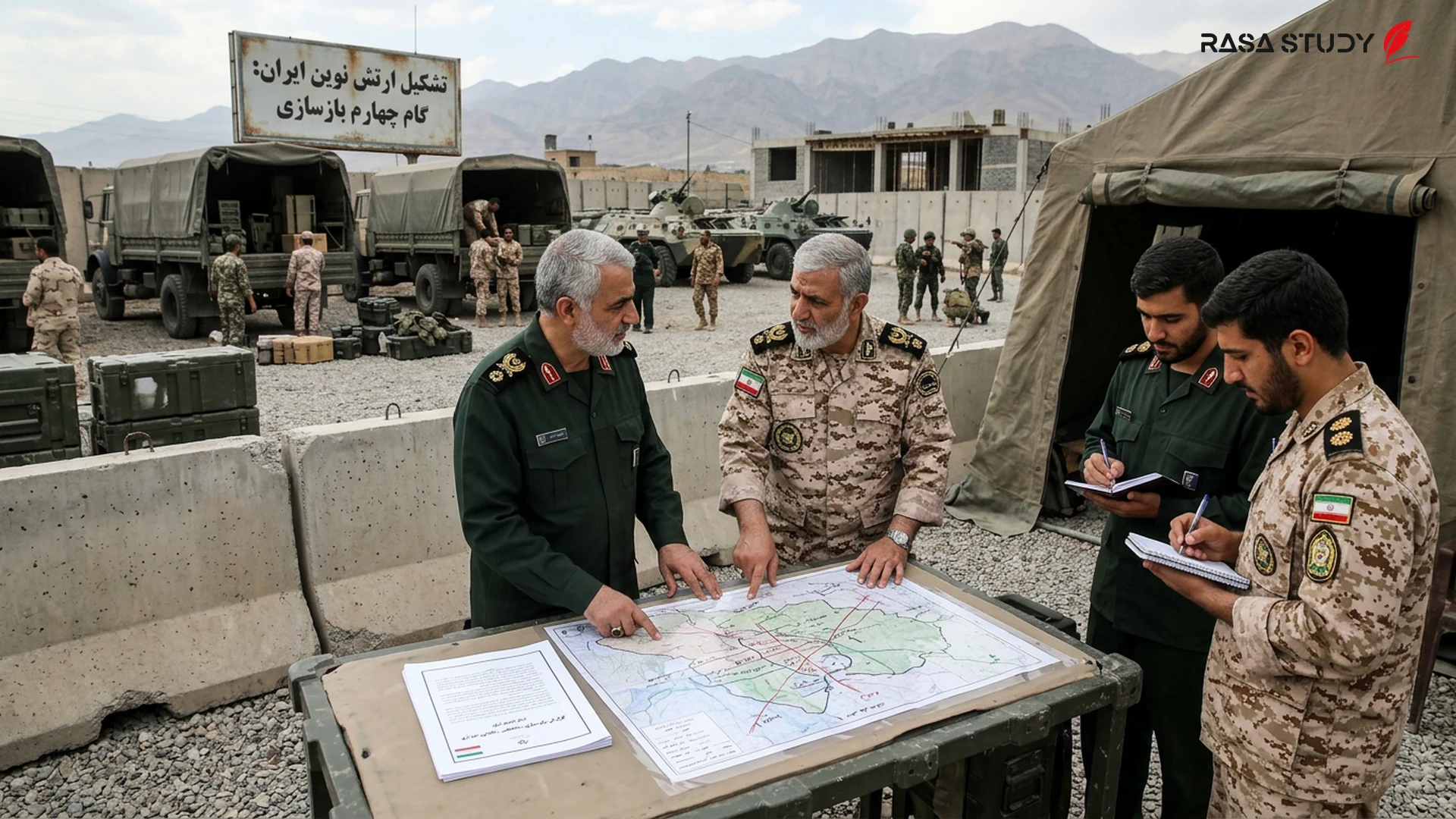
Today, July 14, 2026, the Middle East stands at one of its most critical historical junctures. Following weeks of sporadic clashes and violations of international agreements, new analyses from regional media, including Turkey’s GZT network, have unveiled Tehran’s new military strategy. These reports indicate that in response to damages from airstrikes in recent months, Iran has implemented a “four-stage emergency plan” to reconstruct its defense structure, which some view as a prelude to the formation of a new army [1].
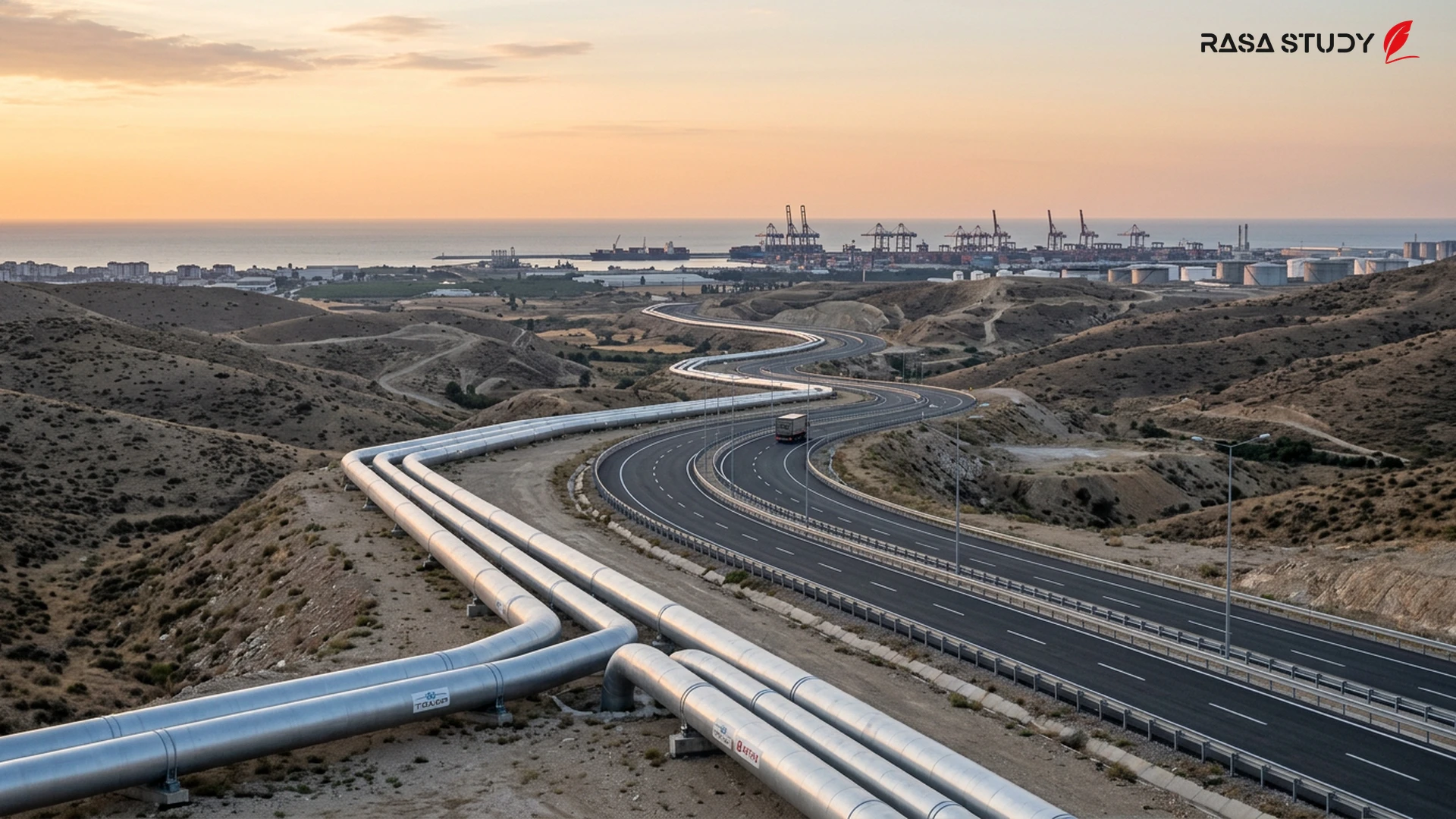
The Four Pillars of Iran’s Emergency Strategy Based on published analyses, Tehran has focused on four main axes to restore its damaged deterrence. These four plans include: 1. Reconstruction and Strengthening of Strategic Ports: Modernizing maritime infrastructure to ensure the continuity of exports and logistical operations. 2. Revitalization of Underground Missile Cities: Moving a large portion of offensive capabilities deep underground to remain immune from precision airstrikes [1][4]. 3. Extensive Modernization of the Drone Fleet: Focusing on next-generation suicide and reconnaissance drones equipped with artificial intelligence capabilities. 4. Establishing Sovereignty over the Strait of Hormuz: Creating a centralized management system to control traffic and impose transit tariffs, which has become a primary point of contention with Washington [3].
Mosaic Defense Doctrine and the Technology-Driven Army Intelligence reports show that Iran has moved away from the traditional classical army model toward “Mosaic Defense.” In this model, military units operate in a decentralized manner to remain capable of continuing operations even if communication with the center is severed [2]. This structural shift is a response to precision strikes by the United States and Israel in early 2026, which targeted significant portions of Iran’s central command. Now, a new generation of technocratic and pragmatic commanders is redefining the concept of military power in Iran, emphasizing technological efficiency over ideology.
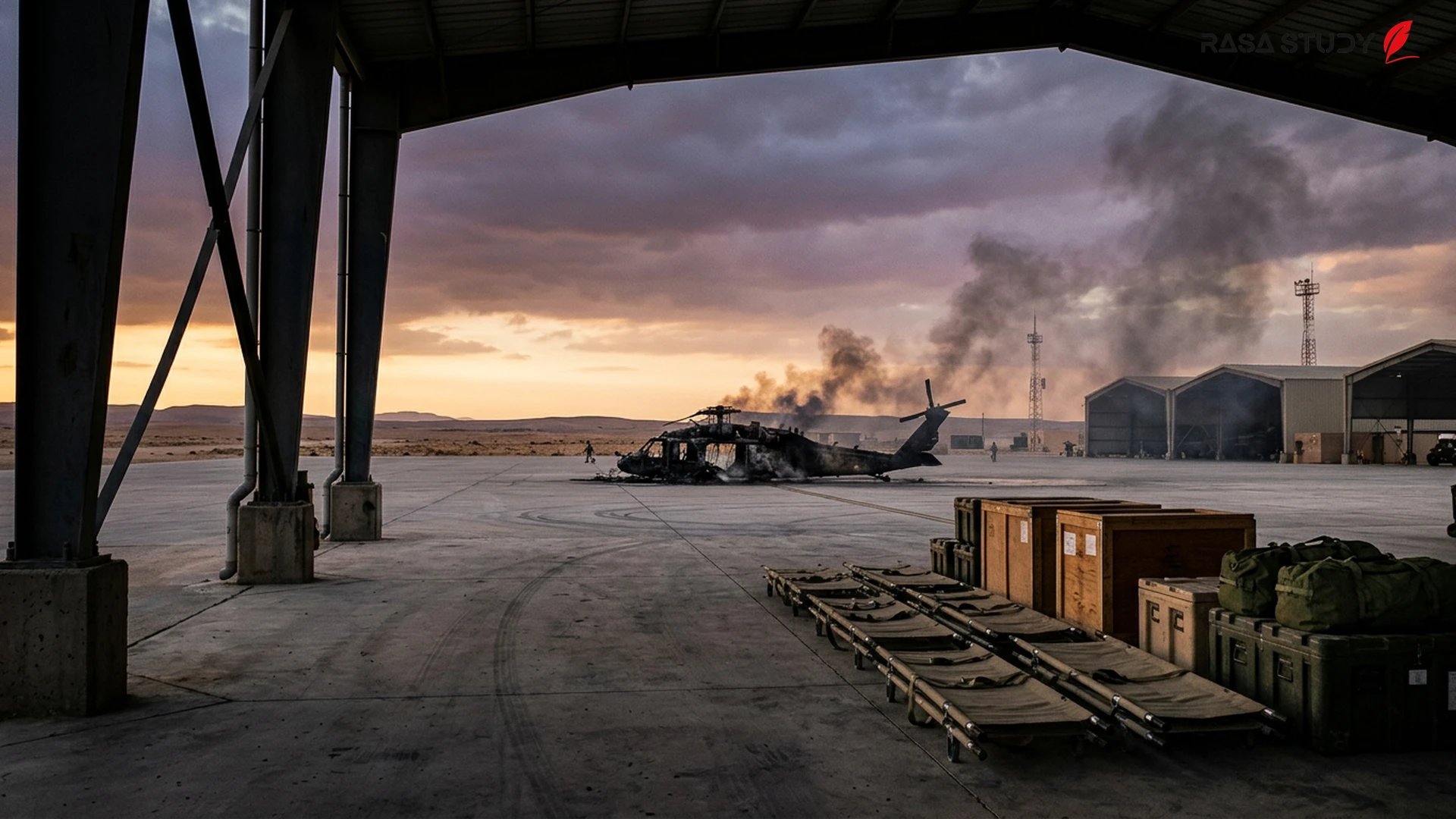
Regional Implications and Confrontation in the Persian Gulf The implementation of these emergency plans coincides with escalating tensions on the battlefield. Reports today indicate that Iranian forces have carried out retaliatory strikes against United States bases in Jordan and Bahrain [4]. On the other hand, Iran’s attempt to impose new protocols in the Strait of Hormuz has drawn a sharp reaction from the Trump administration and regional allies. Analysts believe that by utilizing this new asymmetric army, Tehran seeks to turn the conflict into a war of attrition and raise the economic costs for its rivals to force them back to the negotiating table [3][2].
Iran's military doctrine shift toward asymmetric and technology-driven warfare in the summer of 2026.
linkSources
- 4 acil plan ortaya çıktı: İran yeni ordu mu kuruyor? — GZT (2026-07-14)
- Iran Update Special Report: July 12, 2026 — ISW (2026-07-12)
- The 2026 Iran Conflict: A Timeline of Escalation — Britannica (2026-07-13)
- JINSA Iran War Update: July 11–13, 2026 — JINSA (2026-07-13)