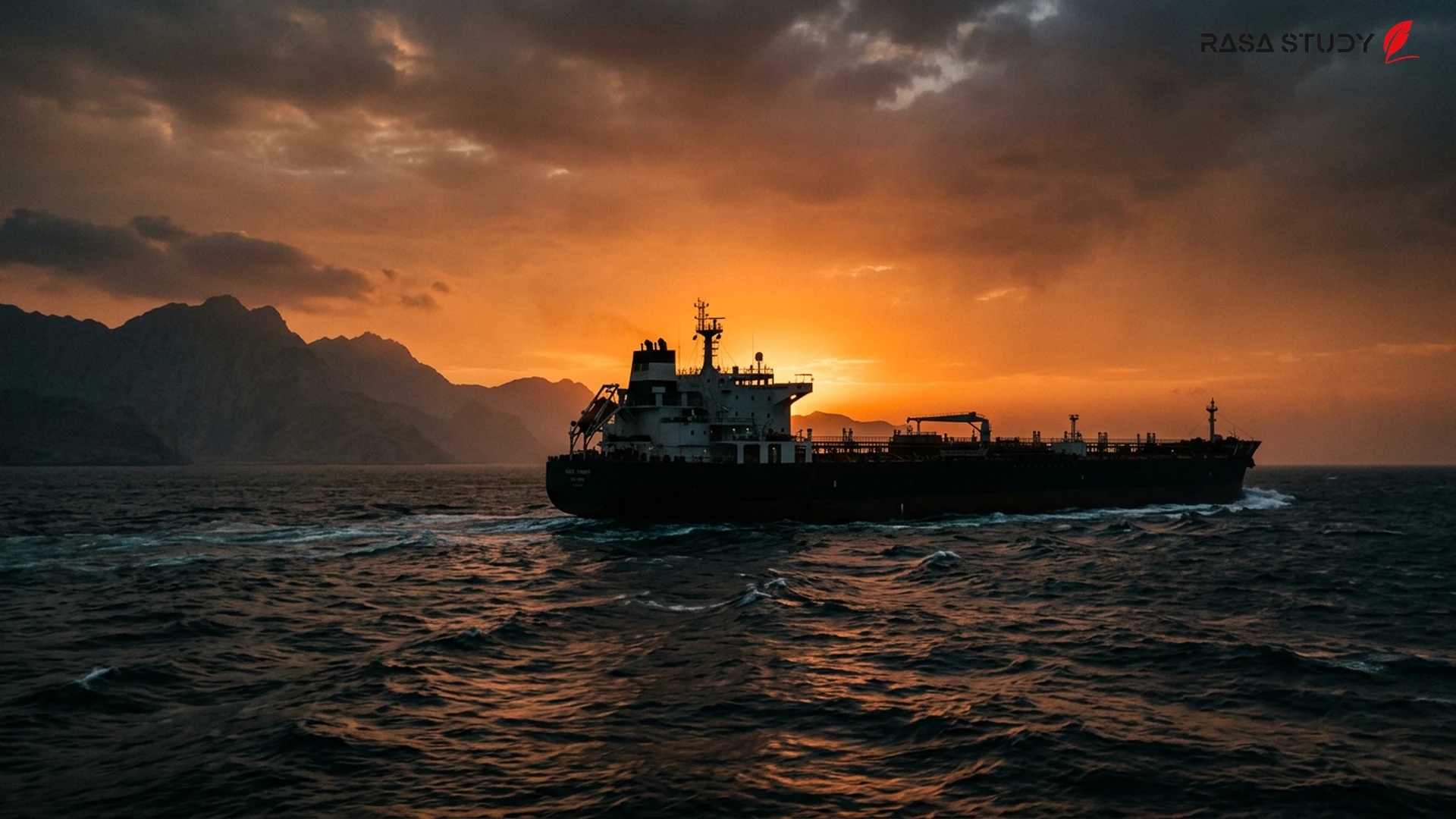
Mohsen Paknejad, Iran's Oil Minister, emphasized today, July 14, 2026, that the country's crude oil export process is proceeding without any disruption despite Washington's recent decision to cancel 60-day waivers.
Export Stability Against New Washington Pressures Following the escalation of diplomatic tensions between Tehran and Washington, Mohsen Paknejad, Iran's Oil Minister, announced in an official statement that the country's oil exports are continuing as usual. He specified on his Telegram channel that the Ministry of Petroleum has created the necessary mechanisms over the past years to neutralize the impact of United States sanctions, and the recent cancellation of waivers will not create any problems in the oil sales process [1][5]. These remarks come as the US Treasury Department canceled the 60-day waivers last week, which were part of a temporary agreement.
Violation of the Islamabad Memorandum and Tehran's Reaction Current tensions are rooted in the violation of the clauses of the "Cessation of Hostilities Memorandum" signed on June 18, 2026, in Islamabad between Masoud Pezeshkian and Donald Trump. Iranian officials believe that the cancellation of oil waivers by the Trump administration is a clear violation of Article 10 of this memorandum, which required Washington to issue permits for Iran's oil exports and banking services [2][4]. Paknejad emphasized that Iran never suspended its export mechanisms in hopes of these waivers and is now delivering its oil cargoes to global markets relying on the same infrastructure.
Stunning Export Statistics in July Tanker tracking reports confirm the validity of Tehran's claims. According to data from the institute "TankerTrackers," Iran exported more than 80 million barrels of crude oil and petroleum products during a 26-day period after the signing of the Islamabad Memorandum [3][6]. The value of these exports is estimated at over $6 billion. It is also reported that in addition to moving cargoes, Iran has approximately 60 million barrels of floating storage capacity in regional waters, acting as a buffer against potential restrictions.
Critical Situation in the Strait of Hormuz Despite the continuity of exports, the situation in the Strait of Hormuz has once again reached a critical stage. Following recent attacks on several tankers and retaliatory missile strikes, Donald Trump has ordered the return of the blockade on Iranian ports and the imposition of a 20% tariff on all cargoes passing through this strait [5]. However, the Iranian Oil Minister assured that alternative export routes and Navy security protocols guarantee the safety of the energy flow. Global markets are closely monitoring these developments, as any serious disruption in this vital bottleneck could drive Brent oil prices to unprecedented levels [4].
Iran's Oil Minister announced that the country's export mechanisms are resilient against new pressures from Washington.
linkSources
- Iran says oil exports continue despite cancellation of US waivers — Dawn (2026-07-14)
- İran: Petrol ihracatımız kesintisiz devam ediyor — Diken (2026-07-14)
- Iran Exports More Than 80 Million Barrels of Oil in 26 Days — WANA News Agency (2026-07-14)
- Iran continues oil exports, minister says — Trend News Agency (2026-07-14)
- Iran says oil exports continue despite cancellation of US sanctions waivers — The Times of Israel (2026-07-14)


