Following the CENTCOM security meeting in Bahrain, Iran's Deputy Foreign Minister Kazem Gharibabadi reacted sharply to United States efforts to manage Persian Gulf security, emphasizing that the Strait of Hormuz is under Iranian sovereignty.
Tehran's Official Reaction to the Manama Military Meeting On July 2, 2026, Kazem Gharibabadi, Deputy Minister for Legal and International Affairs of the Iranian Ministry of Foreign Affairs, questioned the legitimacy of the recent United States Central Command (CENTCOM) meeting in Bahrain. In a message published on social media, he emphasized that holding such meetings with the presence of regional military officials under US leadership cannot create a legal order or sustainable security for the Persian Gulf [1][3].
This reaction came after CENTCOM announced it had held a meeting in Manama with senior military officials from 11 regional countries, including Saudi Arabia, the United Arab Emirates, Qatar, and Egypt. The stated goal of the meeting was to examine security challenges and ensure freedom of navigation in the Strait of Hormuz [4].
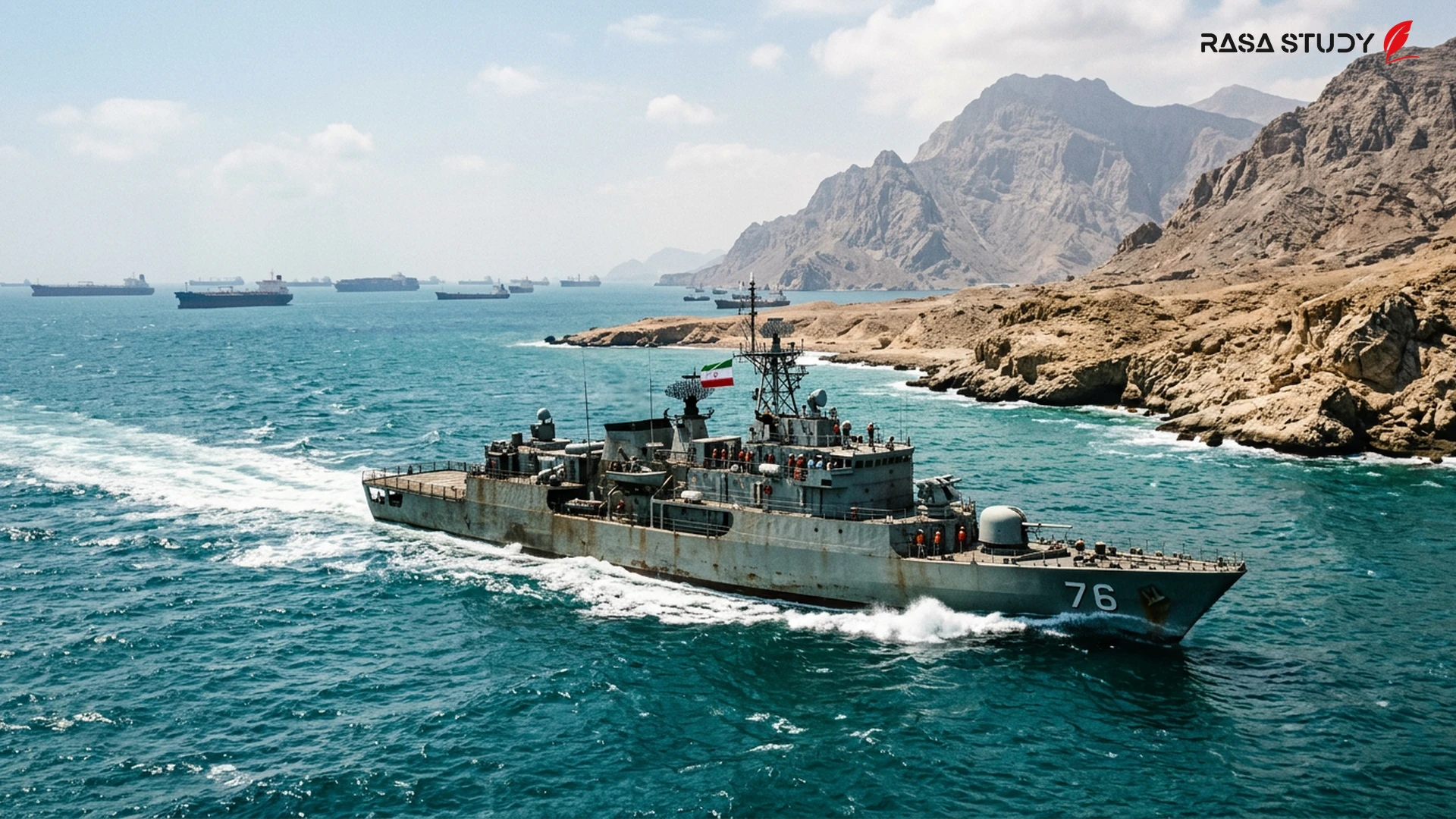
Sovereignty over the Strait of Hormuz; Iran's Red Line One of the main pillars of Iran's protest is CENTCOM's claim regarding the monitoring of maritime security in the Strait of Hormuz. In his statement, Gharibabadi explicitly declared: "The Strait of Hormuz is defined under Iran's command, not CENTCOM's" [1][5]. He added that any security arrangements in this strategic waterway must center on coastal states and be based on the region's geopolitical realities.
Regional media have reported that these statements come while tensions over energy transit routes remain high following conflicts in recent months. Iran has repeatedly warned that the presence of extra-regional forces in this waterway is itself the primary cause of instability and insecurity [2][3].
Critique of the 'US Military Umbrella' and the Need for Foreign Troop Withdrawal The Islamic Republic of Iran once again emphasized its traditional position on the necessity of US forces withdrawing from the region. Gharibabadi noted that regional security is only achieved by ending foreign interventions, respecting national sovereignty, and accepting new geopolitical realities, not under the "US military umbrella" [1][2].
Tehran believes that imported security models proposed by Washington serve only the interests of the United States and the Zionist regime, creating rifts among neighboring countries instead of convergence [5].
Diplomatic Context and Ongoing Negotiations This verbal tension occurs while technical negotiations between Iran and the United States, mediated by Qatar and Pakistan, are underway in Doha. The goal of these talks is to reach a sustainable agreement to end recent conflicts and fully reopen trade routes [4]. However, the sharp positions of Iranian officials show that Tehran is not ready to make any concessions to Western parties or CENTCOM-led coalitions regarding its sovereignty over territorial waters and the management of the Strait of Hormuz [3][5].
Iran once again emphasized its exclusive sovereignty over the Strait of Hormuz and rejected the presence of CENTCOM.
linkSources
- غریب آبادی: تنگه هرمز زیر فرمان ایران تعریف میشود نه سنتکام — خبرگزاری مهر (2026-07-02)
- İran’dan CENTCOM toplantısına sert tepki: Güvenlik ABD şemsiyesiyle sağlanamaz — Cumhuriyet (2026-07-02)
- Gharibabadi: Strait of Hormuz is under Iran's command not CENTCOM — Pars Today (2026-07-02)
- US-led Bahrain talks focus on Hormuz shipping, Mideast defense: CENTCOM — Anadolu Agency (2026-07-01)