Esmaeil Baghaei, spokesperson for the Iranian Ministry of Foreign Affairs, in a sharp reaction to Antonio Guterres' statements, described accusing Tehran following recent tensions in the Strait of Hormuz as an 'irresponsible' and 'incorrect' act, emphasizing the right to legitimate defense.
Following an unprecedented increase in military tensions in the Persian Gulf and the Strait of Hormuz, the Islamic Republic of Iran reacted strongly to recent statements by UN Secretary-General Antonio Guterres. Tehran described accusing Iran regarding attacks on commercial vessels as an "irresponsible" act detached from field realities [1][2]. This diplomatic confrontation occurs as field clashes between Iranian and American forces in one of the world's most strategic waterways have reached their peak.
Unprecedented Tensions in the Strait of Hormuz and UN Reaction Antonio Guterres, in a statement released Sunday, expressed deep concern over the escalation of military clashes between Iran and the United States. He specifically pointed to reported attacks on ships in the Strait of Hormuz and retaliatory airstrikes, calling for an immediate halt to all military operations [5]. Guterres warned that a return to full-scale war could have catastrophic consequences for global peace and the international economy, particularly in the energy sector. He urged both sides to exercise full restraint and avoid escalatory actions [3][4].
Baghaei: Accusing Iran is Irresponsible and Unfair Esmaeil Baghaei, spokesperson for the Iranian Ministry of Foreign Affairs, responded to this stance by publishing a message on social media, calling the Secretary-General's remarks unfair and biased. Baghaei emphasized that accusing a country defending its sovereignty and territorial integrity against foreign aggression not only fails to help resolve the crisis but also demonstrates an irresponsible approach [1][2]. He noted that Iran's actions were carried out within the framework of "legitimate defense" and based on international law, and that Tehran has never initiated conflict [3].
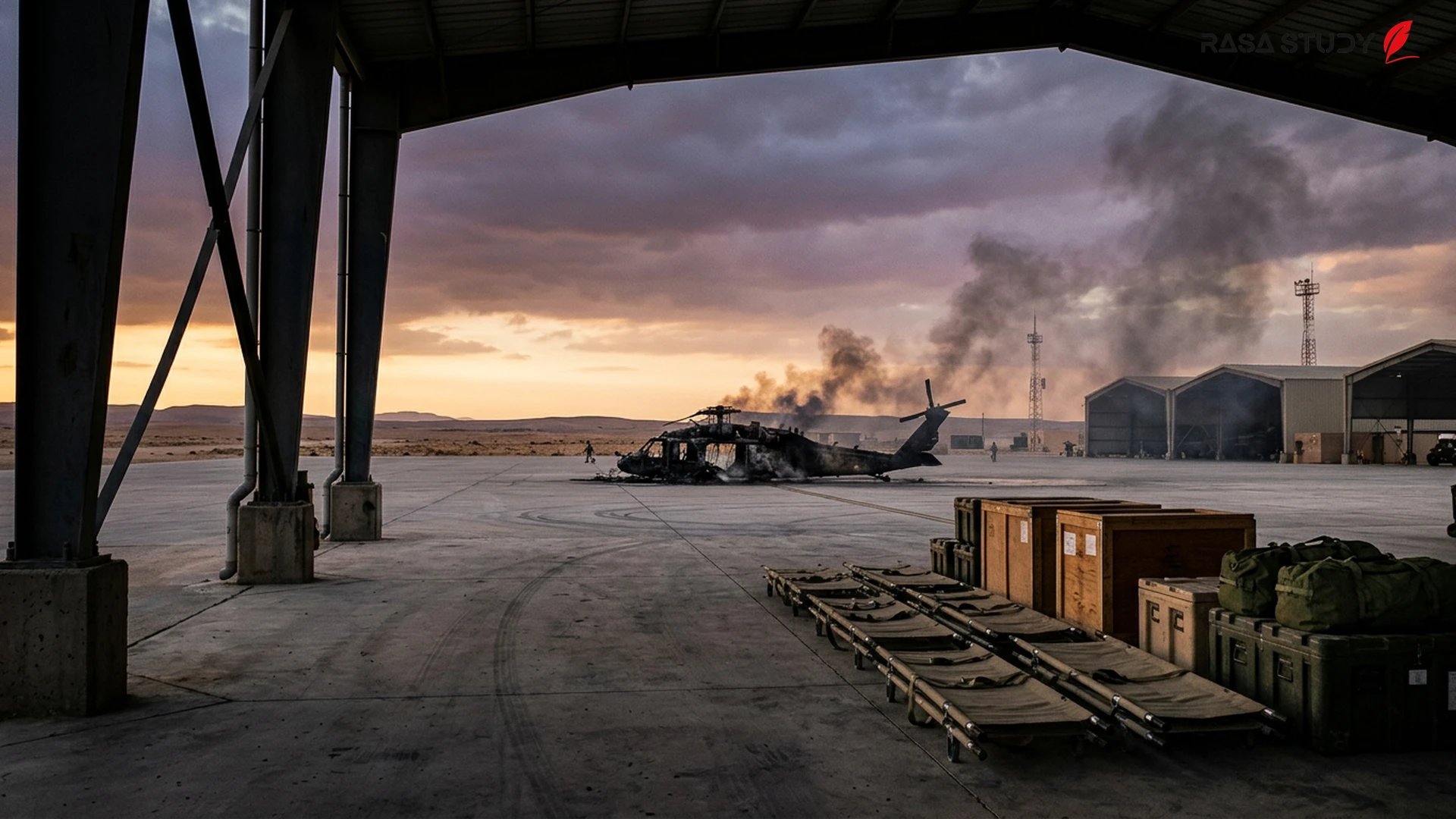
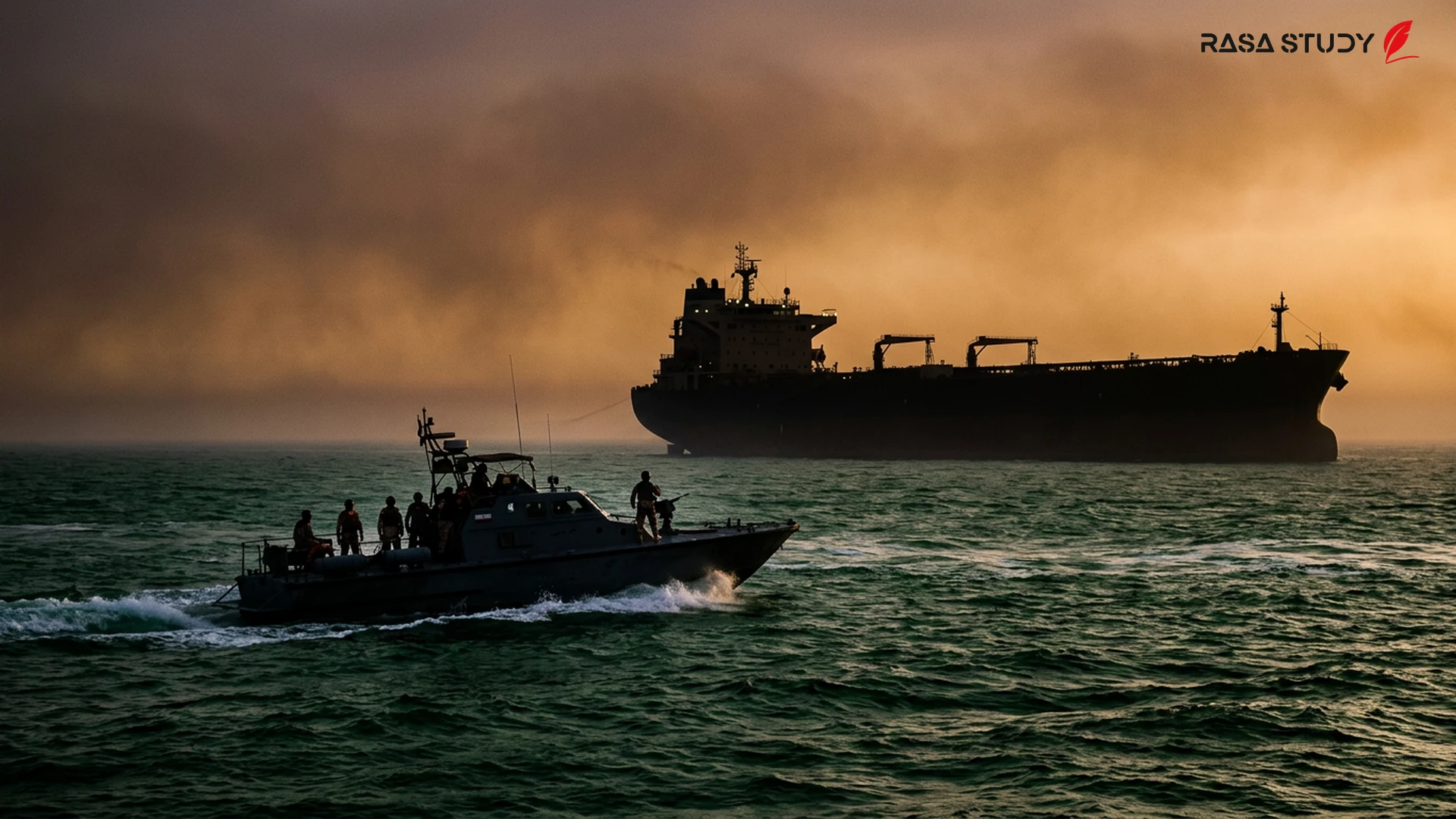
Roots of the Crisis; From Memorandum Violations to Field Clashes According to Iranian officials, current tensions are a direct result of provocative actions by the United States and Israel that began in late February 2026 [2]. Reports indicate that the ceasefire memorandum concluded in June is now on the verge of complete collapse. While CENTCOM (U.S. Central Command) claims the Strait of Hormuz is open for transit, the IRGC Navy has announced that due to illegal foreign interventions, this waterway will be closed until further notice and no vessel will be allowed to pass without coordination [4][5].
Warning of Global Consequences of Diplomatic Deadlock Many analysts believe the current deadlock in interpreting maritime law and sovereignty over the Strait of Hormuz has complicated the path of diplomacy. While the UN emphasizes an immediate return to the negotiating table, Iran believes that as long as military aggression does not stop and Iran's sovereignty over this strategic waterway is not recognized, diplomatic progress will not be possible [3][4]. This situation has caused energy prices in global markets to fluctuate sharply and maritime security in one of the world's most important economic arteries to be seriously endangered [5].
Tensions in the Strait of Hormuz between Iran and the US have reached their peak, and the UN has called for restraint from both sides.
linkSources
- İran'dan Guterres'e tepki! Bizi suçlamak sorumsuzca — CGTN Türk (2026-07-13)
- İran'dan Guterres'e tepki! Kendimizi savunduğumuz için suçlanıyoruz — Yeni Akit (2026-07-13)
- واکنش گوترش به افزایش تنشهای ایران و آمریکا — Tabnak (2026-07-12)
- US announces more strikes on Iran as Hormuz standoff boils over — Al Jazeera (2026-07-12)
- UN chief warns of 'catastrophic consequences' if US-Iran strikes continue — Dawn (2026-07-12)