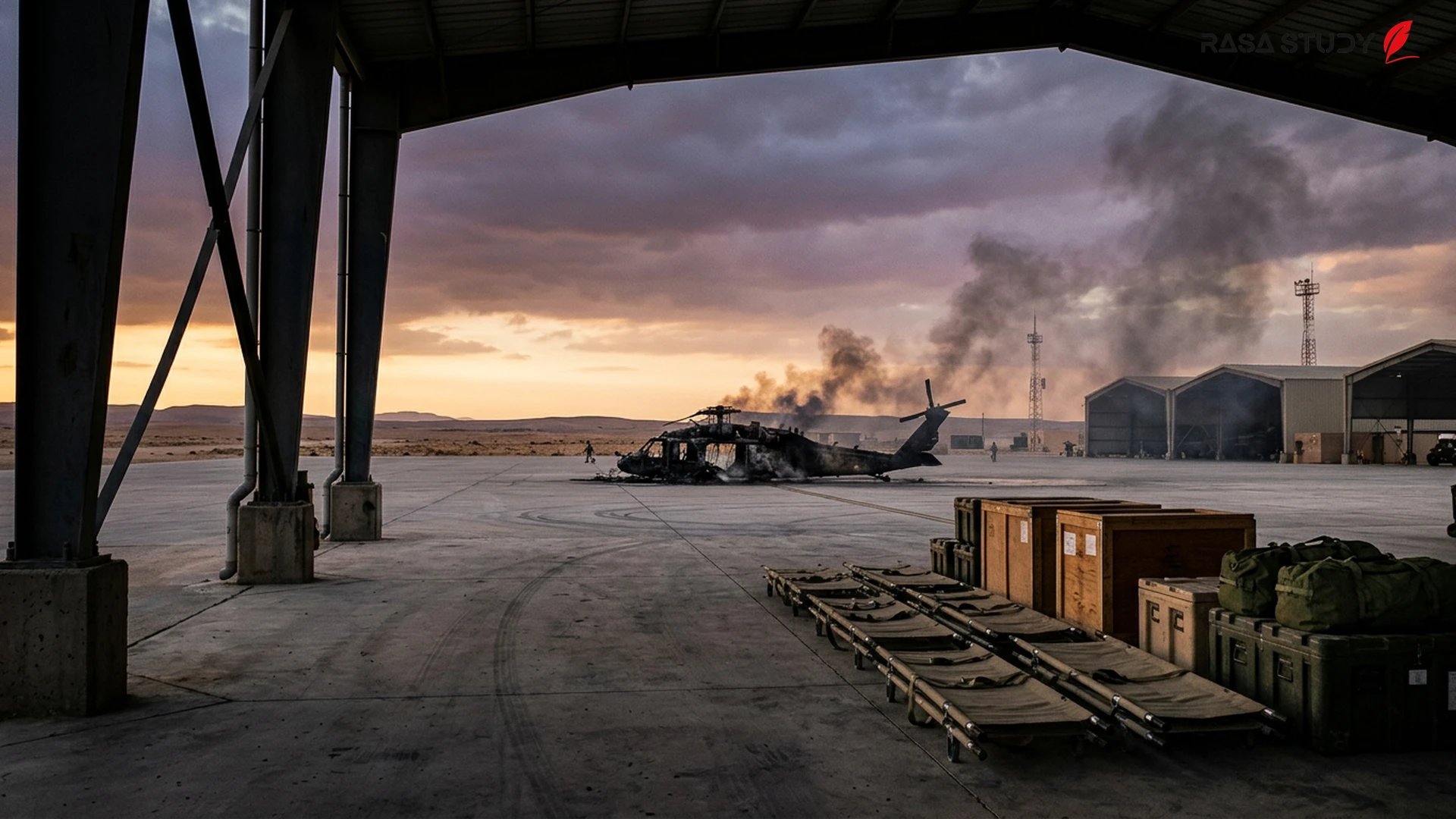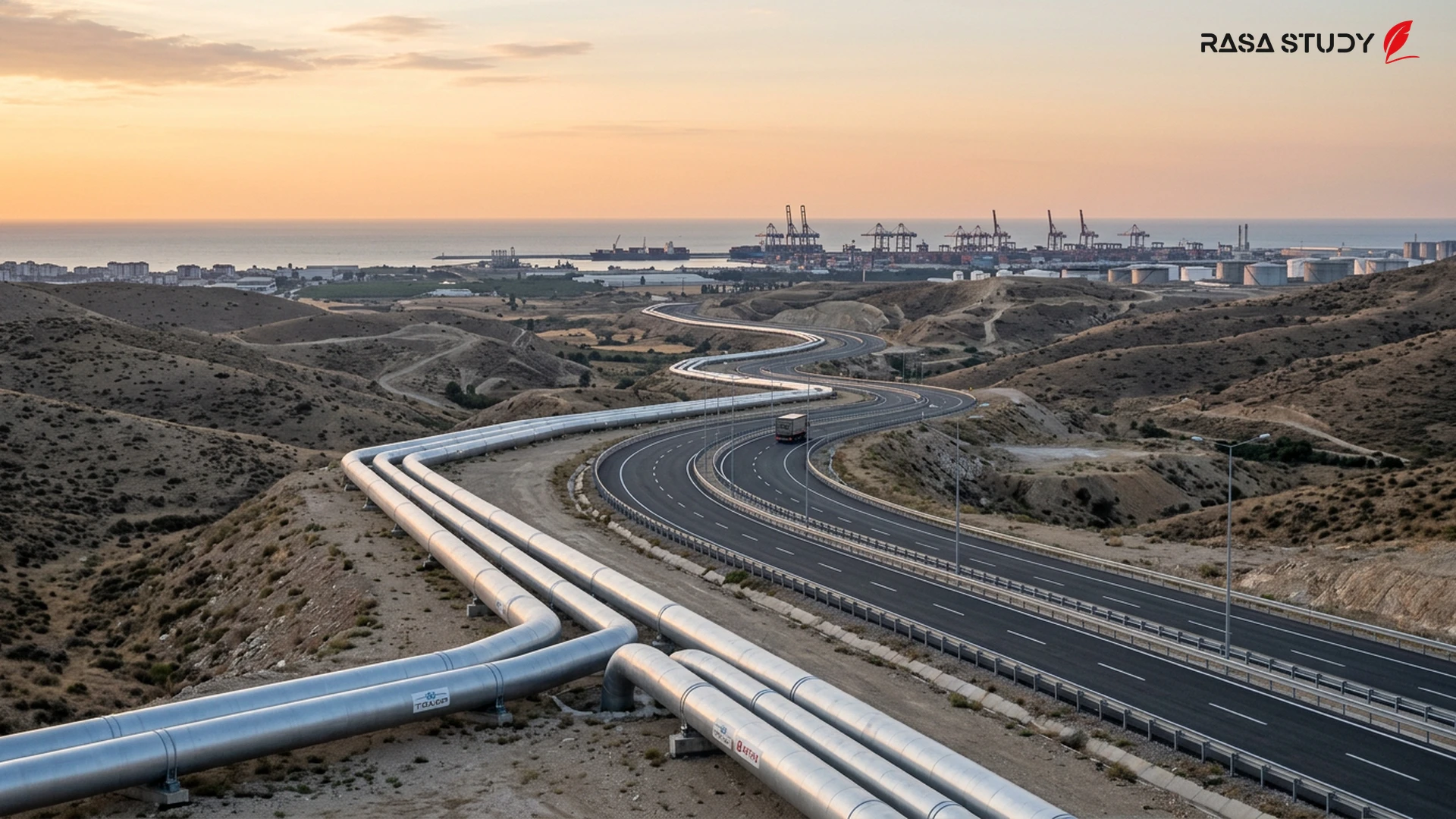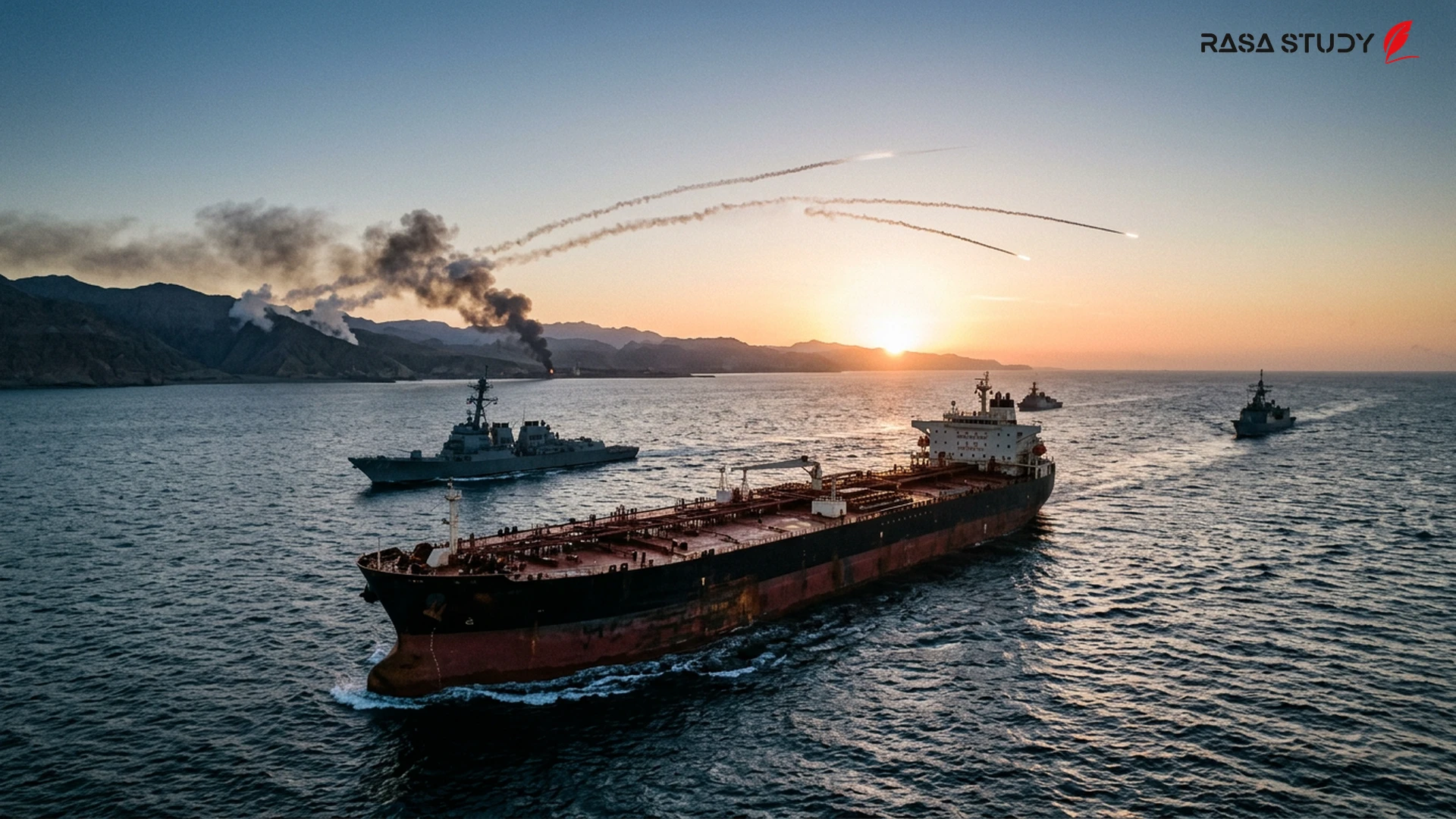
The Public Relations of the Islamic Revolutionary Guard Corps (IRGC) announced that it shot down an advanced American MQ-1 drone over the strategic waters of the Strait of Hormuz, an action met with a sharp response from Washington and retaliatory strikes.
Details of IRGC Defense Operation in the Strait of Hormuz In the late hours of Monday, July 13, 2026, the IRGC Aerospace Force announced that it targeted a United States spy drone that had entered Iranian airspace. According to the official statement, the drone was an MQ-1 model and was destroyed by advanced missile defense systems near the Strait of Hormuz [1][5]. News sources in Turkey and the region reported that this operation was in response to recent movements by extra-regional forces in the Persian Gulf, and Iran has warned that any aggression against its airspace will be met with a decisive response [2].
Washington's Sharp Reaction and Declaration of Naval Blockade Immediately after the news was confirmed, U.S. President Donald Trump signed an executive order declaring a renewed naval blockade against Iran in the Strait of Hormuz. In his remarks, Trump claimed that the blockade would only include Iran and countries trading with it, while other commercial vessels would be allowed passage [3][6]. He also announced that U.S. forces have launched heavy strikes to weaken Iran's offensive capabilities, including radar sites and drone production centers [6].
Reports of Explosions in Southern Iranian Cities Simultaneous with the announcement of retaliatory strikes by CENTCOM, local sources in Iran reported hearing massive explosions in areas such as Bandar Abbas, Bushehr, and Chabahar [4]. Reports indicate that air defense systems have been activated in the south of the country. Iranian domestic media confirmed that some border points were targeted by American projectiles but emphasized that the Iranian armed forces are in full readiness to counter any broader aggression [4][5].
Economic Consequences and Energy Market Crisis This direct military conflict immediately affected global markets. Brent crude oil prices saw a sudden jump to over $83 per barrel, and concerns about a complete closure of the Strait of Hormuz, which carries one-fifth of the world's oil, have intensified [3]. Economic analysts warn that the continuation of this situation could lead to a new wave of global inflation and instability in financial markets, especially if the naval blockade announced by the U.S. is fully implemented [2][6].
Tensions in the Strait of Hormuz have reached a peak following the downing of the American drone.
linkSources
- İran Hürmüz'de ABD'ye ait İHA'yı düşürdü — Yeni Şafak (2026-07-13)
- İran Hürmüz Boğazı'nda ABD'ye Ait Bir İHA'yı Düşürdüğünü Açıkladı — Haber TR (2026-07-14)
- Iran's IRGC claims to shoot down US drone over Hormuz — Nepal News (2026-07-14)
- شنیده شدن صدای انفجار در مناطقی از جنوب کشور / انهدام پهپاد پیشرفته آمریکایی — Tabnak (2026-07-13)
- سپاه: یک فروند پهپاد MQ1 در تنگه هرمز منهدم شد — Al-Alam (2026-07-14)