Iran has issued an official statement declaring that during negotiations to end recent conflicts, it made no commitment to hand over the management of the Strait of Hormuz to international bodies, emphasizing its absolute sovereignty over this strategic waterway.
Tehran's Insistence on National Sovereignty in the Strait of Hormuz
On June 12, 2026, Iranian state media, including the IRNA news agency, reported that in the 14-point draft agreement between Tehran and Washington, there is no clause regarding the transfer of management of the Strait of Hormuz or a return to pre-war conditions [2]. These statements come amid international speculation suggesting the potential creation of joint management or international supervision over this vital waterway. Iranian officials have emphasized that the management of this strait is a regional matter that will proceed only through cooperation with Oman and without the interference of foreign powers [1].
Details of the 14-Point Draft Agreement
According to reports published by sources close to the negotiating team, this agreement, drafted with Pakistan's mediation, includes significant items such as a complete cessation of war on all fronts (including Lebanon), the lifting of the naval blockade on Iran within 30 days, and the withdrawal of US military forces from around Iran's borders [1][3]. Additionally, issues such as the release of $24 billion in frozen Iranian assets and the allocation of $300 billion for the reconstruction of war damages are included in this draft [1][2]. However, Iran has made the reopening of the Strait of Hormuz conditional on the precise implementation of these clauses and compliance with procedures determined by itself.
The End of the 'Free Passage Era' and New Maritime Laws
Abbas Araghchi, Iran's Foreign Minister, announced in an interview that the status of the Strait of Hormuz will no longer return to the pre-war era [3]. He emphasized that this waterway is under the full sovereignty of Iran and Oman, and Tehran intends to establish new laws for ship transit. These laws include the collection of maritime service fees and a ban on the entry of military vessels from hostile countries [4]. According to Iranian officials, the Strait of Hormuz has now become one of Tehran's most important deterrence tools, and any transit through it must be done with coordination and compliance with Iran's security protocols [3][4].
Conflicting Reactions from Washington and Global Markets
While Tehran insists on its sovereign positions, US President Donald Trump has called Iranian media reports regarding the non-cession of the strait's management 'fake news' and claimed that a final agreement is very close [4]. This contradiction in narratives has caused fluctuations in energy markets. Despite these verbal tensions, global oil prices have taken a downward trend due to hopes for the imminent reopening of the Strait of Hormuz and reduced war risks [2]. Analysts believe that the coming days will be vital for finalizing this 'Memorandum of Understanding' and determining the fate of global energy security.
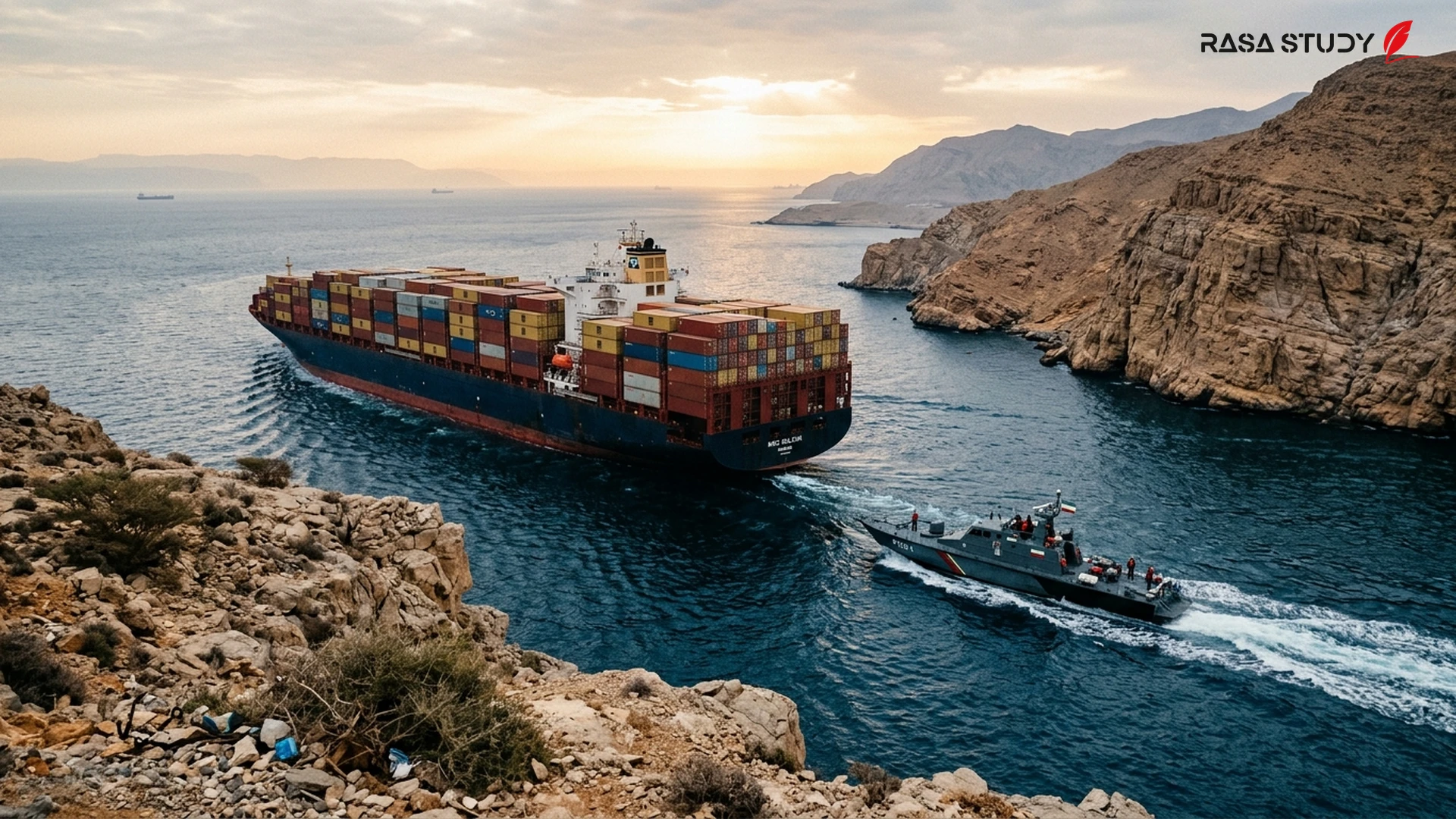
The Strait of Hormuz; the world's vital energy artery over which Iran emphasizes absolute sovereignty.
linkSources
- İran ile ABD arasındaki mutabakat taslağı sızdı: İşte 14 maddelik taslak! — CGTN Türk (2026-06-12)
- Iran state media says Tehran would not cede control of Hormuz under draft US deal — BSS/AFP (2026-06-12)
- Iran's foreign minister details proposed memorandum with US, says war would end across all fronts — Anadolu Ajansı (2026-06-12)
- İran'dan Hürmüz Boğazı açıklaması: 'Eski düzen bitti' — YDH (2026-06-12)


