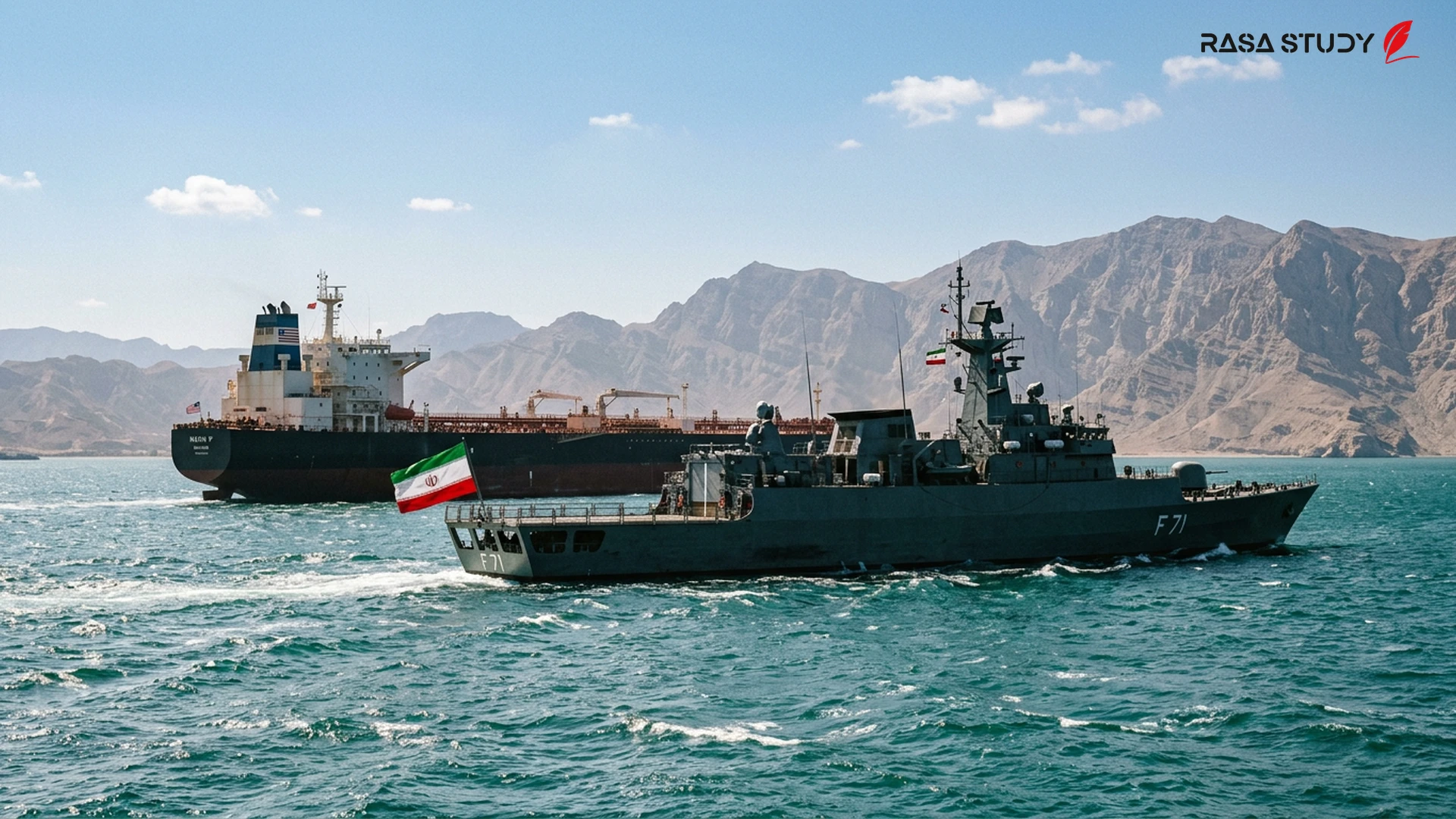
The senior advisor to the Leader of the Islamic Republic of Iran, in decisive remarks, described the Strait of Hormuz as an inseparable part of Iranian territory, emphasizing that no foreign power has the capability to strip Iran of its ownership or control over this vital waterway.
New Dimensions of Iranian Sovereignty over the Strait of Hormuz
On July 16, 2026, the senior advisor to Ayatollah Khamenei, the Leader of the Islamic Republic of Iran, took a hardline stance on the security and ownership of the Strait of Hormuz in an interview that was widely reflected in regional media, including the Turkish outlet "Ekonomim." Pointing to Iran's geopolitical position, he noted that this waterway is entirely under Iranian sovereignty and extra-regional forces have no right to interfere in its affairs [1]. These statements come at a time when the presence of international fleets in the Persian Gulf has once again become a controversial issue.
Strategic Importance and Political Messages
As the lifeblood of global energy, the Strait of Hormuz has always been the focus of major powers. Emphasizing that "no power can take the Strait of Hormuz from Iran," the advisor to Iran's leader sent a direct message to military coalitions stationed in the region [1][3]. Analysts believe these words are a reaction to recent military movements in the Sea of Oman and diplomatic efforts to limit Iran's maritime influence. Iranian domestic news agencies also emphasize that maritime security in this region can only be ensured through the participation of neighboring countries and without foreign intervention [2].
International Reactions and Field Status
Following these remarks, global energy markets showed limited reactions, but concerns about the possibility of physical conflicts in this key waterway have increased. Reports published on July 16, 2026, indicate that Iranian naval forces have increased their surveillance exercises at the mouth of the strait [3]. Tehran officials have repeatedly stated that sovereignty over this region is based on international law and historical treaties, although some Western countries continue to emphasize the freedom of international navigation [2].
Conclusion and Future Outlook
The remarks by the senior advisor to Iran's leader indicate the continuation of the "sovereignty stabilization" policy in the Persian Gulf. Given the sensitive current conditions in mid-2026, it seems Iran intends to use the Strait of Hormuz as a trump card for high-level political and security bargaining. This decisive positioning will likely face diplomatic reactions from Western capitals and Persian Gulf littoral states in the coming days [1][3].
The Strait of Hormuz; the world's most strategic waterway over which Iran emphasizes full sovereignty.
linkSources
- İran lideri Hamaney'in Başdanışmanı: Hürmüz Boğazı İran'a aittir — Ekonomim (2026-07-15)
- تأکید تهران بر امنیت دریانوردی در تنگه هرمز — IRNA (2026-07-16)
- Rising Tensions in the Strait of Hormuz: A 2026 Perspective — Al Jazeera (2026-07-16)


