While the military conflicts of 2026 have placed unprecedented pressure on the regional economy, new field reports indicate that the prices of basic goods in Iran, despite wartime conditions, are significantly lower than in Turkey—a reality rooted in support policies and currency devaluation.
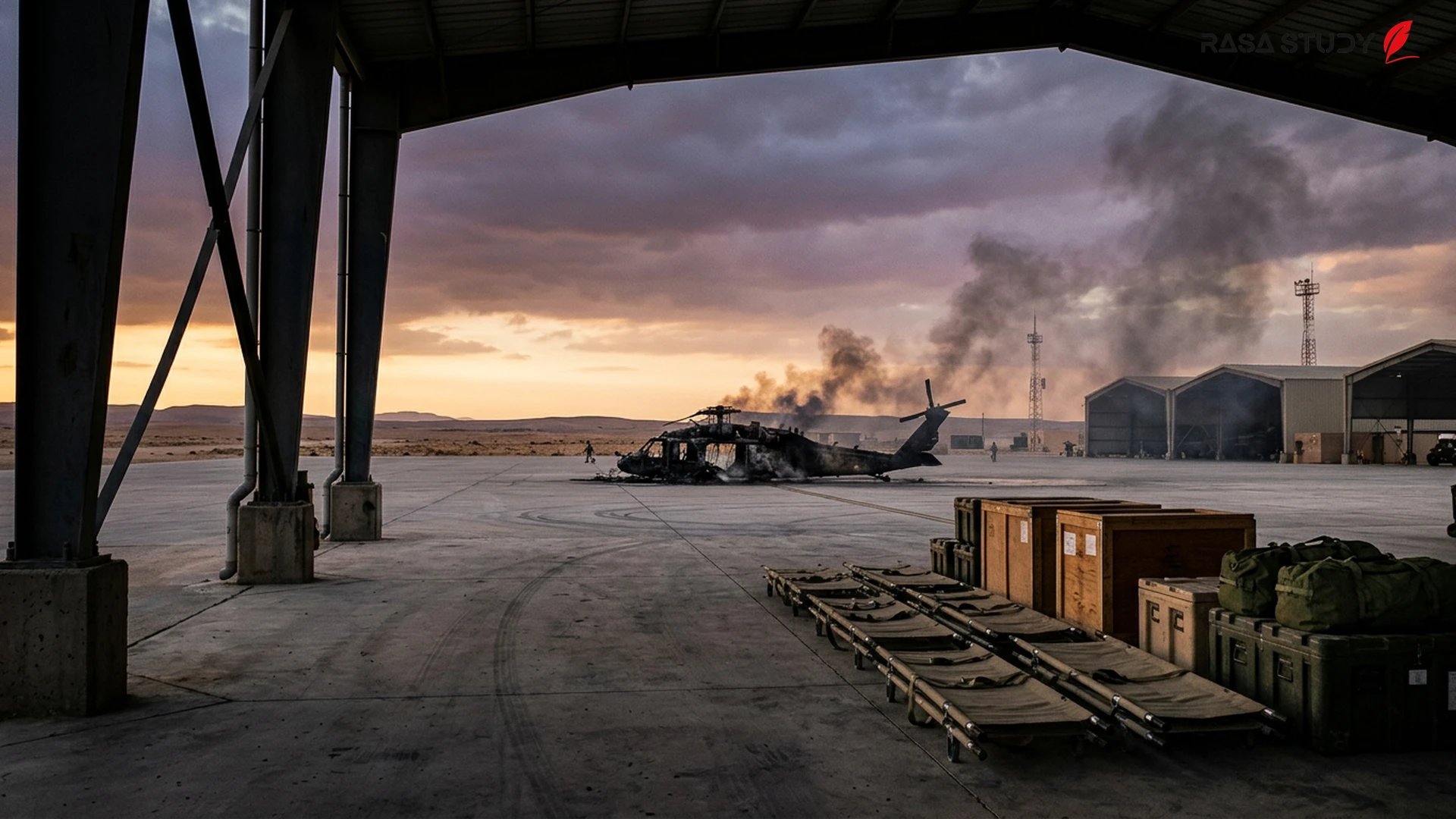
Today, July 18, 2026, the release of a video showing food prices in Iranian markets by a Turkish citizen named Gül Gökgöz has sparked a wave of debate and astonishment in the Turkish and regional media. This report, published by the specialized media outlet Gıda Bülteni, shows that the prices of products such as meat, oil, and pasta in Iran, when converted to Turkish Lira, are much cheaper than in Turkish markets [1]. This comes at a time when Iran has been under heavy military attacks since February 2026 and is living in a state of 'war economy'.
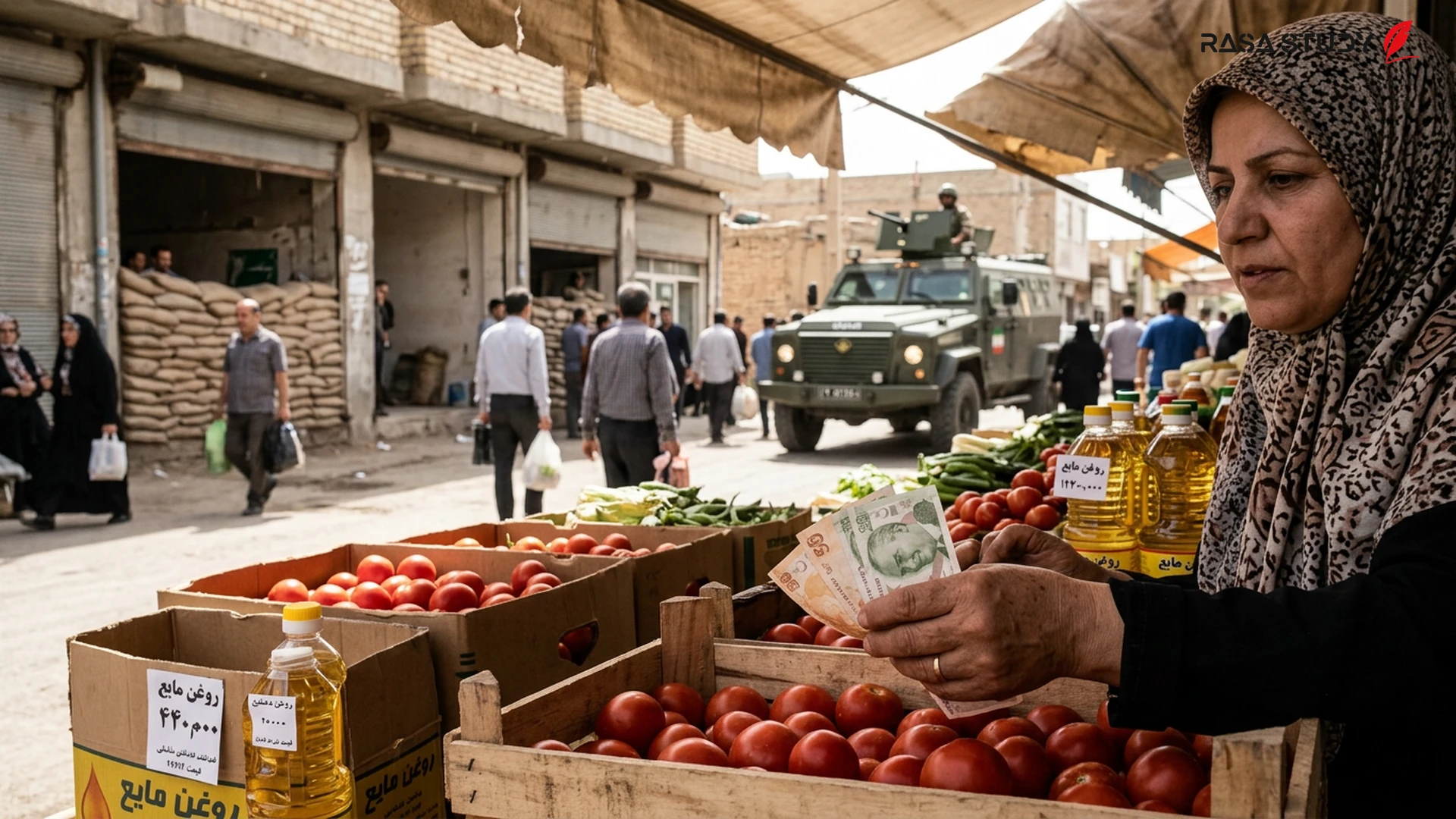
Field Report from the Heart of the Crisis; The Reality of Prices According to the Gıda Bülteni report, direct observations in the city of Qom show that the prices of basic goods in Iran are under strict control due to the mandatory factory prices printed on packaging. Gül Gökgöz stated in her interview that stores are not allowed to sell goods higher than the price set by the manufacturer [1]. This price-braking policy, alongside heavy government subsidies, has made the prices of items like tomatoes and gasoline seem negligible compared to Turkey, which is struggling with runaway inflation [3].
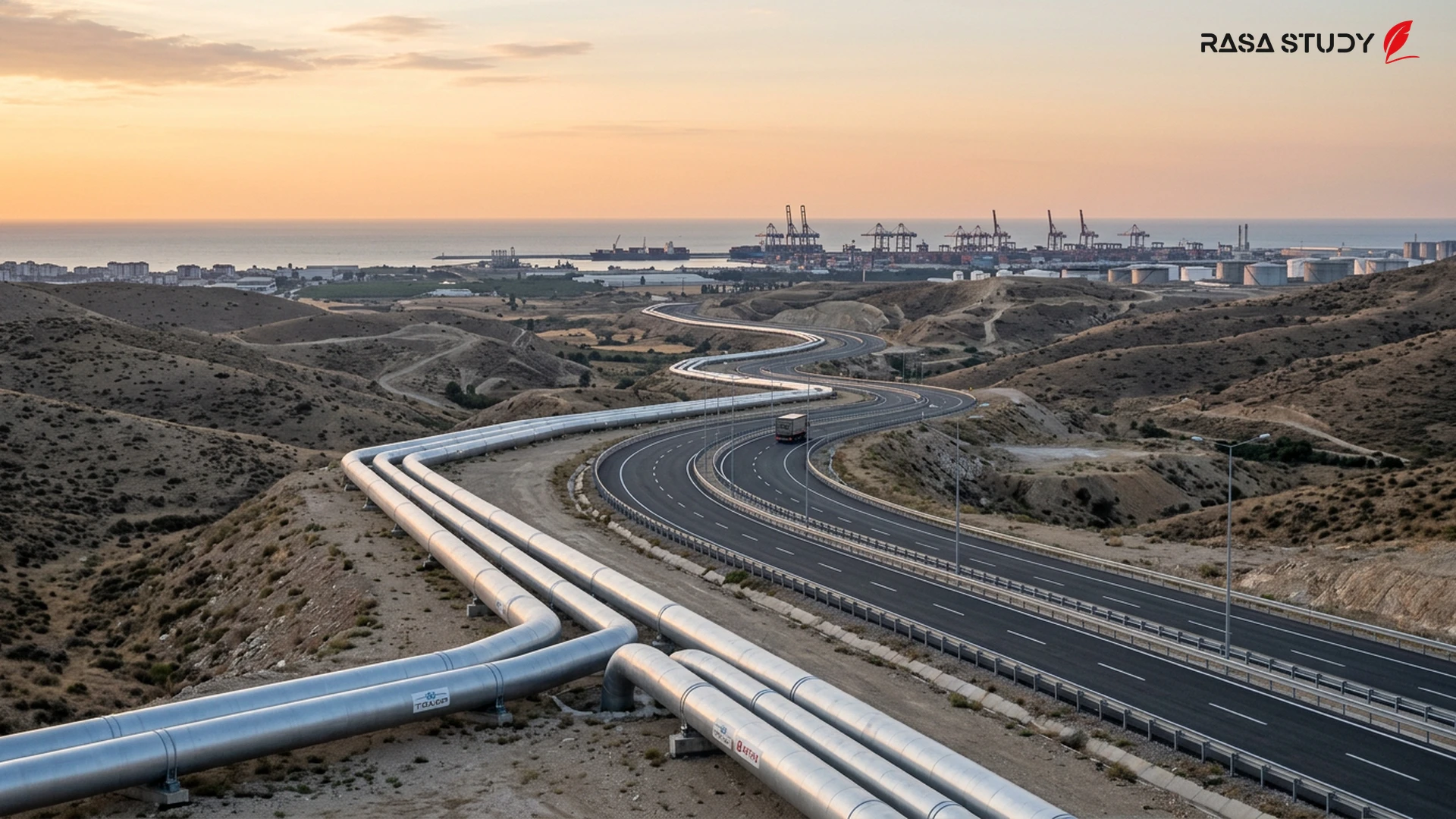
Why Does War-Torn Iran Seem Cheaper? Economic analysts believe this 'cheapness' is one side of the coin. The main reason for this price difference is the free fall of the Iranian Rial against international currencies and even the Turkish Lira. For a holder of Lira or Dollars, shopping in Iran is like a giant clearance sale, but for an Iranian citizen whose income is in Rial, even these 'cheap' prices are considered very heavy given the low purchasing power [1][3]. Furthermore, the halt of Iranian agricultural exports due to the blockage of transit routes and tensions in the Strait of Hormuz has led to an accumulation of goods in the domestic market and a forced reduction in prices [2].
The Critical State of Food Inflation in Turkey On the other side of the border, Turkey ranked fourth in the world for the highest food inflation in May 2026 [4]. The closure of the Strait of Hormuz and the increase in fuel and chemical fertilizer costs resulting from the Iran war have directly targeted the tables of the Turkish people. While annual food inflation in Europe is around 2.4%, Turkey is experiencing severe economic pressure with rates exceeding 34%, which is even higher than some countries at war [4].
Survival Strategy in a War Economy The Iranian government has adopted a 'survival economy' strategy to prevent social explosion amidst military conflicts. This includes injecting massive subsidies into the bread and energy sectors to send the message that 'there is war, but there is no hunger' to society [3]. However, experts warn that this economic model will lose its sustainability in the long run with the continuation of sanctions and attacks, and may lead to a deeper food crisis in late 2026 [2].
A comparison of food prices in Iran and Turkey shows the stark difference in purchasing power and support policies amidst the crisis.
linkSources
- Savaştaki İran'da gıda fiyatları Türkiye'den ucuz! — Gıda Bülteni (2026-07-18)
- Iran war drives food price pressures in Türkiye and globally — Hürriyet Daily News (2026-04-06)
- Neden Savaşan İran, Türkiye'den Daha Ucuz? — Ajans News (2026-03-12)
- Turkey has the fourth highest food inflation rate in the world — Bianet (2026-05-15)