Following a strategic meeting between Iranian and Turkish trade officials in Istanbul, the two nations are taking final steps to upgrade their "Preferential Trade Agreement" to a "Free Trade Agreement" (STA) to reach a $30 billion trade volume.
Today, July 3, 2026, the Istanbul Chamber of Commerce newspaper reported that Iran and Turkey, moving beyond traditional trade patterns, have defined a new objective under a "Free Trade Agreement" (STA). This decision comes as optimism regarding progress in peace negotiations between Iran and the United States has created a new environment for economic reconstruction and joint investments [1].
Istanbul Meeting: From Trade to Joint Production In a meeting attended by senior officials from the Iran Chamber of Commerce, the Tehran Chamber of Commerce, and the Trade Promotion Organization of Iran at the Istanbul Chamber of Commerce (İTO), both sides emphasized the need to shift from "mutual trade" to "joint production." Yakup Koç, Treasurer of the İTO Board, noted during the session that more than 2,000 companies with Iranian capital are currently registered with the chamber, reflecting deep trust and rooted ties between the economic actors of the two countries [1]. He added that current trade volumes do not reflect the true potential of the region's two economic powers and that the 2015 Preferential Trade Agreement must be upgraded to a comprehensive Free Trade Agreement.
Key Challenges and Opportunities in 2026 These diplomatic movements occur at a critical juncture. On one hand, the 25-year contract for Iranian gas exports to Turkey expires in July 2026, doubling the necessity to revise energy cooperation [4]. On the other hand, Turkish financial markets have witnessed an influx of billions of dollars in foreign capital (Carry Trade) in recent weeks, driven by reduced geopolitical risks and the possibility of reaching a sustainable regional agreement [2]. Economic activists believe that by removing banking and SWIFT barriers, achieving the $30 billion goal—which has been an aspiration for years—will be fully attainable in 2026 [3].
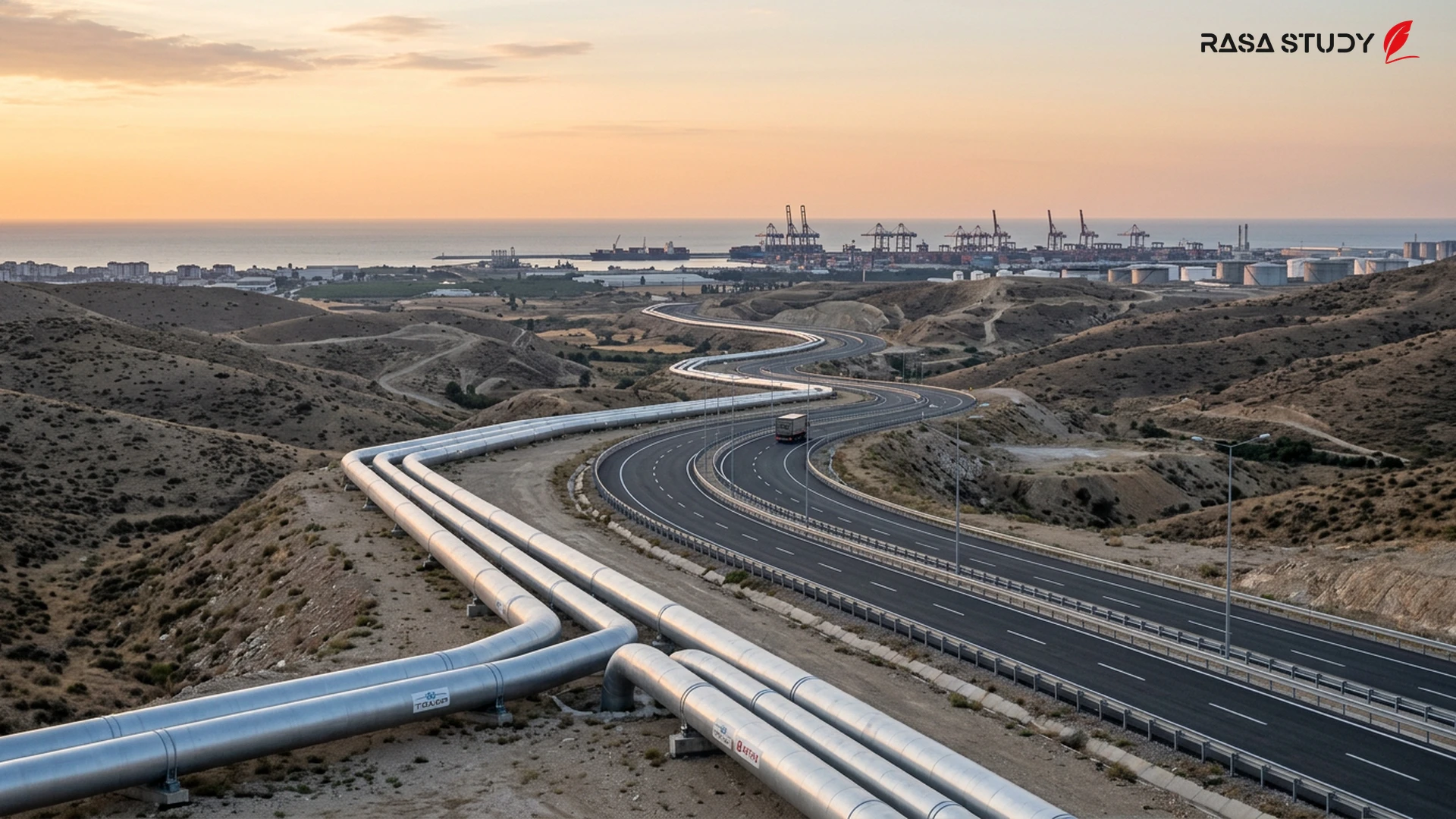
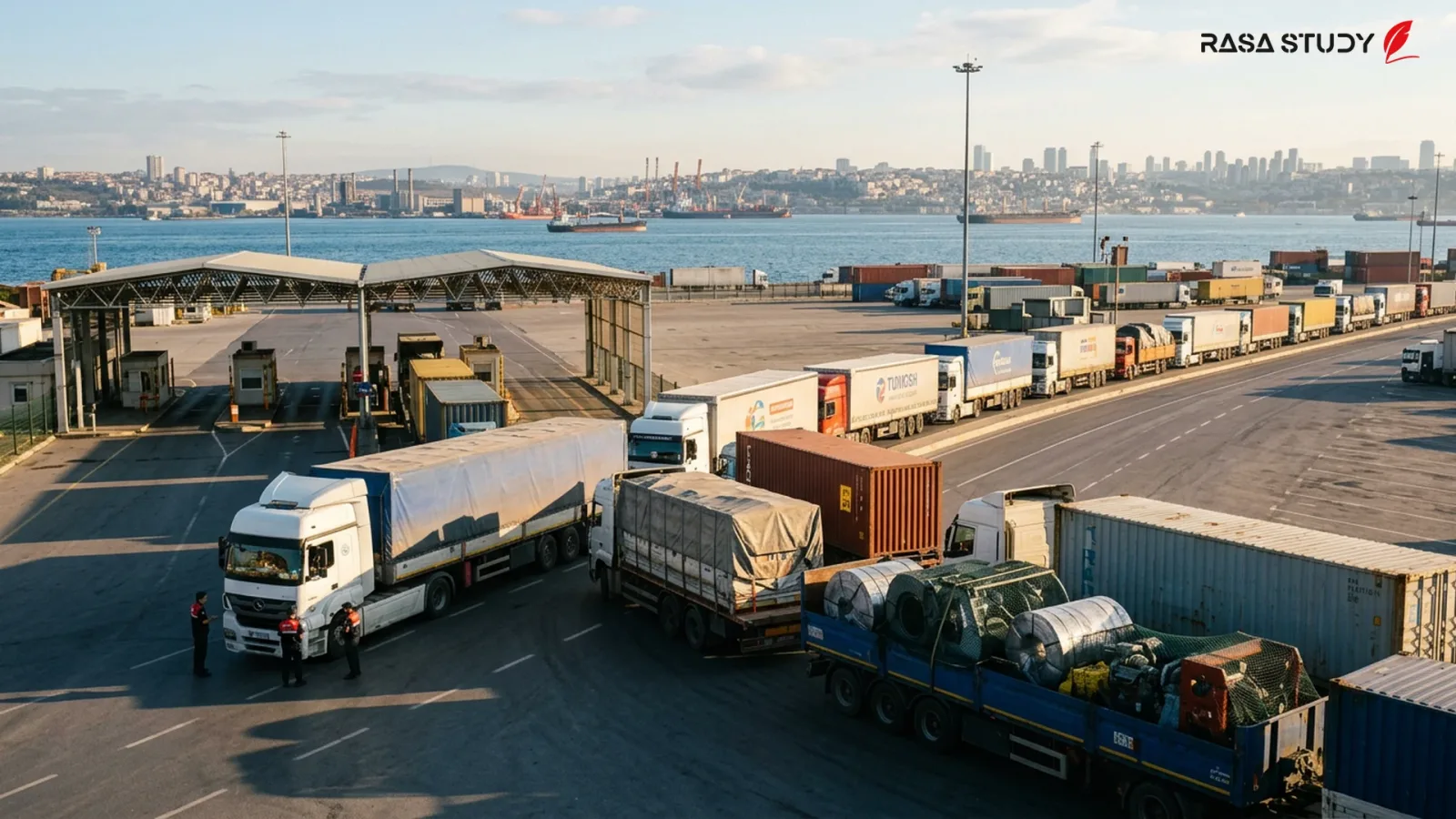
The $30 Billion Outlook and the Role of Logistics Iranian officials at the meeting emphasized that combining Turkey's industrial infrastructure with Iran's raw materials and energy could turn the two countries into a regional manufacturing hub. Furthermore, given potential restrictions on maritime routes, Turkey will play a vital role in this new agreement as Iran's primary transit route to Europe and vice versa [3]. The ultimate goal is to facilitate the movement of industrial goods, textiles, and petrochemical products between the two countries by eliminating customs tariffs under the STA framework [1][4].
İTO officials and the Iranian trade delegation reviewing details of the Free Trade Agreement in Istanbul - July 2026
linkSources
- İran’la yeni hedef STA — İstanbul Ticaret Gazetesi (2026-07-03)
- İran anlaşması iyimserliği carry trade'i yeniden canlandırdı — Karar (2026-06-23)
- Iran-Turkey trade should reach $30b: ICCIMA head — Tehran Times (2026-05-11)
- Turkey Iran Gas Contract 2026 Impact — WealthMagik (2026-06-29)