Following escalating tensions in the Strait of Hormuz and harsh statements from Donald Trump, Iranian Foreign Minister Abbas Araghchi officially announced that as long as United States threats continue, negotiations to reach a final agreement will not begin. [1][2]
Diplomatic Deadlock in the Shadow of Military Threats On July 7, 2026, diplomatic relations between Tehran and Washington reached a critical point once again. Abbas Araghchi, Iran's Foreign Minister, in an explicit message on the social network X (formerly Twitter), addressed American officials stating that Iran will not return to the negotiating table under pressure and threats. These remarks were made in response to recent comments by US President Donald Trump, who said that if an agreement is not reached, Washington is ready to "finish the job"; a phrase interpreted by political circles as a threat of military attack. [2][3]
Citing Clause 13 of the Islamabad Memorandum of Understanding Araghchi specifically referred to "Clause 13 of the Islamabad Memorandum of Understanding" in his statement. This memorandum, which was signed electronically in June 2026 between Masoud Pezeshkian and Donald Trump with Pakistan's mediation, established a 60-day framework for indirect diplomacy. [3] According to the Iranian Foreign Minister, Clause 13 of this agreement explicitly emphasizes that if threats continue, negotiations for a final agreement will not begin. Addressing Washington, he said: "Respect your signature." [1][5]
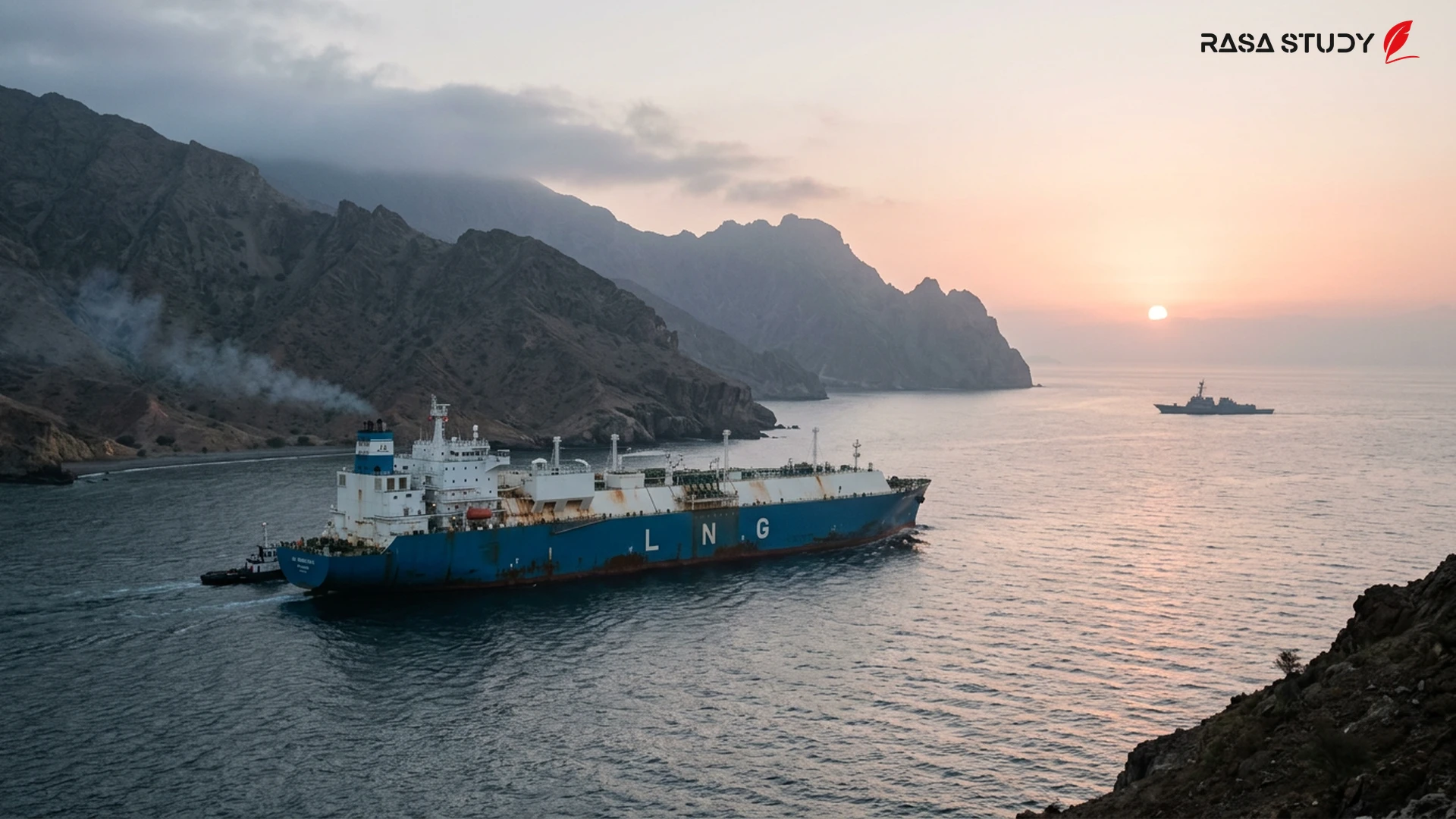
Tension in the Strait of Hormuz and Missile Attacks on Ships This diplomatic deadlock occurs simultaneously with reports of attacks on two commercial ships in the Strait of Hormuz. According to published reports, a Liquefied Natural Gas (LNG) tanker was targeted near the coast of Oman. [4] Although Iran has not officially accepted responsibility for these attacks, Iranian state media announced that these ships were damaged after ignoring warnings. These incidents occurred just after the end of a one-week ceasefire between Iran and the US in the region, increasing concerns about a broader conflict. [2][4]
Domestic Cohesion and Tehran's Message to the World Iran's Foreign Minister also pointed to the funeral of Ayatollah Khamenei and the presence of millions of people, emphasizing that neither the Iranian nation nor its armed forces are affected by foreign threats. [1] While global oil markets are facing fluctuations due to the incidents in the Strait of Hormuz, Tehran insists that the only way out of the crisis is for the US to return to diplomatic commitments and abandon the language of threat. [6]
Abbas Araghchi, Iran's Foreign Minister, accused Washington of violating the terms of the Islamabad Memorandum of Understanding.
linkSources
- İran: Tehditler devam ettiği sürece ABD'yle nihai anlaşmaya yönelik müzakereler başlamayacak — Anadolu Ajansı (2026-07-07)
- Iran's Araghchi says US 'threats' are impediment to negotiations on final deal — The Times of Israel (2026-07-07)
- Iran says final deal talks with US will not start if 'threats continue' — A News (2026-07-07)
- Hürmüz Boğazı'nda tansiyon yükseldi! 2 ticari gemi füzelerle vuruldu — İstanbul Ticaret Gazetesi (2026-07-07)