Iran and the United States, following intensive technical negotiations in Switzerland, have agreed to form four specialized working groups to address nuclear issues, sanctions removal, and economic reconstruction, paving the way for a comprehensive agreement.
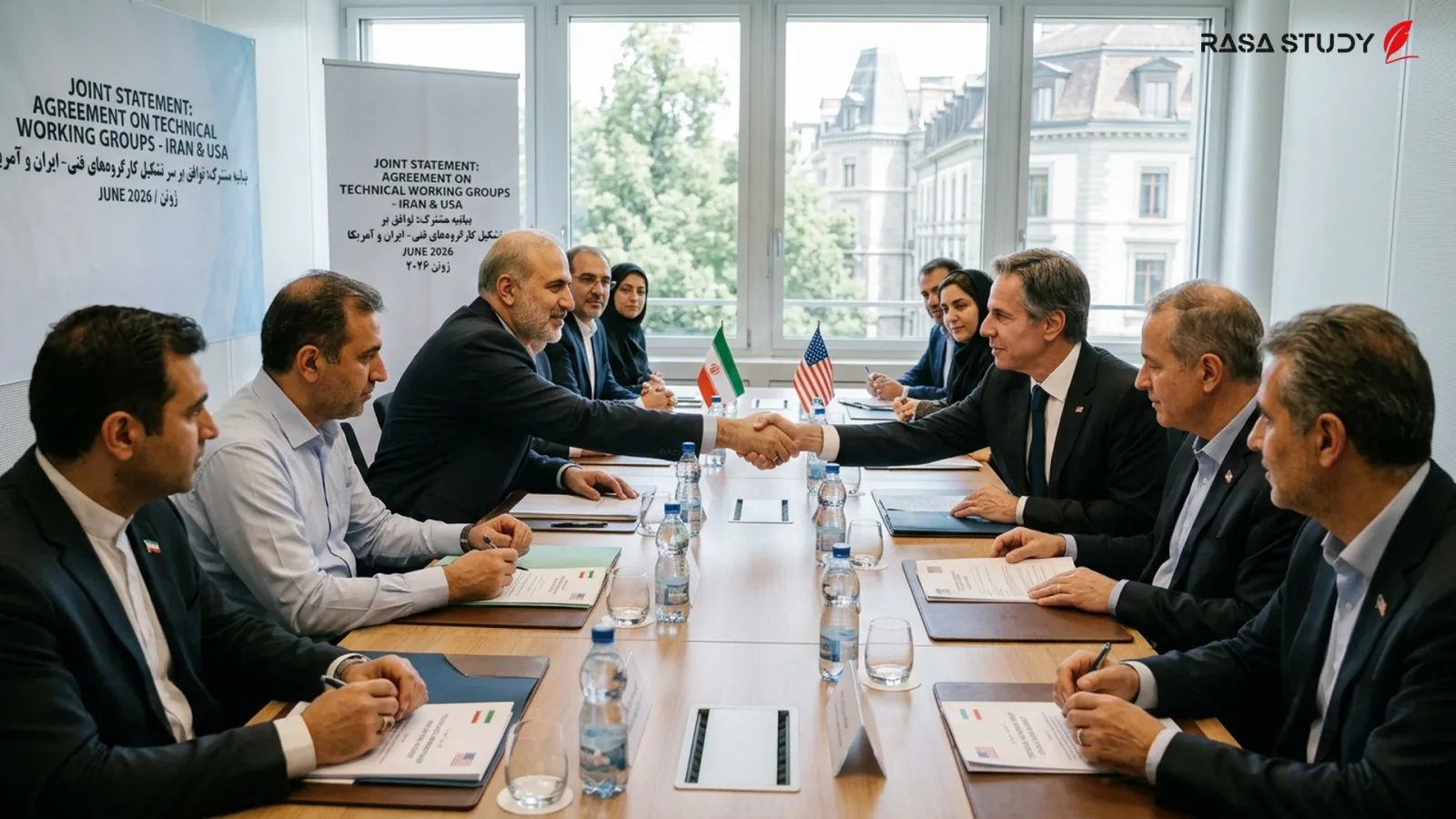
Following recent diplomatic developments in June 2026, Kazem Gharibabadi, Iran's Deputy Foreign Minister and head of the technical negotiating delegation, announced that the new round of talks with the United States in Switzerland has concluded successfully. Under this agreement, the two sides have agreed to form four specialized working groups to advance the signed memorandums of understanding [1][5]. These working groups are tasked with drafting technical details regarding the lifting of sanctions, nuclear issues, economic reconstruction and development, as well as monitoring and implementation mechanisms [2][3].
Details of Specialized Working Groups and the 60-Day Roadmap According to published reports, these four working groups will operate under the supervision of a "High-Level Committee" that includes senior political officials such as the Speaker of the Parliament and the Foreign Minister of Iran, the Vice President of the United States (JD Vance), and the Prime Ministers of the mediating countries, namely Qatar and Pakistan [3][4]. The ultimate goal of this new structure is to achieve a comprehensive peace agreement within the framework of a 60-day roadmap that was initiated at the beginning of this week [4]. Gharibabadi emphasized that these groups bear direct responsibility for following up on sensitive nuclear and economic files to ensure the precise implementation of commitments [1][2].
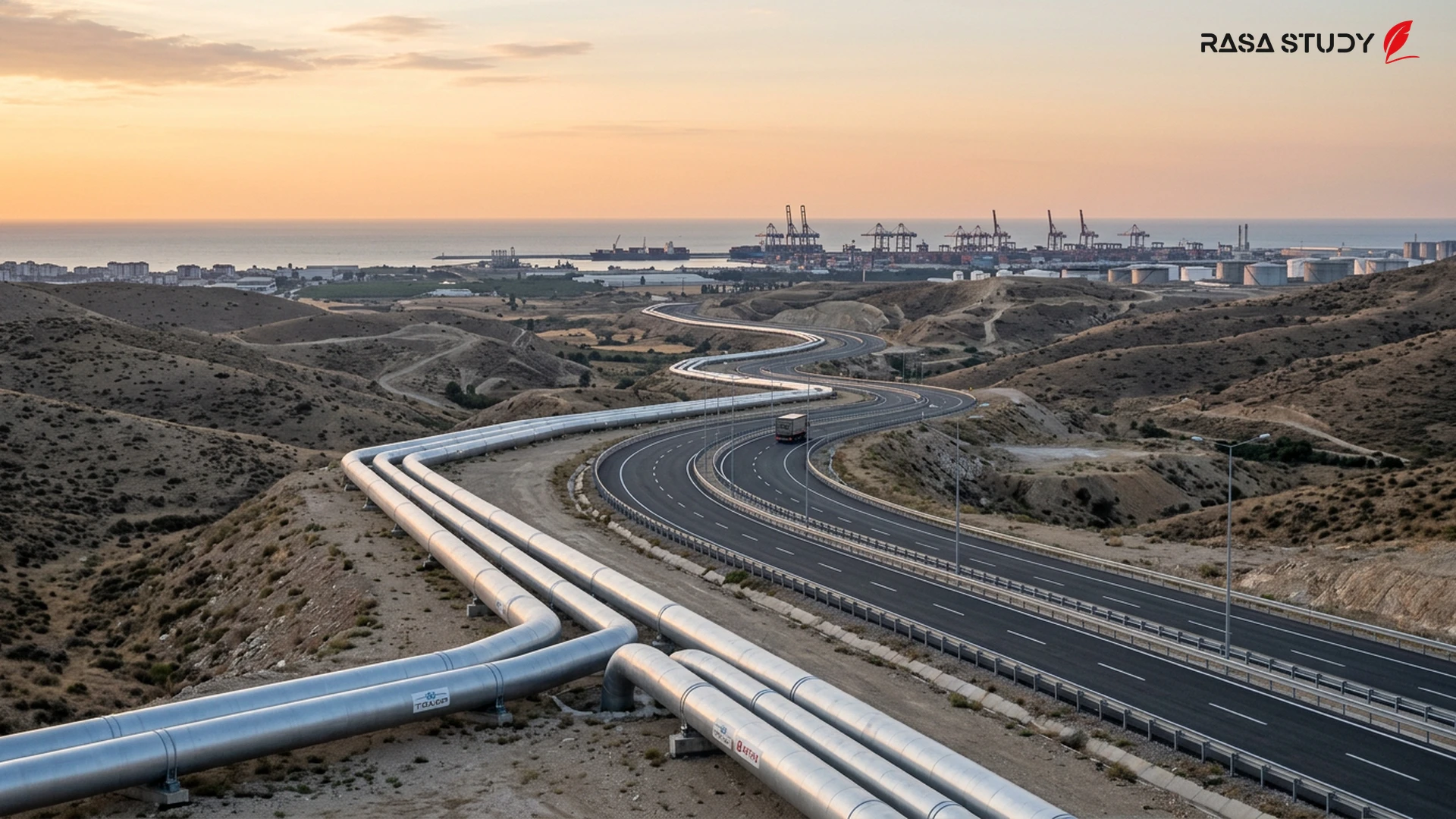
Economic Openings and Release of Frozen Assets One of the most significant achievements of this round of negotiations is the agreement to release $12 billion of Iran's frozen assets in two $6 billion stages [1]. Additionally, the US Department of the Treasury (OFAC) has issued the necessary general licenses for the export of oil, petrochemical products, and related services, which is considered a major step toward reducing economic pressure on Iran [2][5]. These financial resources are intended to be spent on purchasing essential goods as well as infrastructure reconstruction projects that were damaged during the tensions of recent months [3].
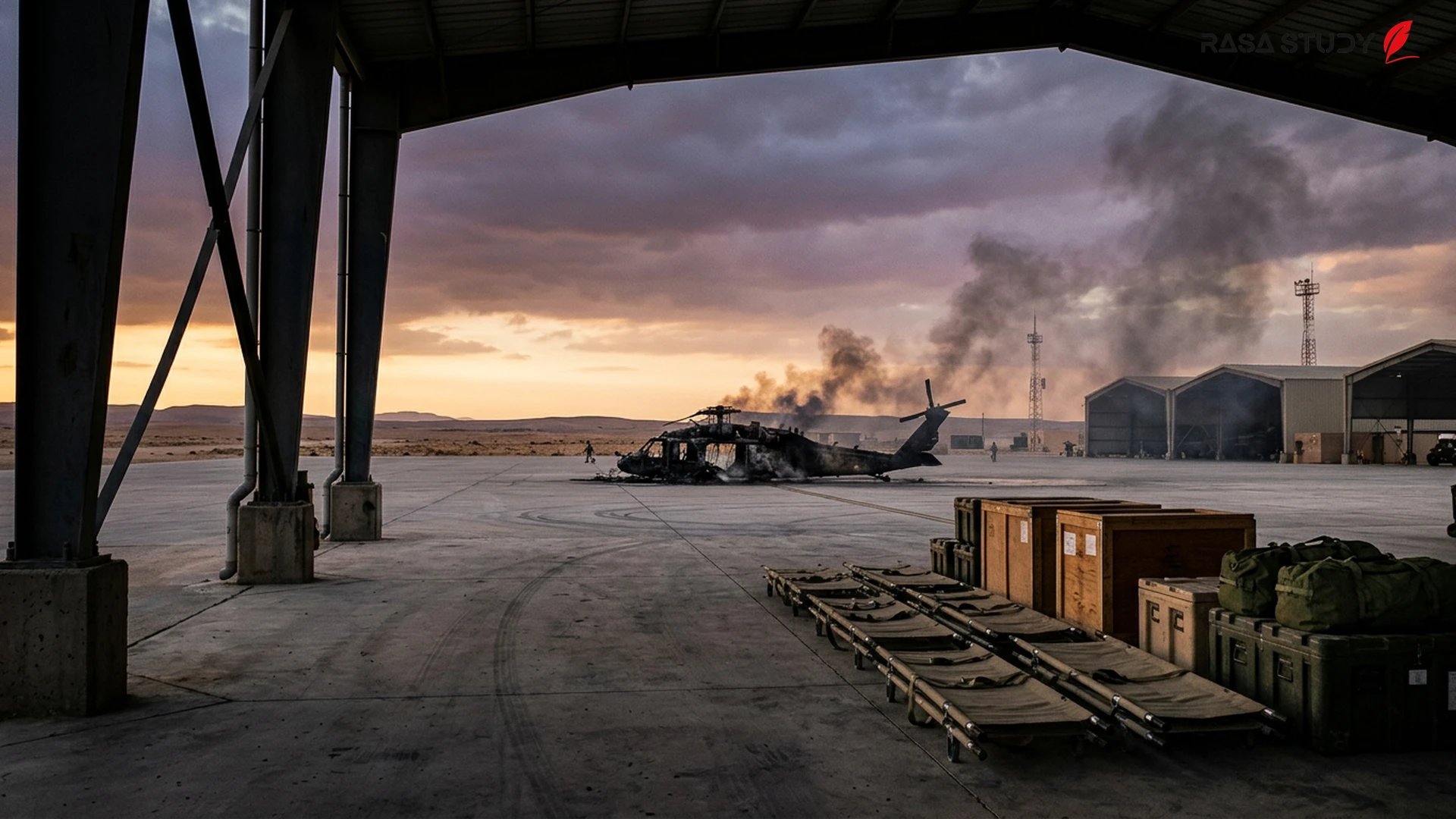
Regional Security and the Challenge of the Strait of Hormuz Alongside technical and economic issues, the parties have agreed to establish a "Joint Coordination Unit" to prevent conflicts in Lebanon and ensure the security of shipping in the Strait of Hormuz [1][4]. This move follows Iran's temporary closure of the Strait of Hormuz in response to recent attacks. Now, with the mediation of Qatar and Pakistan, a joint contact point has been established to facilitate the safe passage of commercial vessels [4][5]. However, international observers believe that the sustainability of this agreement depends on the extent of the parties' commitment to the ceasefire in Lebanon and the cessation of military interventions [4].
Technical negotiations between Iran and the US in Switzerland concluded with the aim of drafting implementation mechanisms for sanctions removal and nuclear monitoring.
linkSources
- مذاکرات فنی آمریکا و ایران پایان یافت؛ تشکیل چهار کارگروه تخصصی — Kurdistan TV (2026-06-23)
- İran: ABD ile teknik görüşmeler başarıyla tamamlandı — Dunya Gazetesi (2026-06-23)
- Iran says technical talks with US have concluded, announces next phase — Middle East Eye (2026-06-23)
- Israel is the wild card as the U.S. and Iran work to ink a lasting peace deal — Defense Priorities (2026-06-24)
- İran: ABD ile teknik görüşmelerde çalışma grupları kurulması konusunda uzlaşı sağlandı — Anadolu Agency (2026-06-23)