Just ten days after the signing of a peace memorandum between Tehran and Washington, a heavy exchange of fire in the Persian Gulf and reciprocal missile strikes have put the region on full alert, with Iranian officials calling these actions a "clear violation" of the agreements.
Today, June 28, 2026, the Persian Gulf region is witnessing one of the most serious military tensions in recent years between the Islamic Republic of Iran and the United States of America. These conflicts are occurring while the parties had signed a memorandum of understanding to end hostilities only on June 18, 2026. Now, with the exchange of fire in the Strait of Hormuz and missile attacks on regional bases, this fledgling agreement is on the verge of total collapse [1][3].
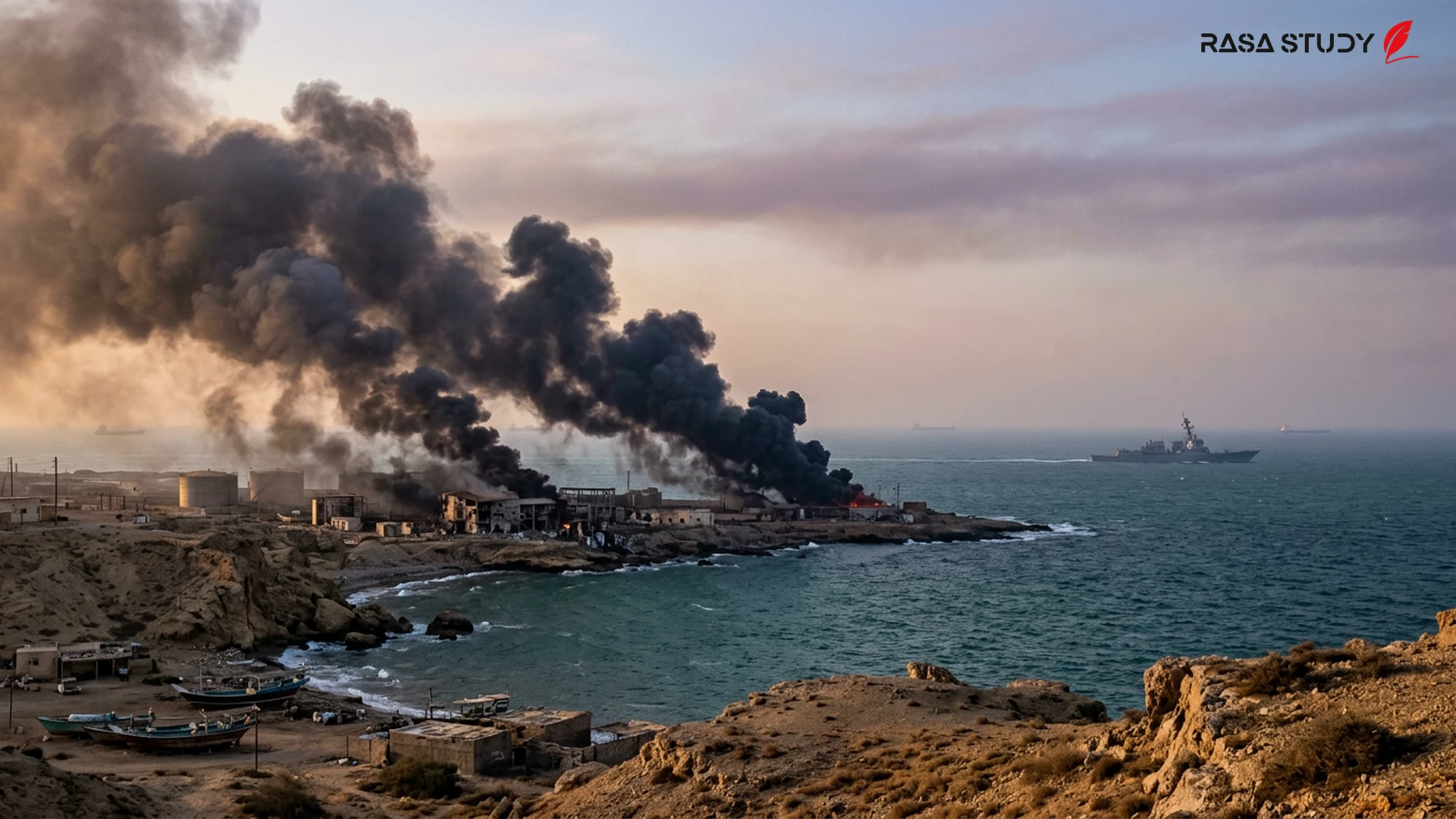
U.S. Airstrikes and Tehran's Sharp Reaction The spark for the new round of conflict was ignited when the U.S. Central Command (CENTCOM) announced that in response to a drone attack on a Singapore-flagged commercial vessel in the Strait of Hormuz, it had conducted extensive airstrikes against Iranian missile, drone, and radar facilities on the southern coast, including the city of Sirik [2][4].
Iran's Ministry of Foreign Affairs immediately issued a statement strongly condemning these attacks. The statement emphasized that the U.S. military strikes are a "clear violation" of Article 2, Paragraph 4 of the United Nations Charter, as well as an explicit violation of Article 1 of the June 18 peace memorandum [1][5]. Tehran officials claim that Washington has blocked the path of diplomacy with this action, and the responsibility for the consequences of this escalation lies directly with the U.S. government.
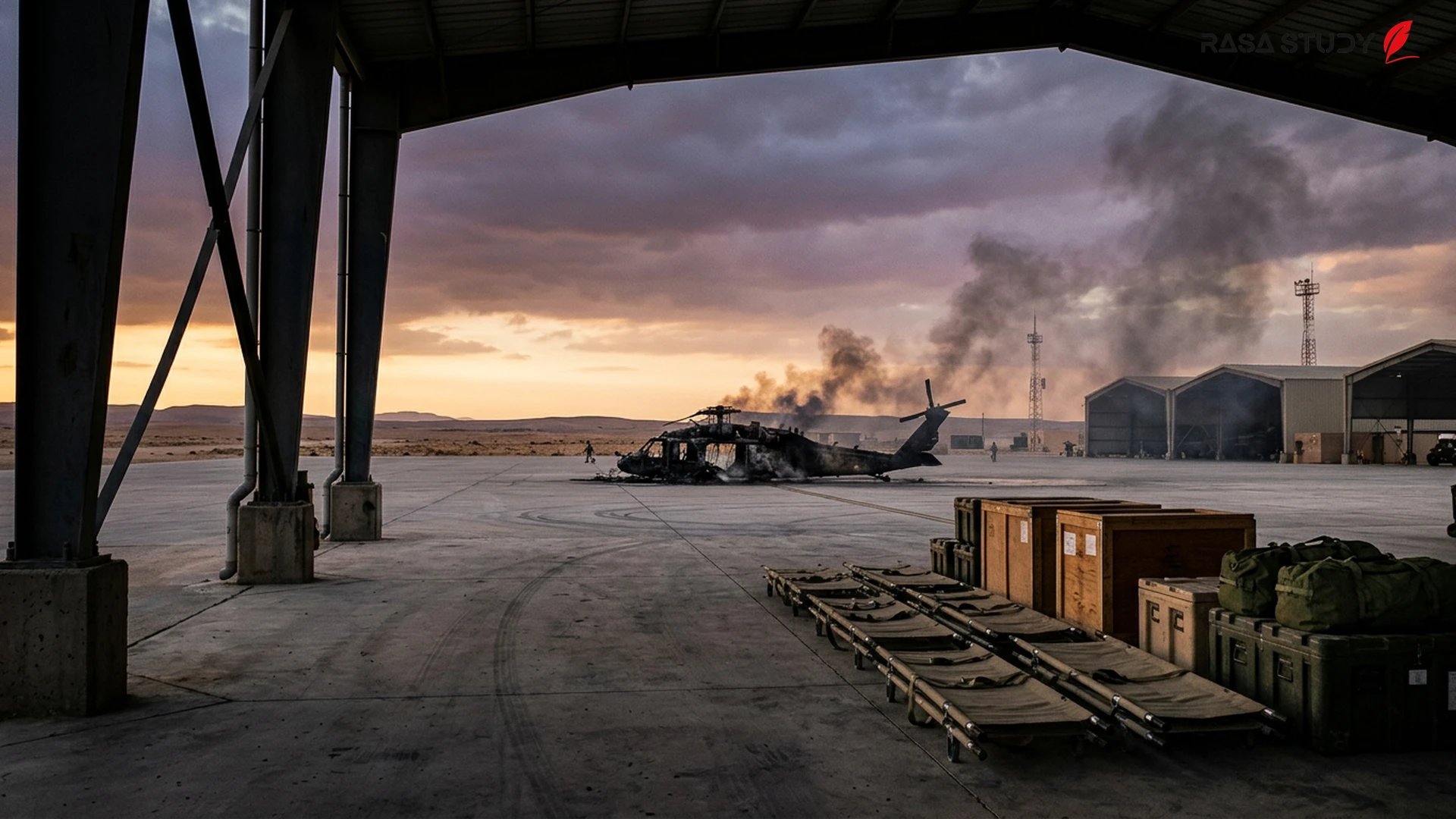
IRGC Missile Response to U.S. Bases in Kuwait and Bahrain In response to the United States airstrikes, the Islamic Revolutionary Guard Corps (IRGC) announced in the early hours of Sunday, June 28, that it had conducted missile and drone operations against U.S. military positions in the region. According to published reports, the "Ali Al-Salem" Air Base in Kuwait and the headquarters of the U.S. Navy's Fifth Fleet in Bahrain were targeted [2][3].
The IRGC warned in its statement that any new adventure would be met with a "more crushing response." Meanwhile, U.S. President Donald Trump announced in a threatening message that if Iran does not adhere to the ceasefire agreement, the U.S. military will "finish the job" [4]. U.S. Vice President JD Vance also emphasized that "violence will be met with violence" [2].
Diplomacy at a Deadlock and Global Concerns This crisis occurs at a time when the diplomatic delegations of the two countries were scheduled to meet in Switzerland next week for the second round of final peace negotiations. Ebrahim Azizi, Chairman of the National Security Commission of the Iranian Parliament, accused Washington of bad faith in the midst of negotiations and believes that the U.S. President has shown he does not adhere to any negotiating principles [3][4].
International experts warn that the continuation of this situation not only endangers energy security in the Strait of Hormuz but could also lead to a full-scale regional war. Currently, global oil prices have seen an unprecedented jump following these conflicts, and the international community is watching the developments of the coming hours with concern [2][5].
Military tensions in the Strait of Hormuz have once again endangered international maritime security.
linkSources
- İran-ABD arasında tansiyon yeniden yükseldi: 'Açık bir ihlal!' — Ege Postası (2026-06-27)
- US and Iran trade strikes as both sides accuse the other of endangering ceasefire — The Guardian (2026-06-27)
- Iran says US breached MoU, warns neighbours over use of territory — Iran International (2026-06-27)
- U.S. military launches fresh strikes against targets in Iran — The Washington Post (2026-06-28)
- Iran blames US for undermining ceasefire agreement — ANA Press (2026-06-27)