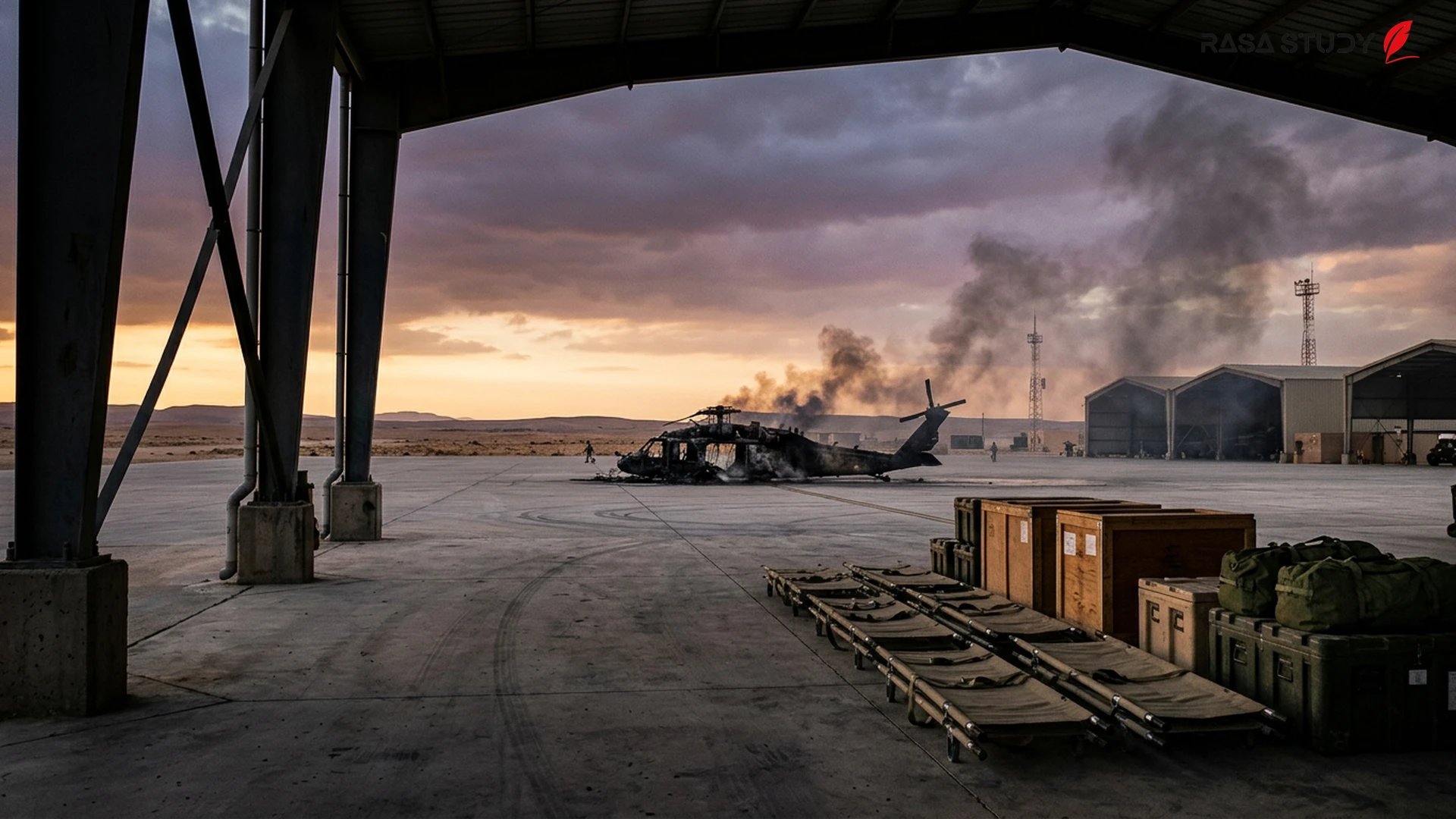
As military conflicts relatively subsided in July 2026, the regional housing market faced a dual situation; where crisis in war zones paved the way for an unprecedented surge in demand in safe markets. [1][4]
Today, July 10, 2026, the real estate market in the Middle East is witnessing one of the largest capital shifts in the last decade, influenced by the consequences of the recent Iran war. Field reports and analyses provided by groups such as Herbir Amlak indicate that this crisis has divided the housing sector into two completely different poles: heavy stagnation in conflict centers and a sudden boom in the region's financial havens.
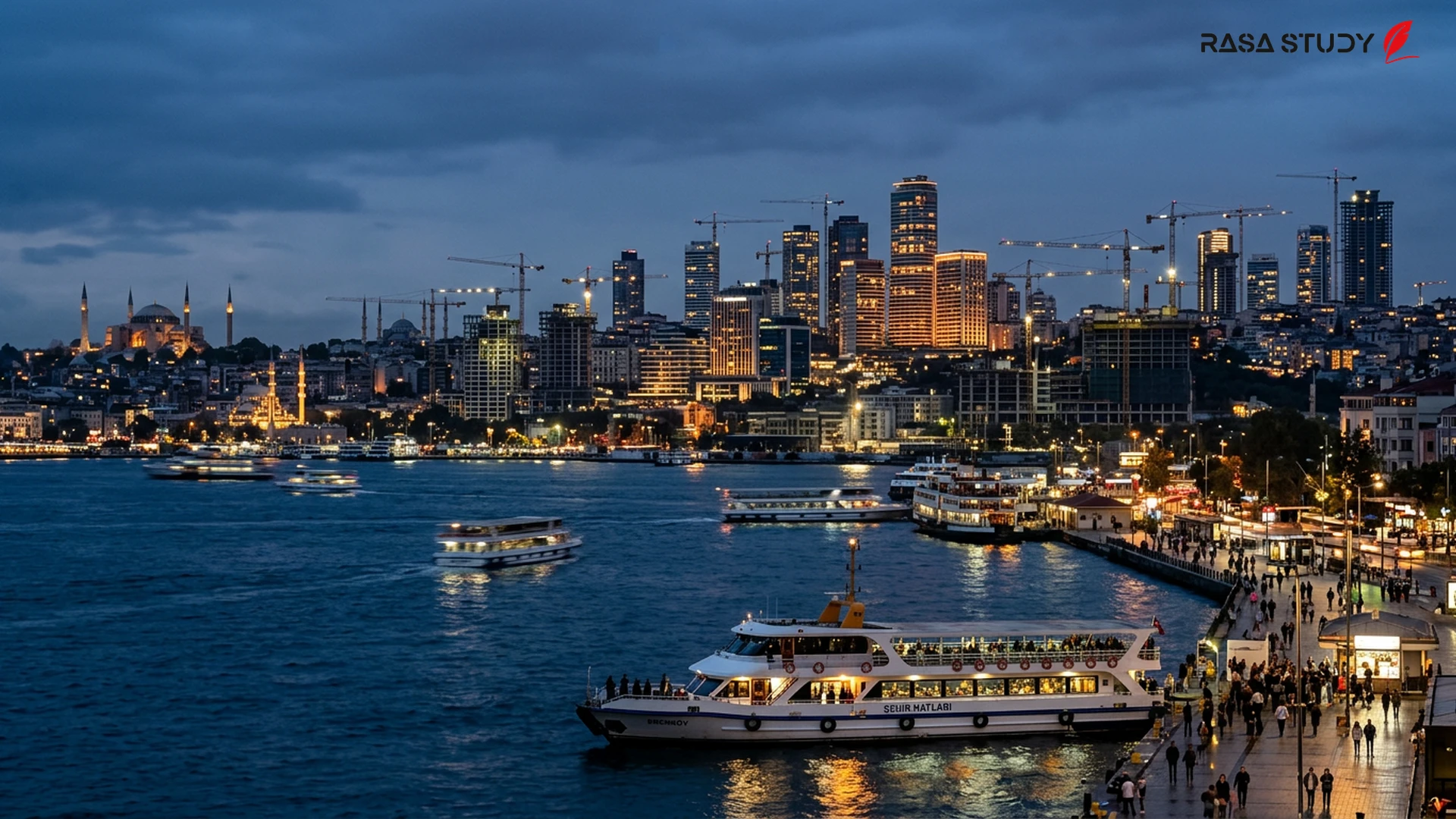
Shift of Power: From Dubai to Istanbul One of the most prominent consequences of this war has been the redirection of international and regional investors. While Dubai was the primary destination for floating capital for years, recent conflicts caused the real estate transaction index in this city to face a 30% drop [1]. In contrast, Turkey has emerged as the big winner of this crisis. According to published data, Iranian buyer demand for property in cities like Istanbul and Bodrum has increased by more than 200% [1][4]. This influx of capital is driven not only by geographical security but also by the desire to obtain citizenship and preserve asset value against severe currency fluctuations.
Domestic Situation in Iran; Housing as an Inflation Shield Inside Iran's borders, despite the heavy shadow of war, housing prices continue an upward trend in nominal terms. The sharp devaluation of the Rial and high inflation rates have caused housing to be viewed no longer as a consumer good, but as the only lifeline for preserving household wealth [2]. The average price per square meter of residential units in Iran's urban areas has reached approximately 53 million Tomans, although actual transaction volumes are at their lowest level due to reduced public purchasing power and economic insecurities [2].
Emerging Opportunities Amidst the Crisis Herbir Amlak notes in its recent report that despite the depth of the crisis, new opportunities have emerged for bold investors. These opportunities mainly include purchasing distressed assets in peripheral areas as well as investing in post-war reconstruction projects. Furthermore, with the relative stabilization of conditions in recent days and the decline in global oil prices—which has helped stabilize mortgage interest rates—hopes for buyers returning to the market in the second half of 2026 have increased [3].
Future Outlook and Market Stability Analysts believe the housing market is adapting to a "new reality." While markets in Israel and Iran's border regions have faced an annual price decrease of 1.3% [4], secondary markets in Turkey and even parts of Europe are seeing a new wave of liquidity. Stability in the Strait of Hormuz and the reduction of maritime tensions could be the key to restoring confidence in the global housing market and reducing interest rate volatility in the coming months [3].
The Turkish housing market in July 2026 has become the main destination for investors fleeing war zones.
linkSources
- Iranian buyers flood Türkiye as Dubai market cools — Türkiye Today (2026-04-19)
- Iran property prices in 2026: Trends and Forecasts — Sands of Wealth (2026-06-19)
- How the housing market survived the Iran conflict — HousingWire (2026-06-27)
- Housing snapshot July 2026: In shadow of Iran war, home prices fall — The Times of Israel (2026-07-02)