Writer and journalist Yusuf Karadaş warned in a recent interview that the recent military conflicts between Iran and Western powers have become a tool for intensifying systematic repression and increasing pressure on the Kurdish community in border regions.
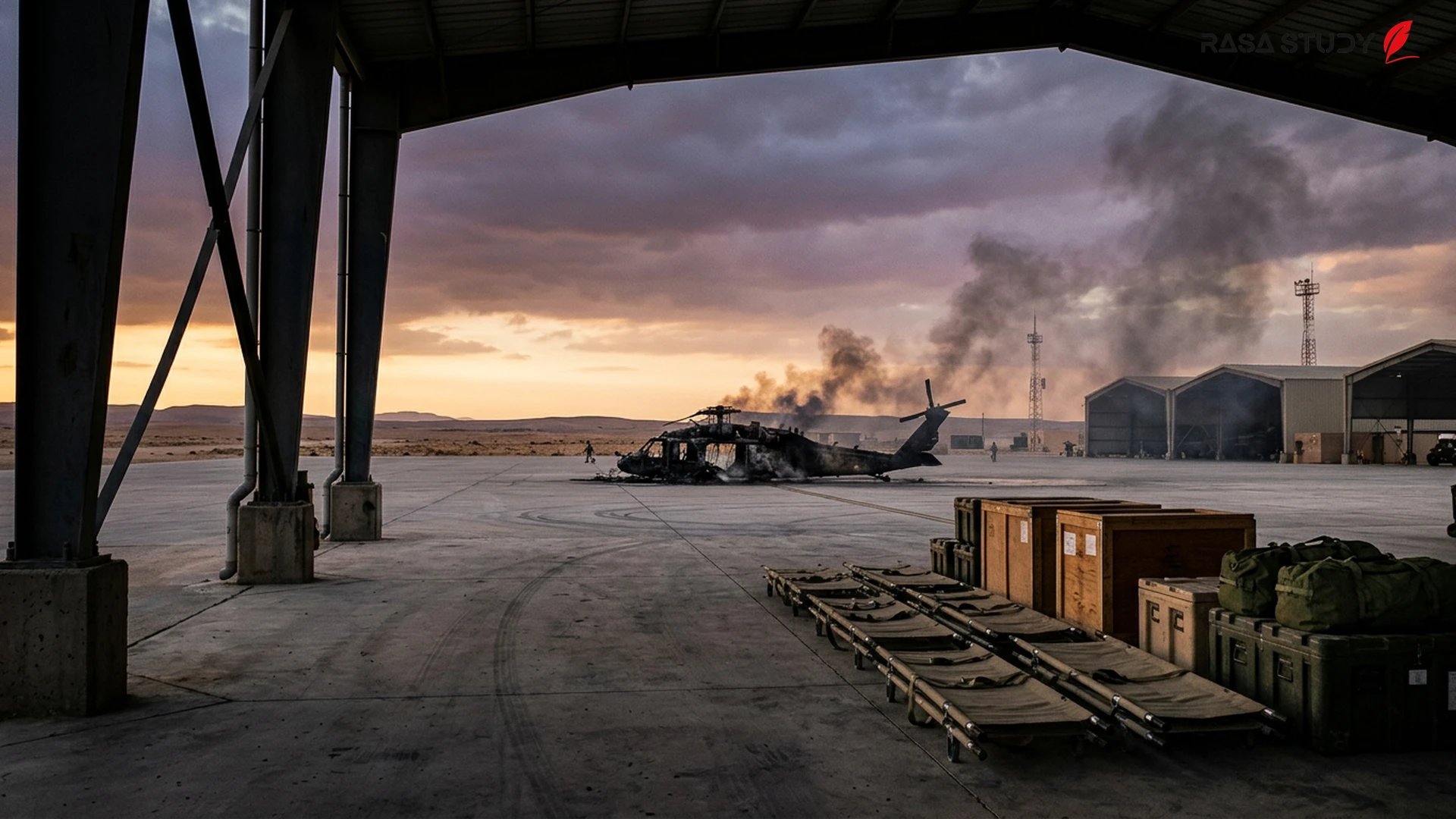
Context of the Crisis: The 39-Day War and Fragile Ceasefire As of today, June 28, 2026, the Middle East remains under the influence of the consequences of a war that began on February 28 and led to an unstable ceasefire after 39 days of heavy fighting between Iran, the United States, and Israel [1]. Although recent agreements in Switzerland attempted to calm the situation, reports of drone attacks in the Strait of Hormuz and CENTCOM retaliatory strikes on Iranian radar sites in recent days indicate the extreme fragility of this situation [4]. Meanwhile, prominent journalist Yusuf Karadaş believes that ethnic minorities, especially Kurds, are paying the highest human cost of these tensions.
Karadaş's Analysis: Kurds in a Security Vise In an interview with regional media, Karadaş emphasized that the Iranian government uses the war atmosphere to justify extremist security approaches. He notes that the policies of redesigning the Middle East by imperialist powers have placed the Kurds in a state of siege [1]. According to him, alongside external conflicts, pressure on Kurdish civil and political activists inside Iran has doubled under the pretext of "national security," and the government is exploiting this opportunity to weaken rights-seeking movements.
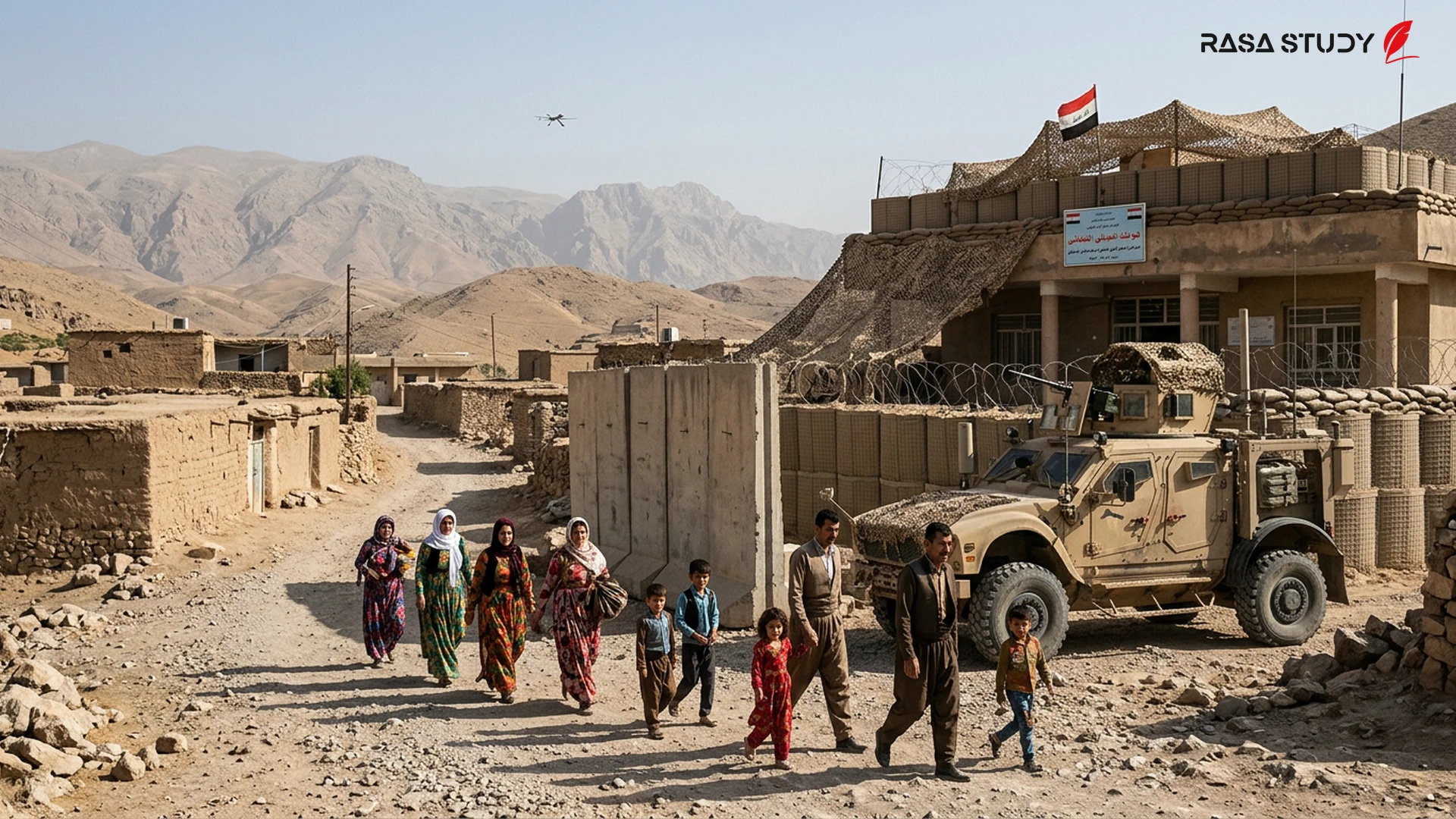
Alarming Statistics of Executions and Detentions Human rights reports published in June 2026 confirm Karadaş's words. According to data from international organizations, since the beginning of protests and conflicts in early 2026, Iran's Kurdish community has been disproportionately targeted by state violence [2]. Statistics show that approximately 7 percent of recorded executions in the first quarter of this year belonged to Kurdish citizens, while this group constitutes only a small portion of the total population. It is also reported that security forces have turned many public centers, such as schools in Kurdish areas, into military bases and checkpoints [2].
Regional Consequences and New Coalitions The 2026 crisis has led to the formation of the "Coalition of Political Forces of Iranian Kurdistan" (CPFIK), which has united various parties to counter pressure from Tehran [3]. However, Iranian missile and drone attacks on the camps of these parties in the Kurdistan Region of Iraq continue even after the declaration of an official ceasefire [4]. Karadaş warns that the continuation of this situation will not only lead to a human catastrophe in Kurdistan but could also spark sectarian civil wars across the region that would take years to rebuild.
Yusuf Karadaş believes the 2026 war atmosphere has become an excuse for broader repression of ethnic minorities in Iran.
linkSources
- Gazeteci Yazar Karadaş: İran savaşı, Kürtler üzerindeki baskıyı artırdı — Politika Haber (2026-06-27)
- Iran increases checkpoints in Kurdish region as minority group disproportionally executed — The Jerusalem Post (2026-06-03)
- 2026 Kurdish–Iranian crisis — Wikipedia (2026-06-28)
- Trump and Iran: A fragile ceasefire under pressure — Middle East Eye (2026-06-17)