Following the collapse of the June peace memorandum, Iran sent an official message to the United States rejecting any possibility of negotiation under current conditions and announcing that its armed forces are on the highest alert for an 'existential war.'
Following an unprecedented escalation of tensions in the Persian Gulf, the Iranian Ministry of Foreign Affairs announced in an urgent statement officially delivered to the United States government that it no longer has any plans for dialogue or negotiation with Washington. This diplomatic deadlock occurred after the fragile memorandum of understanding from June (June-July 2026) between the two countries completely collapsed and was replaced by direct exchanges of fire [1].
Tehran's Clear Message: Focus on Defense, Not Negotiation Esmaeil Baghaei, spokesperson for the Iranian Ministry of Foreign Affairs, emphasized in remarks widely reported by international media that Iran's approach has shifted from diplomacy to defense. He noted that Washington, by violating its commitments, has effectively blocked the path to peace. This message, delivered through official channels to American authorities, signals the end of the short-term de-escalation period that began in early summer 2026 [1][4].
Mohammad Bagher Ghalibaf, Iran's senior negotiator, also described the current situation as a 'vital and existential war' with the United States in sharp remarks. He warned that Iran's security depends on the security arrangements in the Strait of Hormuz and that Tehran will not allow any foreign force to take control of this vital artery [2].
Return of Naval Blockade and CENTCOM Attacks On the other hand, US President Donald Trump has officially notified Congress that hostilities with Iran resumed as of July 7. This move allows his administration to continue military operations for 60 days without requiring new Congressional approval [3]. US Central Command (CENTCOM) also announced the reinstatement of the naval blockade of Iranian ports and conducted extensive airstrikes against coastal defense positions on Greater Tunb Island and naval facilities in Bandar Abbas [2][5].
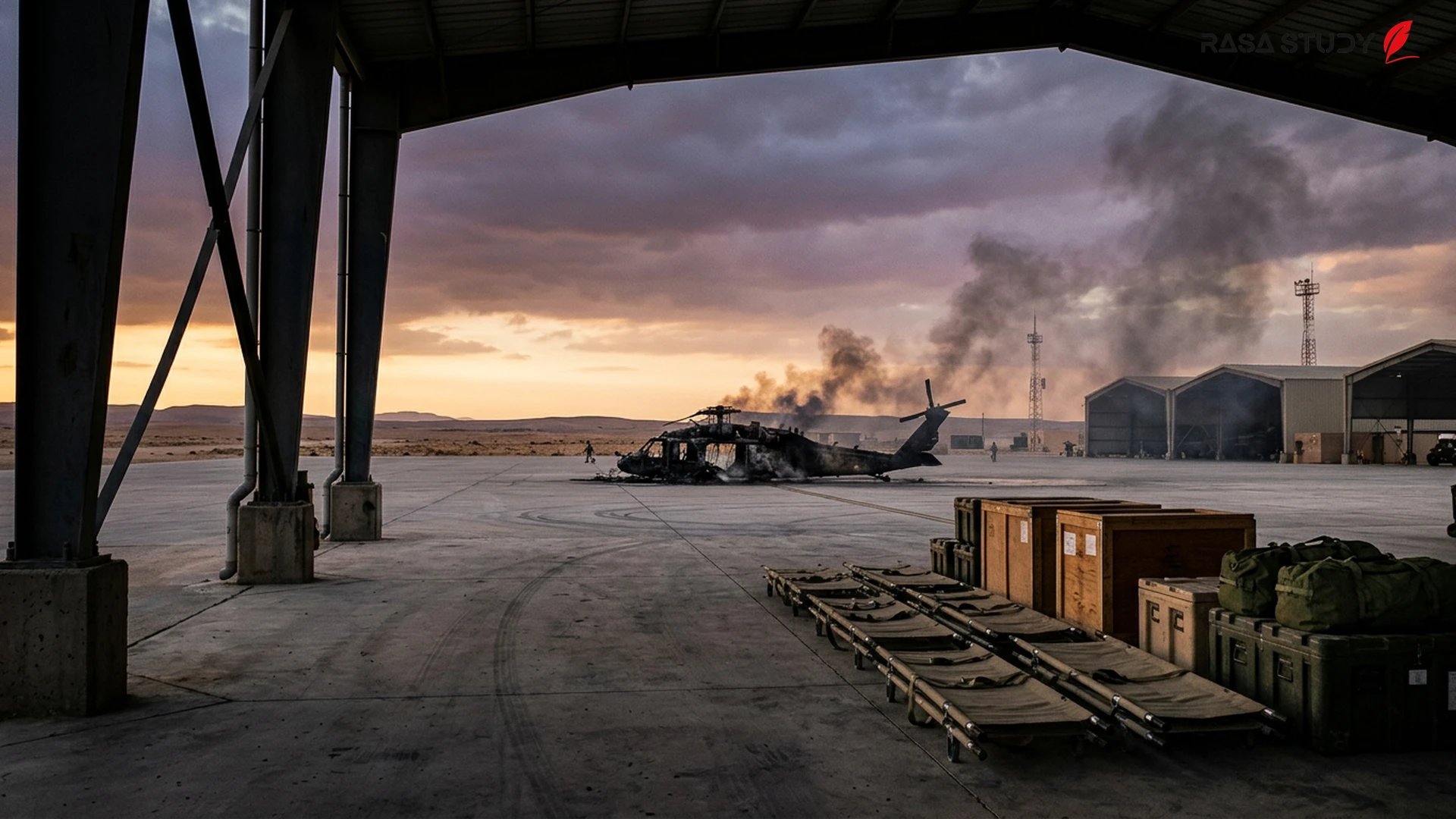
Regional Conflicts Ignite Iran's response to these attacks has been swift and multifaceted. Reports indicate drone and missile attacks by the IRGC on US military bases in Kuwait (Ali Al-Salem Base), Bahrain (Juffair area), and Jordan [5]. The Kuwaiti military confirmed that its defense systems intercepted several attacking drones in its airspace [5].
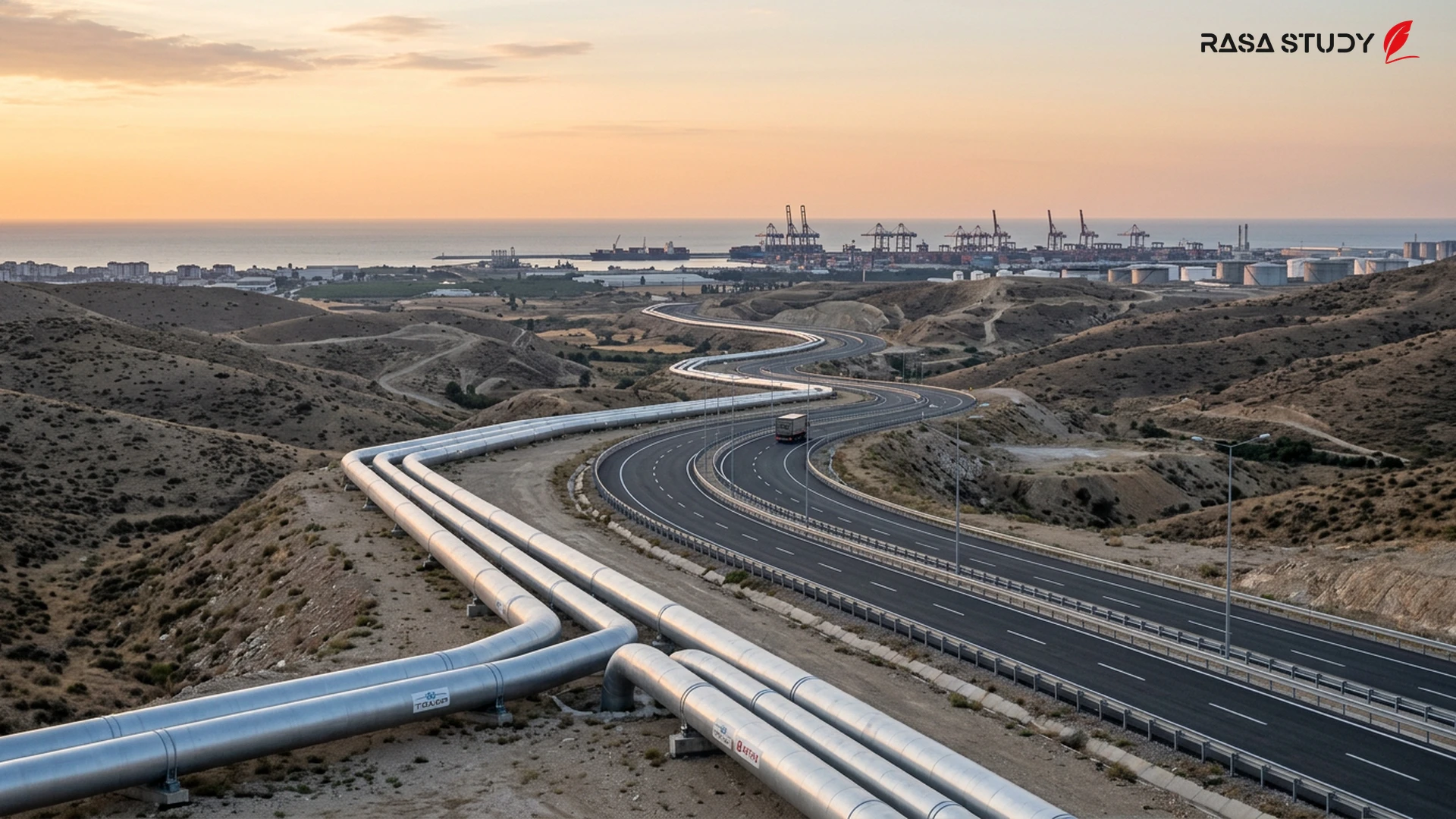
Iran has also warned neighboring countries that if they provide their territory or airspace for US attacks, they will be considered legitimate targets. This situation has sent global energy markets into shock, pushing Brent crude prices to their highest levels in recent months, as Iran once again threatened to completely close the Strait of Hormuz and halt regional energy exports [2][4].
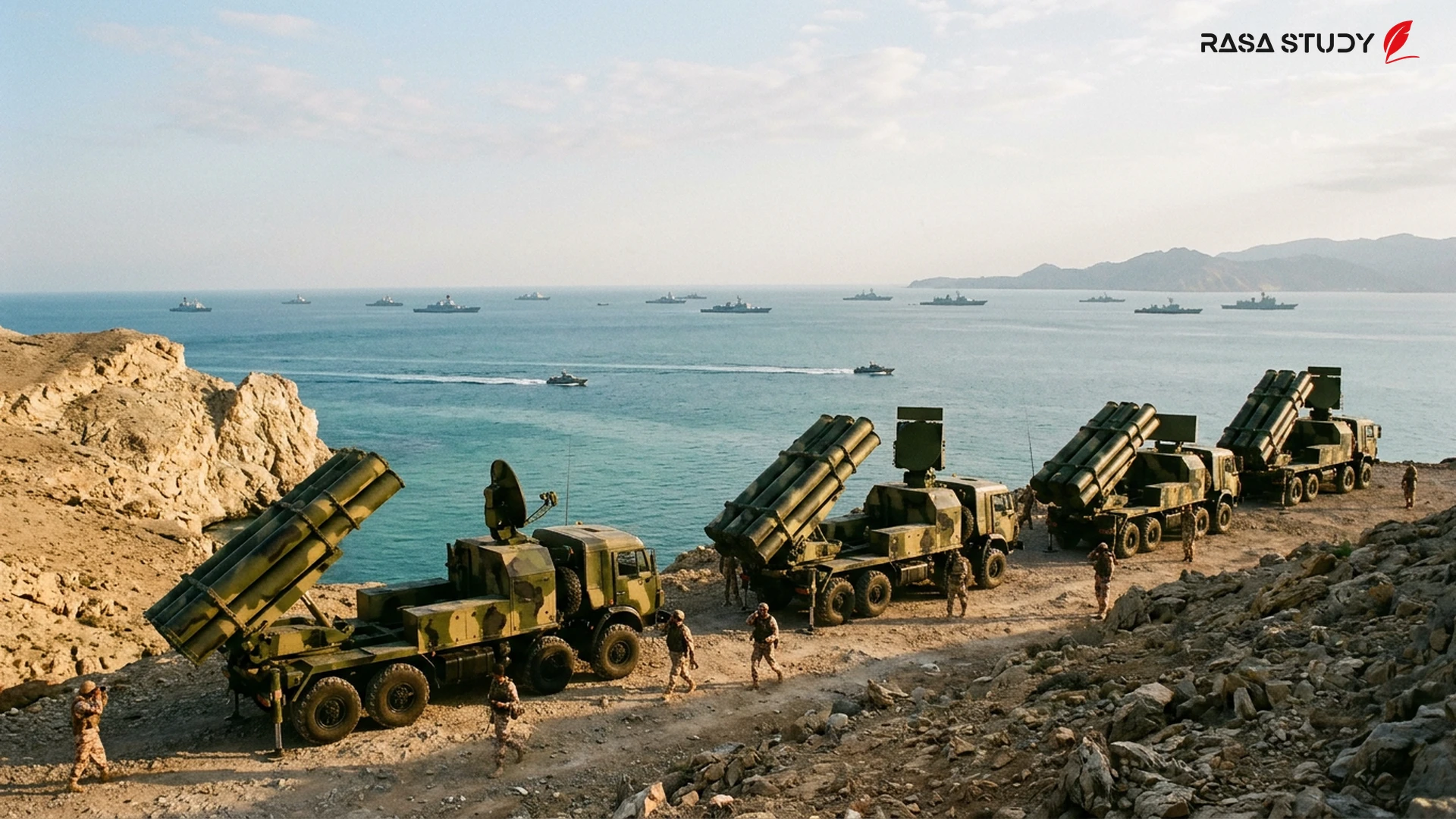
Image of military deployment in the Persian Gulf coinciding with the declaration of emergency by Iran and the US.
linkSources
- İran'dan son dakika savaş açıklaması! ABD'ye resmen ilettiler! — Haber 7 (2026-07-15)
- U.S. launches strikes on Iran as 'existential war' declared — Al-Monitor (2026-07-16)
- Trump notifies Congress of resumed hostilities with Iran — The Straits Times (2026-07-13)
- Iran warns Middle East conflict will engulf all countries — ArabicTrader (2026-07-13)
- Kuwaiti air defences intercept Iranian drones amid escalating conflict — Gulf News (2026-07-15)