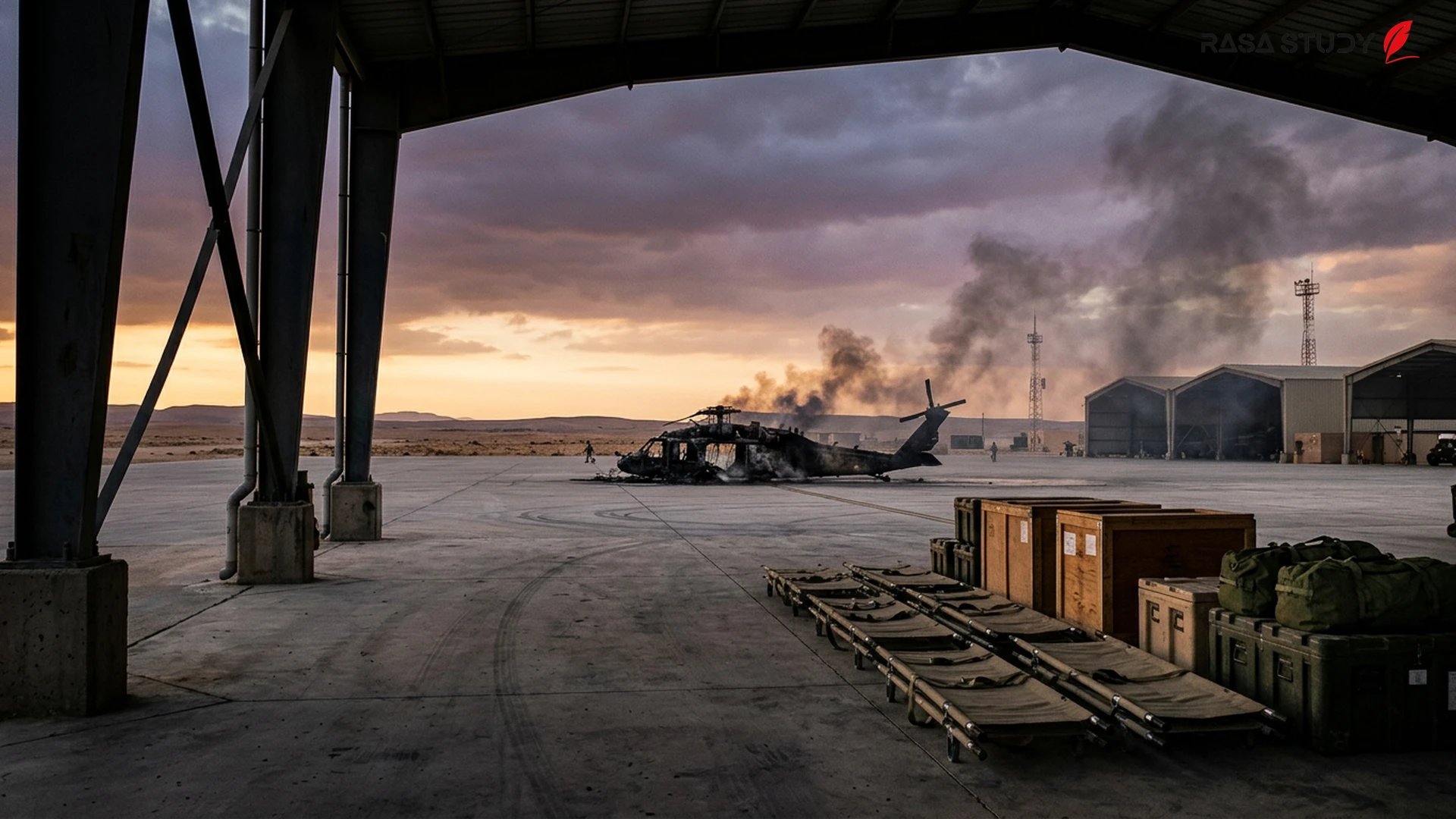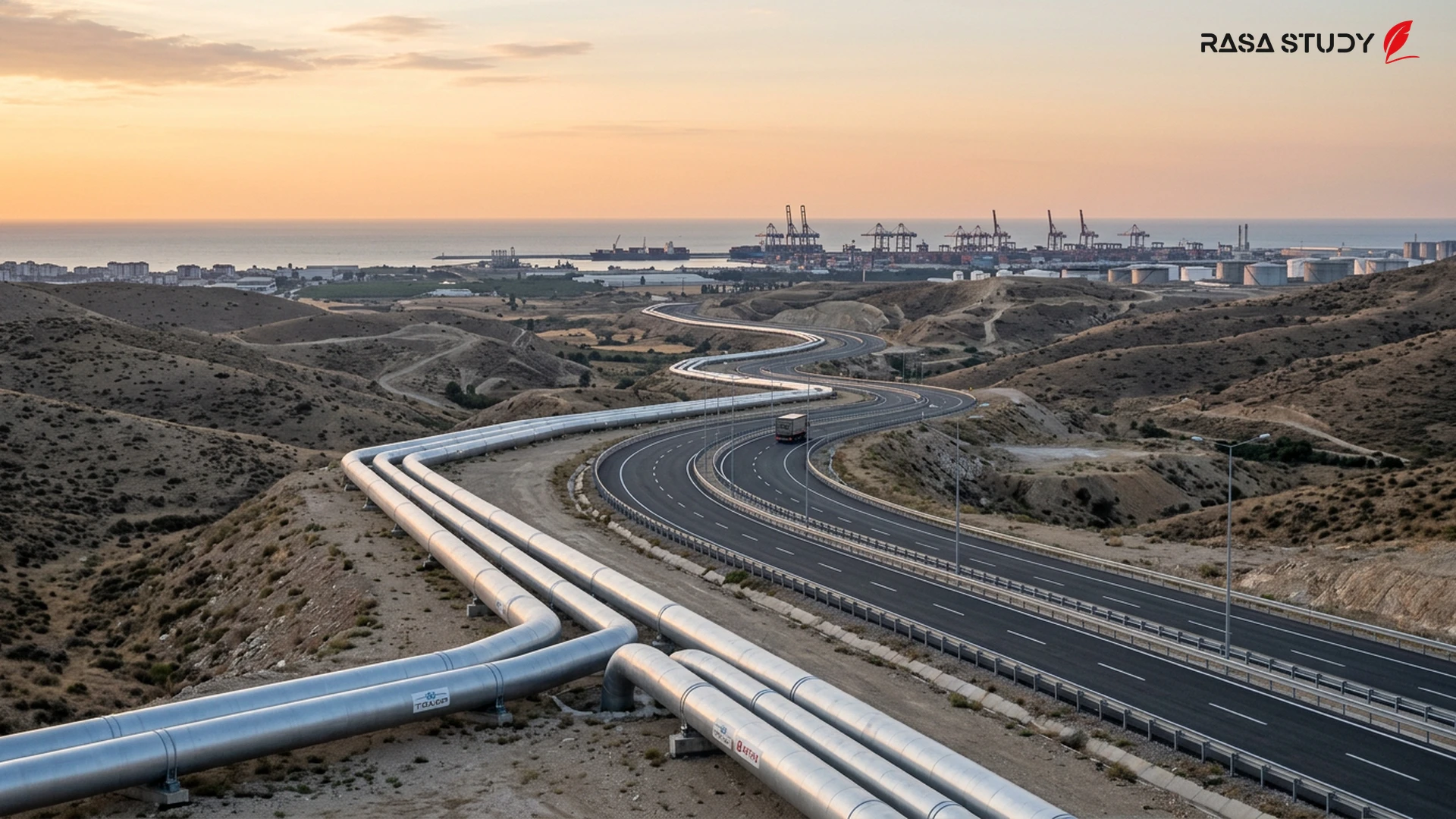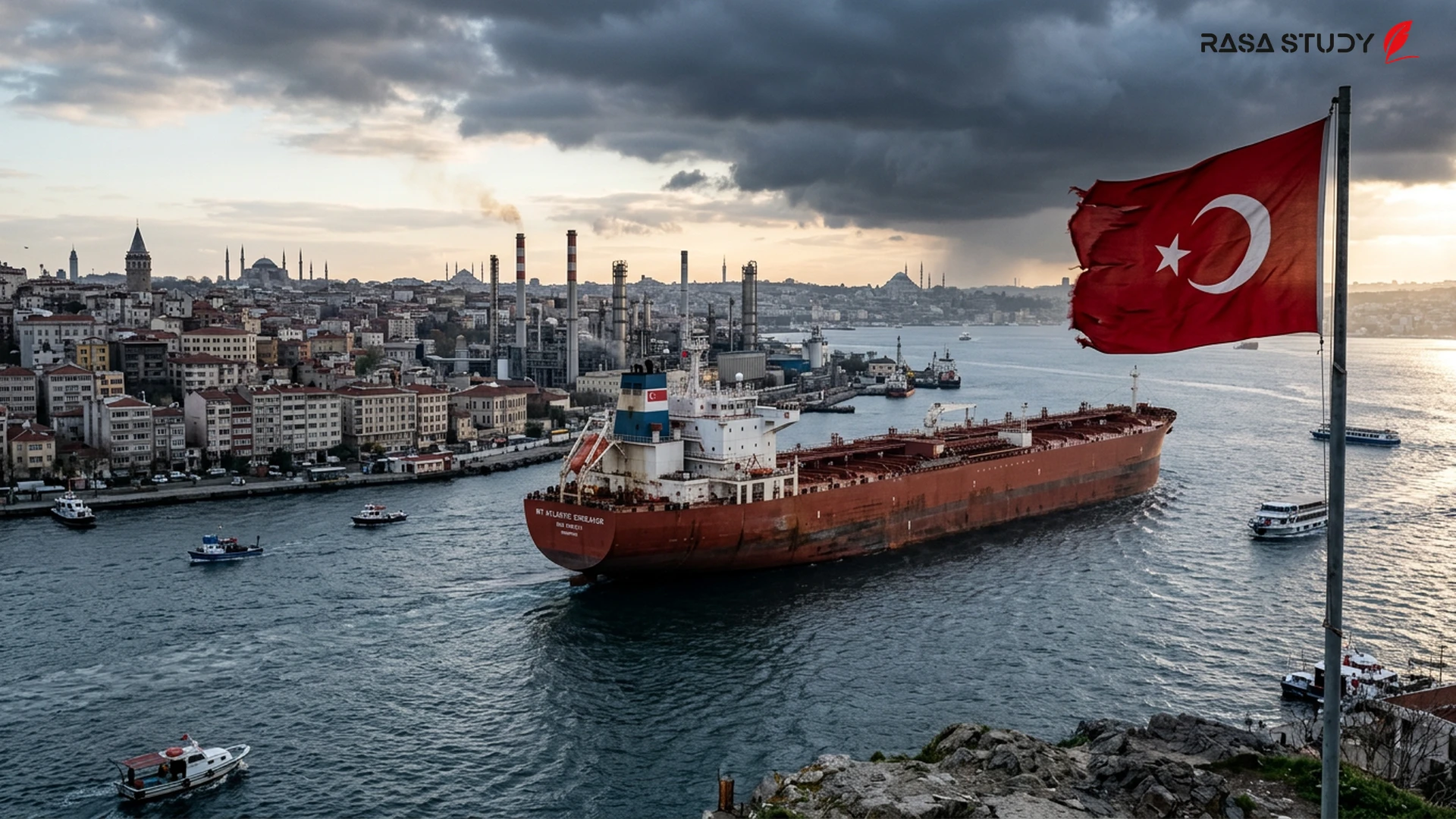
With escalating military tensions in the region and the serious threat of closing the Strait of Hormuz, Turkey's economy faces one of its greatest challenges in recent decades. Rising energy prices and disruption of transit routes target Ankara's financial stability.
A Lifeline at Risk: Why Hormuz is Vital for Turkey? In July 2026, military developments in the Persian Gulf have once again drawn global attention to the Strait of Hormuz. This waterway, which is the passage for more than 20% of the world's consumed oil, has now become the "bottleneck" of the Turkish economy. Economic analysts warn that any long-term disruption in this route directly affects production costs and the livelihood of people in Turkey [1]. As a country heavily dependent on energy imports, Turkey has shown itself to be highly vulnerable to fluctuations in this region.
Oil Shock and Unbridled Inflation in Ankara The Turkish government's biggest concern is the jump in oil prices to above $100 per barrel. Given Turkey's economic structure, the increase in global energy prices quickly translates into domestic inflation. Recent reports show that the potential closure of the Strait of Hormuz could push the inflation rate, which was already at high levels, to alarming figures [2]. This situation not only increases transportation costs but also sharply raises the final price of goods in the agricultural and industrial sectors.
Trade Balance and the Lira Value Crisis Pressure on the Strait of Hormuz is not limited to oil prices. Turkey, which has tried to manage its balance of payments deficit in recent years, now faces a potential decrease in exports and an increase in import costs. Disruption in global supply chains passing through the region's maritime routes could lead to a decrease in Turkey's foreign exchange earnings [3]. This imbalance has put additional pressure on the value of the Lira and made the Central Bank's efforts to stabilize the currency market face serious difficulties.
Future Scenarios for Turkey's Economic Diplomacy At this critical juncture, the Erdogan government faces a difficult dilemma: maintaining strategic relations with regional partners while simultaneously managing the domestic energy crisis. Experts believe that Turkey must quickly seek energy supply alternatives and strengthen its strategic reserves to pass through this "Hormuz bottleneck" [1]. Success in this path depends on Ankara's ability to engage in political mediation and reduce tensions in the region, as the continuation of the Iran war could mean a deep recession for the Turkish economy.
The Strait of Hormuz, as a vital energy lifeline, is considered the key to Turkey's economic stability or collapse in 2026.
linkSources
- İran savaşı: Türkiye ekonomisinde Hürmüz kıskacı — T24 (2024-04-15)
- Oil prices steady as investors weigh Middle East tensions — Reuters (2024-05-13)
- How a wider Middle East war could affect the global economy — Al Jazeera (2024-04-15)