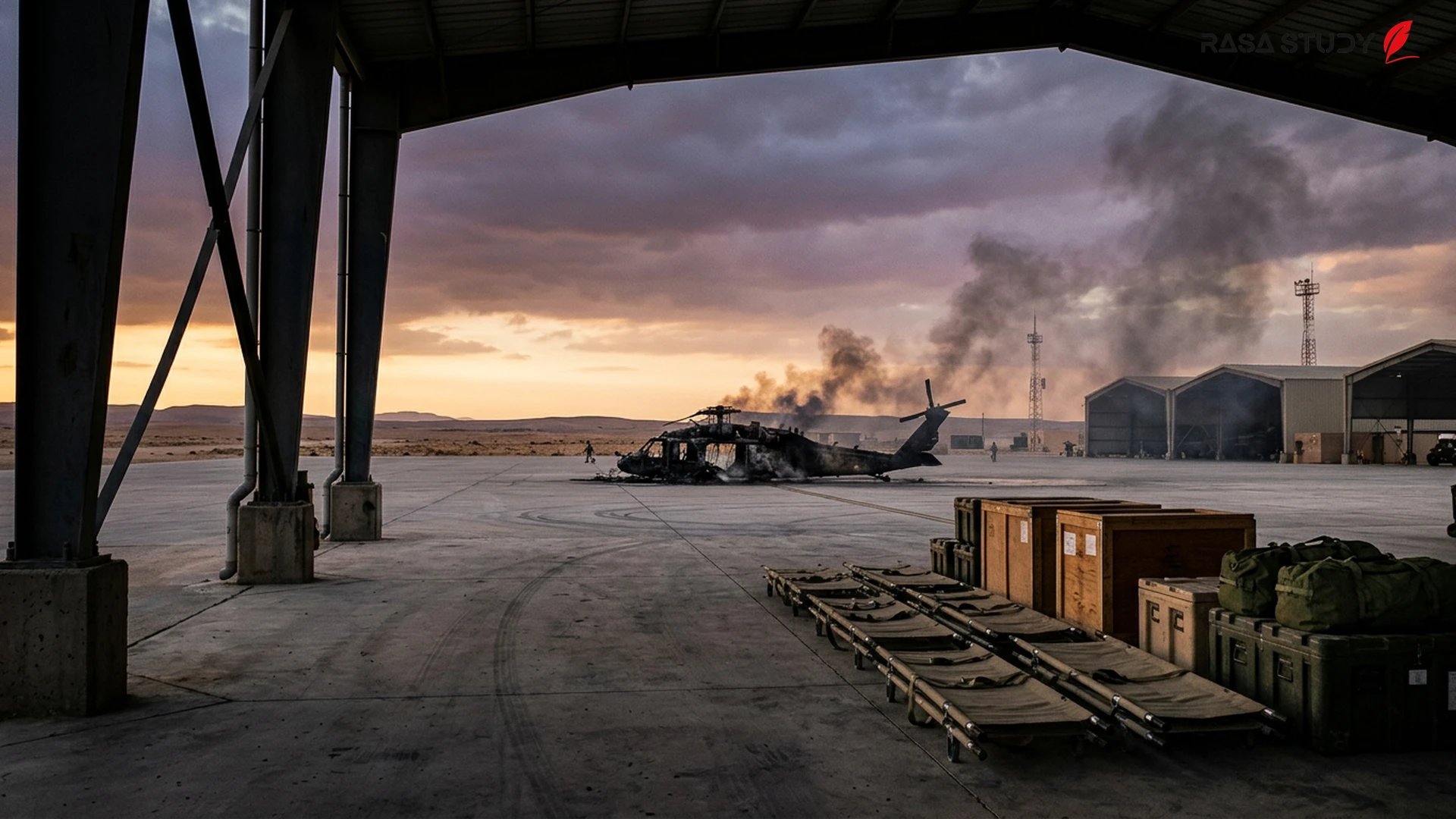
Following an unprecedented rise in geopolitical tensions, Iran has designated the region's 'sensitive points' as red lines, warning that any military adventure against the country would be an irreversible path and akin to a one-way ticket to destruction.
Escalation of Tehran's Diplomatic and Military Tone In recent days, the political atmosphere of the Middle East has been influenced by the sharp statements of Iranian military and political officials. According to a report published by the newspaper 'Türkiye Gazetesi', Iran has sent a clear message to regional rivals and extra-regional powers by pointing to the most sensitive strategic points in the region [1]. This warning, referred to as a 'one-way ticket to destruction', indicates a shift in Iran's defense doctrine toward active deterrence in the summer of 2026.
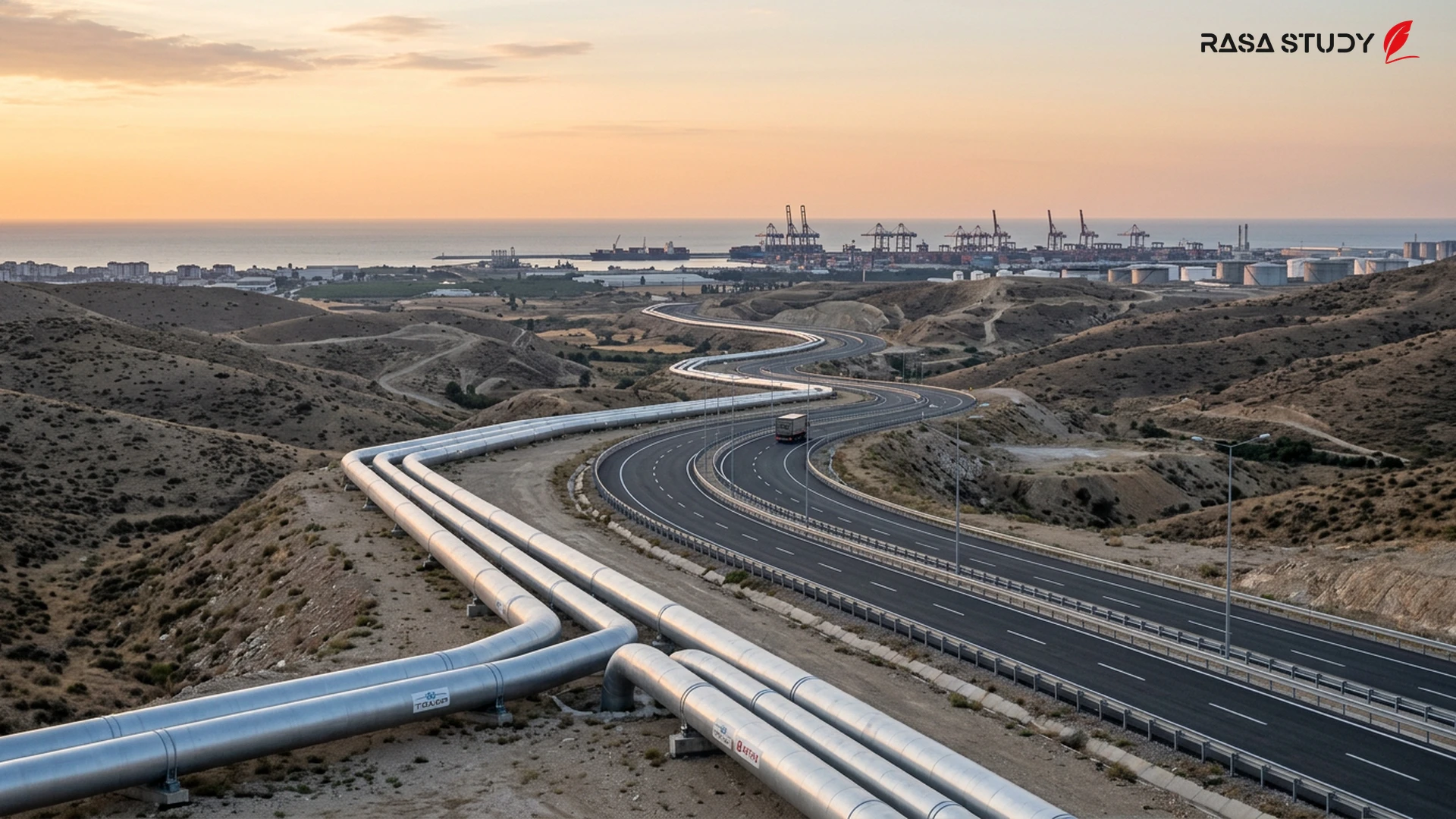
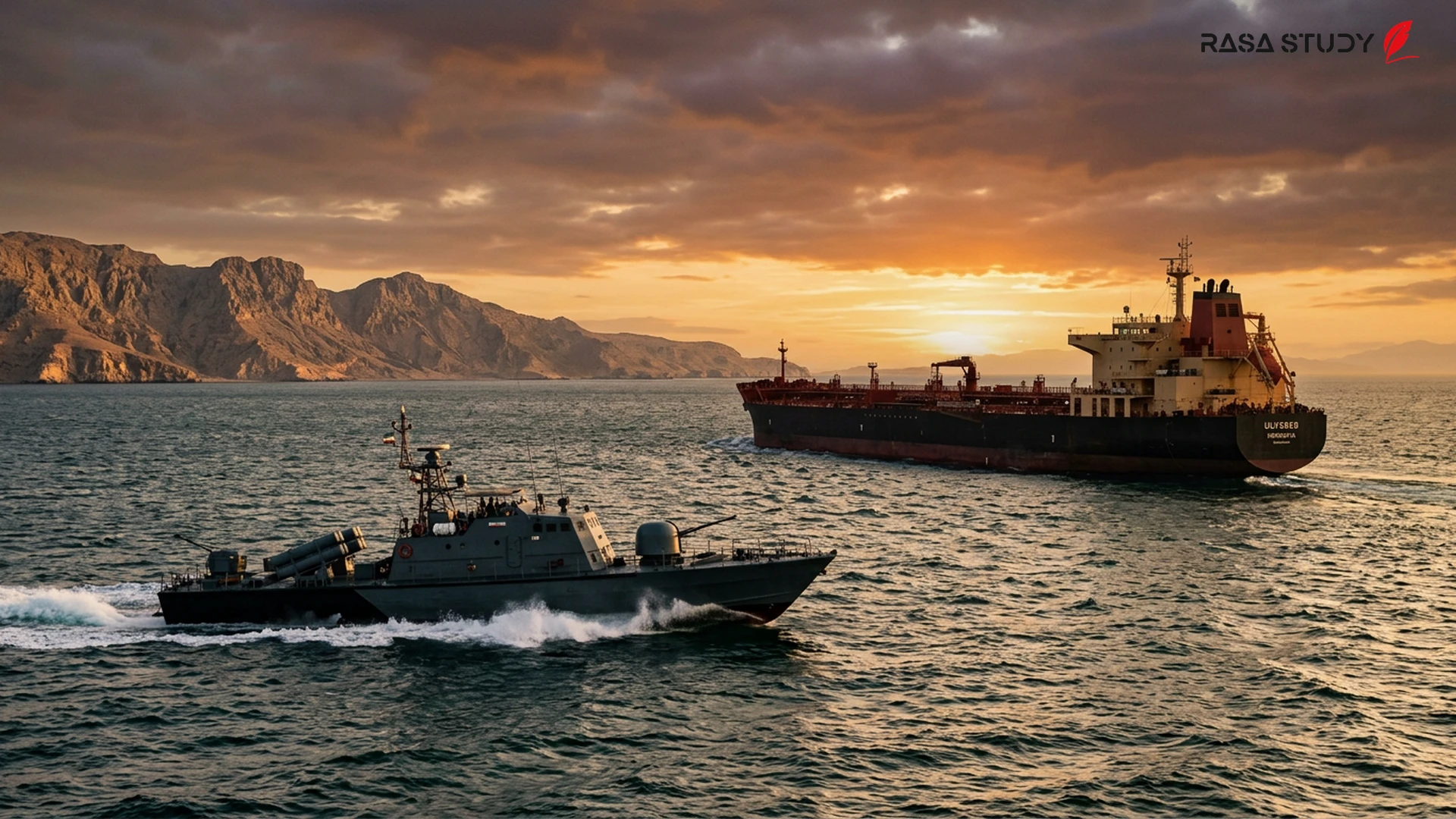
Focus on the Strait of Hormuz and Energy Corridors Analysts believe that by 'the most sensitive point', Iran refers to the Strait of Hormuz and energy transit routes in the Persian Gulf. Field reports indicate that Iran's armed forces have raised their operational readiness in these areas to the highest level [2]. Tehran has repeatedly stated that the security of this strategic waterway is a non-negotiable red line. Any attempt to disrupt Iran's oil exports or harass commercial vessels could spark a widespread conflict that, according to Tehran officials, will not end pleasantly for those who start it.
International Reflection and Turkey's Reaction Turkish media, particularly the newspaper 'Türkiye Gazetesi', are closely monitoring Iran's movements. These media outlets note that Tehran's new tone goes beyond simple rhetoric and is rooted in recent military developments at the maritime borders [1]. Experts in Ankara believe that by using the term 'destruction', Iran intends to significantly increase the cost of any intervention for the opposing side. Meanwhile, diplomatic efforts to reduce tensions continue, but the shadow of military threats weighs heavily on the negotiations.
New Defense Doctrine and Deterrence In 2026, Iran has placed special emphasis on developing its drone and missile capabilities. Recent statements show that Tehran has built its strategy on the basis of 'immediate and reciprocal response' [3]. This new doctrine seeks to make the opposing parties understand that any small aggression will be met with a large-scale reaction at sensitive geographical points. The phrase 'one-way ticket' precisely means that in the event of war, there will be no way back to previous stability, and the destruction will be mutual and extensive.
Conclusion and Future Outlook Given the current conditions on July 17, 2026, the region is in a fragile state. Iran's warning, though seemingly sharp, is part of a larger game to maintain the balance of power. The coming days will determine whether this rhetoric leads to the negotiating table or if the region must prepare itself for harder scenarios. What is clear is that Iran is no longer willing to remain silent in the face of increasing pressure at its sensitive border points [2].
Tehran has warned that any aggression against sensitive points in the region will have irreparable consequences.
linkSources
- İran bölgenin en hassas noktasını işaret etti! 'Yok oluşa giden tek yönlü bilet' — Türkiye Gazetesi (2026-07-16)
- Tehran warns of 'irreversible consequences' in the Persian Gulf — Al Jazeera (2026-07-15)
- Strategic Red Lines: Iran's New Defense Doctrine — Tehran Times (2026-07-14)