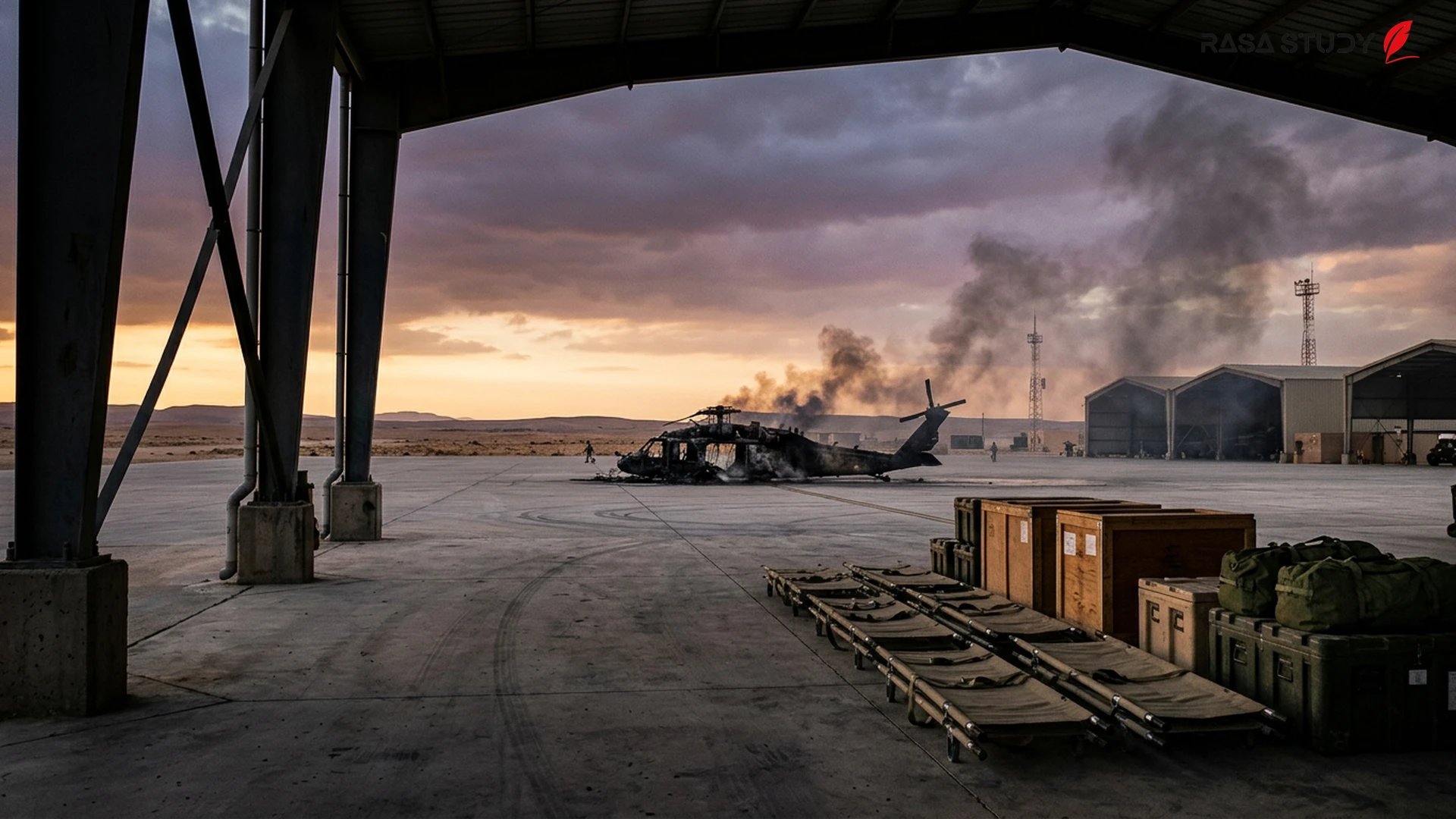
As diplomatic tensions between Tehran and Ankara over Caucasus transit routes reach a peak, threatening remarks by an Iranian Member of Parliament against Turkey have sparked a wave of reactions in regional media.
Today, July 2, 2026, relations between Iran and Turkey have entered a new phase of tension. Reports published in Turkish media, including the news outlet Haber61, indicate that a member of the Islamic Consultative Assembly of Iran has threatened Turkey with unprecedented language [1]. These statements come as the South Caucasus region remains on high alert due to the progress of projects related to the Zangezur Corridor.
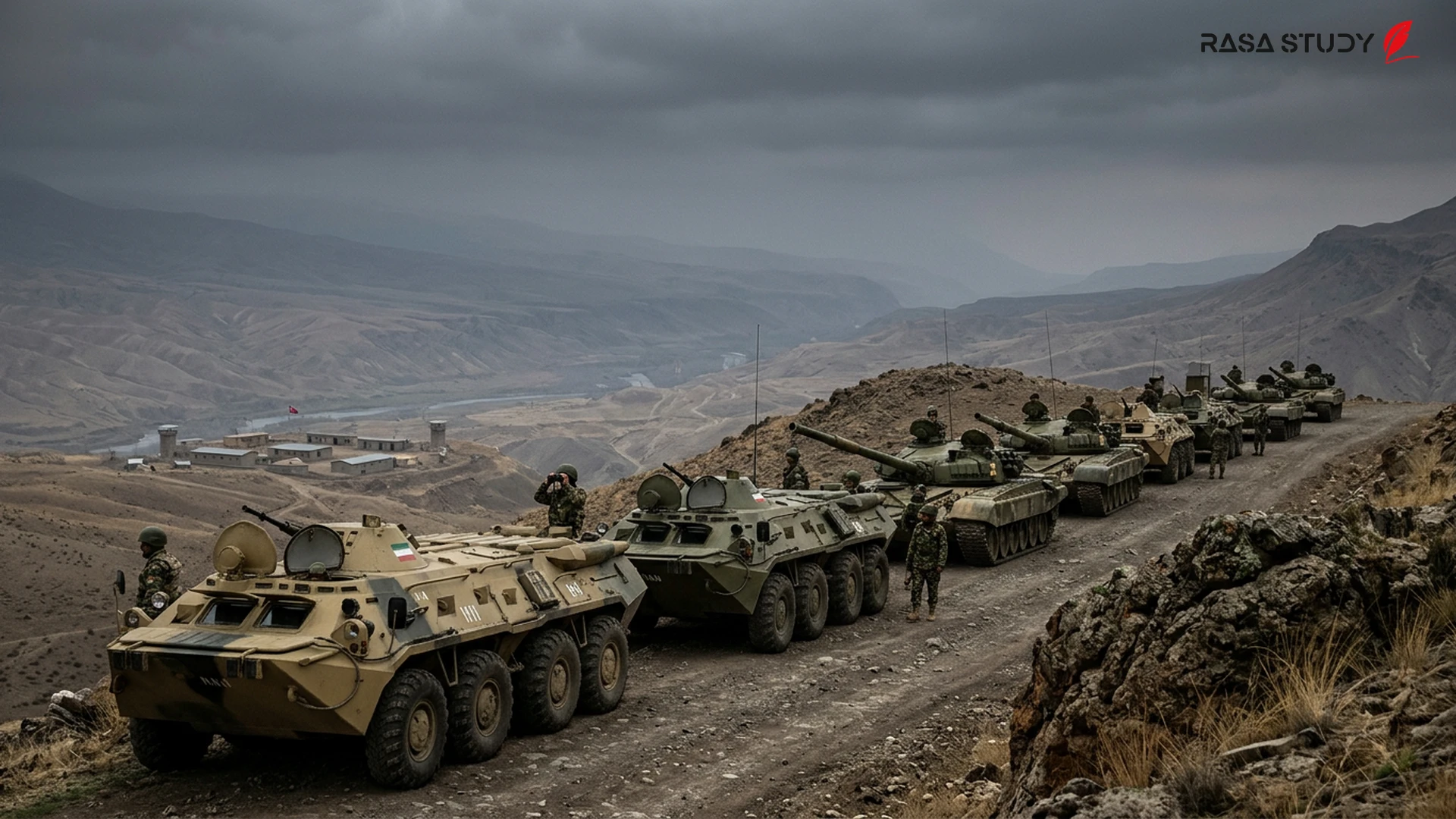
Tehran's Sharp Warning to Ankara According to received reports, the Iranian MP, referring to efforts by Turkey and the Republic of Azerbaijan to establish the Zangezur Corridor, warned that any change in international borders and the cutting of Iran's access to Armenia would be met with a harsh military response. These threats follow recent speeches by Iranian officials who consider the Zangezur Corridor their geopolitical "red line" [5]. Turkish media have described these remarks as a "direct threat against Ankara's sovereignty and national interests," calling for an official response from the Erdogan government.
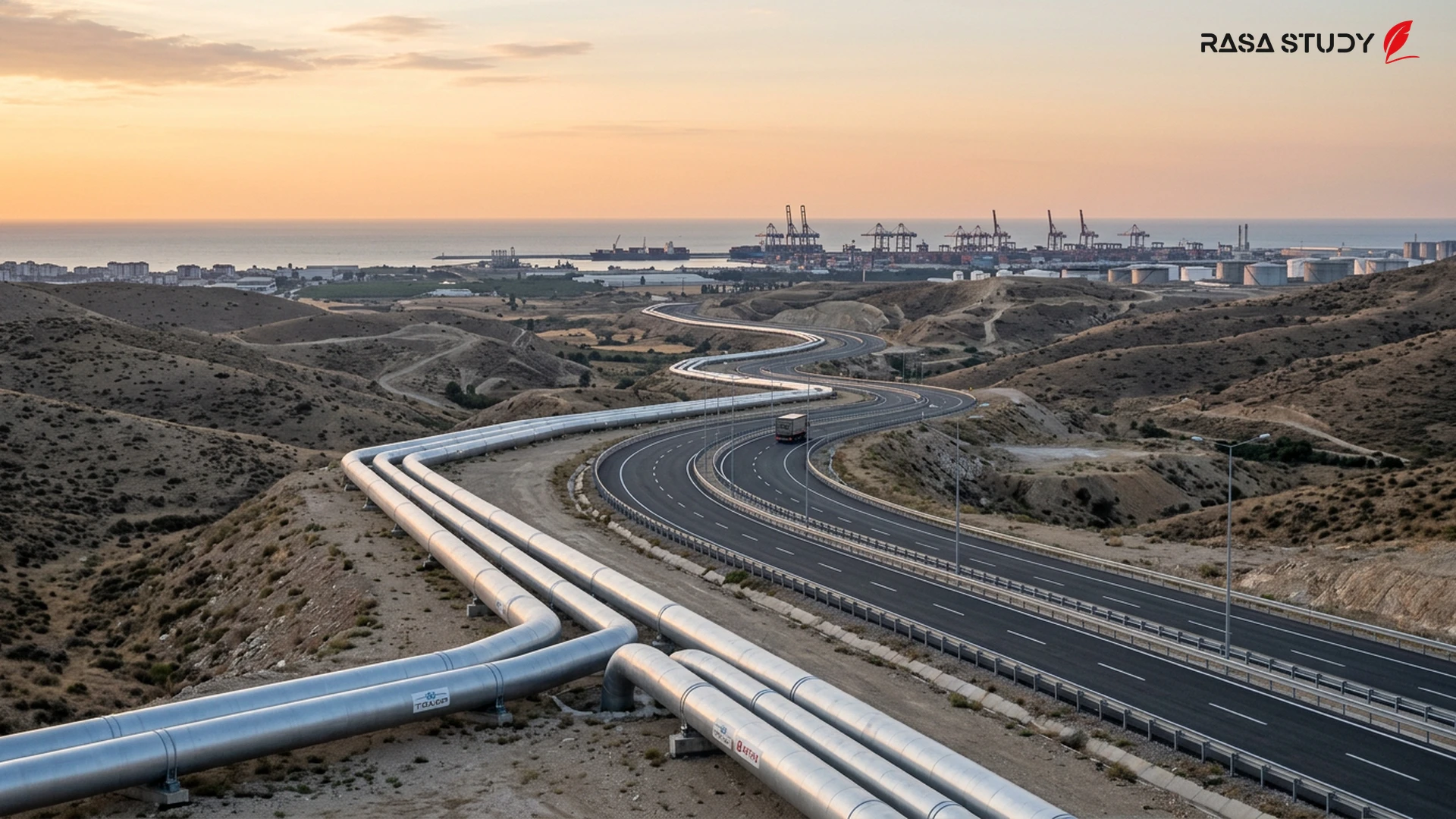
Zangezur Corridor: A Bone of Contention The root of these disputes lies in the Zangezur Corridor; a route intended to connect Turkey to the Republic of Azerbaijan through Armenian territory. Iran believes this plan not only threatens its historical borders with Armenia but also paves the way for a NATO presence north of Iran's borders [5]. In recent months, with mediation from the second Trump administration in Washington, this plan has gained momentum under the new name "Trump Route for International Peace and Prosperity" (TRIPP), further fueling the anger of Tehran officials [4].
Washington's Role and Multilateral Tensions The current situation is not limited to bilateral relations between Tehran and Ankara. Recent reports show that the US government, led by Donald Trump, has increased pressure on Iran while simultaneously supporting Turkey's infrastructure projects in the region [4]. On the other hand, Israeli Prime Minister Benjamin Netanyahu, in simultaneous remarks, has threatened both Iran and Turkey due to their positions on Jerusalem and regional issues [2][3]. This murky diplomatic atmosphere has significantly increased the likelihood of border or proxy conflicts in the Caucasus region.
Turkey's Reaction and Regional Consequences In Ankara, media and political analysts have warned against the "language of threat" used by Iranian officials. Many believe that Turkey, as a major regional power, will not allow its strategic trade routes to be blocked by external pressure. While Iran emphasizes maintaining the status quo of borders, Turkey and Azerbaijan insist on their "right of sovereignty" to establish transit routes. The continuation of this trend could confront the long-standing economic and security cooperation between the two neighbors with a serious and perhaps irreversible challenge [1][5].
Tensions between Iran and Turkey over transit routes in the South Caucasus have reached their peak.
linkSources
- İranlı vekil Türkiye'yi tehdit etti — Haber61 (2026-07-01)
- نتانیاهو، اردوغان را تهدید کرد — IRNA (2026-07-01)
- ادعاهای تهدیدآمیز نتانیاهو علیه ترکیه، مصر و ایران — ISNA (2026-07-01)
- اکسیوس: دو مسیر موازی ترامپ درباره ایران و لبنان متحدان آمریکا را سردرگم کرده است — Iran International (2026-06-30)
- The proposed Zangezur Corridor and Iran's security concerns — YPolitics (2025-08-28)