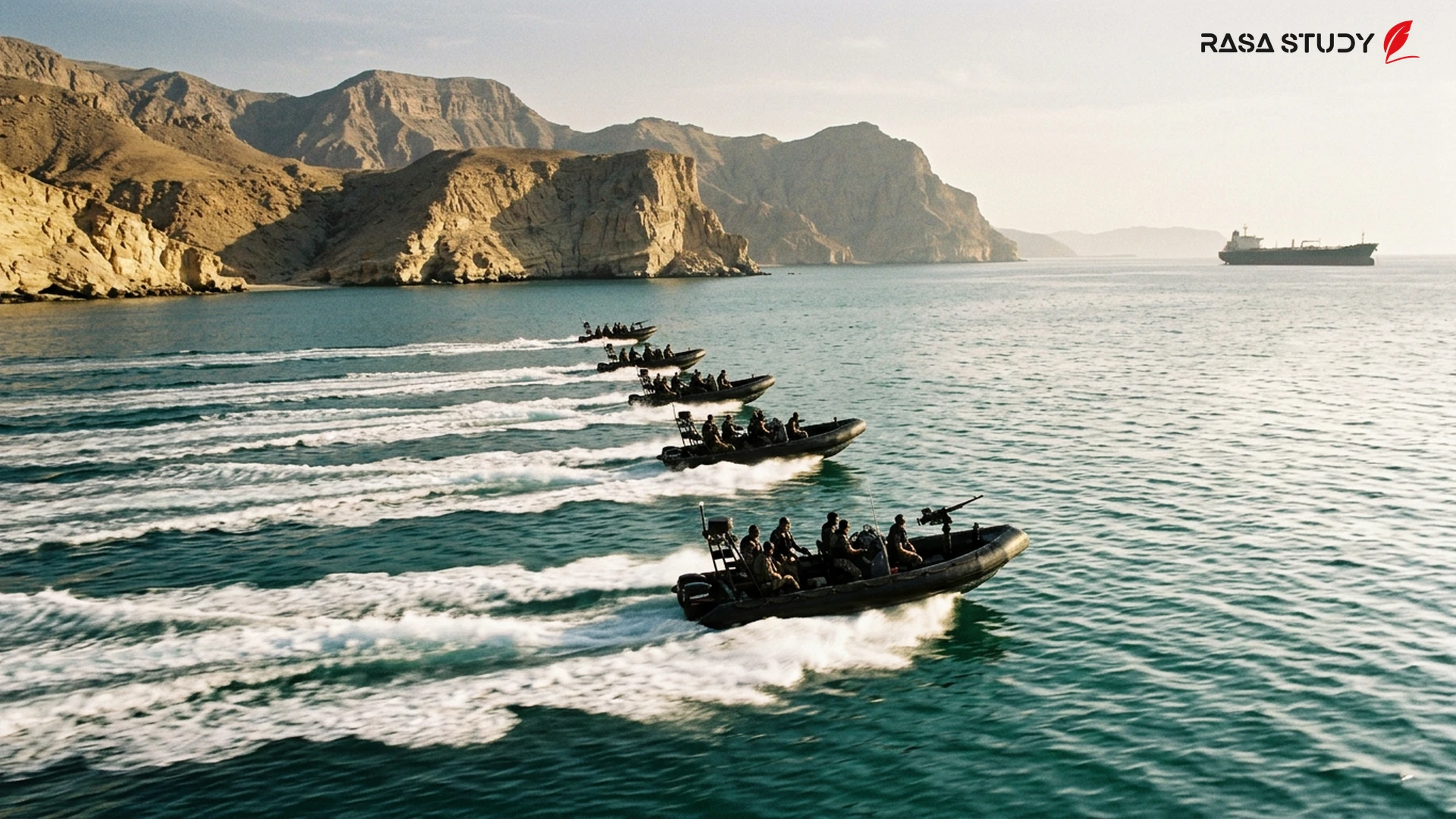
The Islamic Revolutionary Guard Corps (IRGC) Navy issued a decisive statement today, July 10, 2026, calling the presence of extra-regional forces in the Strait of Hormuz illegal and warning that US interventions have endangered the security of this strategic waterway.
Details of the IRGC Navy Strategic Statement The IRGC Navy emphasized in a statement released today that "foreign elements" and extra-regional powers have no rights or ownership in the Persian Gulf and the Strait of Hormuz [1]. This statement comes as military tensions between Iran and the United States have reached their peak. The IRGC announced in this notice that the transit capacity in the Strait of Hormuz under Iranian supervision has returned to approximately 50 percent of pre-war levels, but "adventurous" actions by the US military are preventing the full reopening of this vital energy route [2].
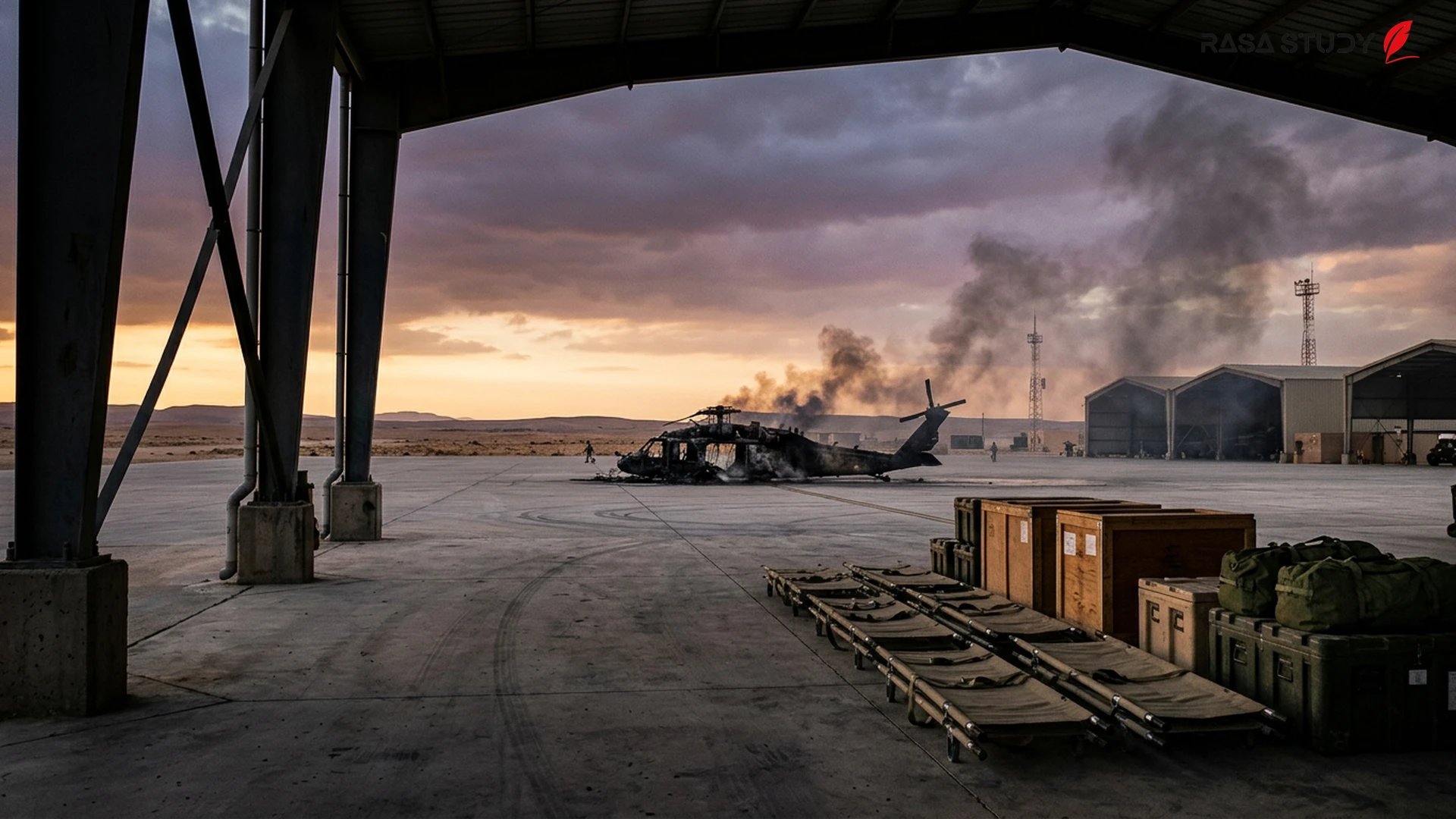
Reaction to Massive US Attacks and the End of the Ceasefire This statement is a direct response to developments over the past 24 hours. After US President Donald Trump announced the end of the ceasefire, US forces attacked approximately 90 targets inside Iranian territory, including missile facilities and infrastructure near Bushehr [3]. In response, the Revolutionary Guard targeted US military bases in Kuwait, Bahrain, and Qatar with missile and drone strikes. Today's statement emphasized that any US attempt to determine new shipping routes in the Strait of Hormuz will be met with a "decisive response," and Washington will be responsible for the consequences [1][4].
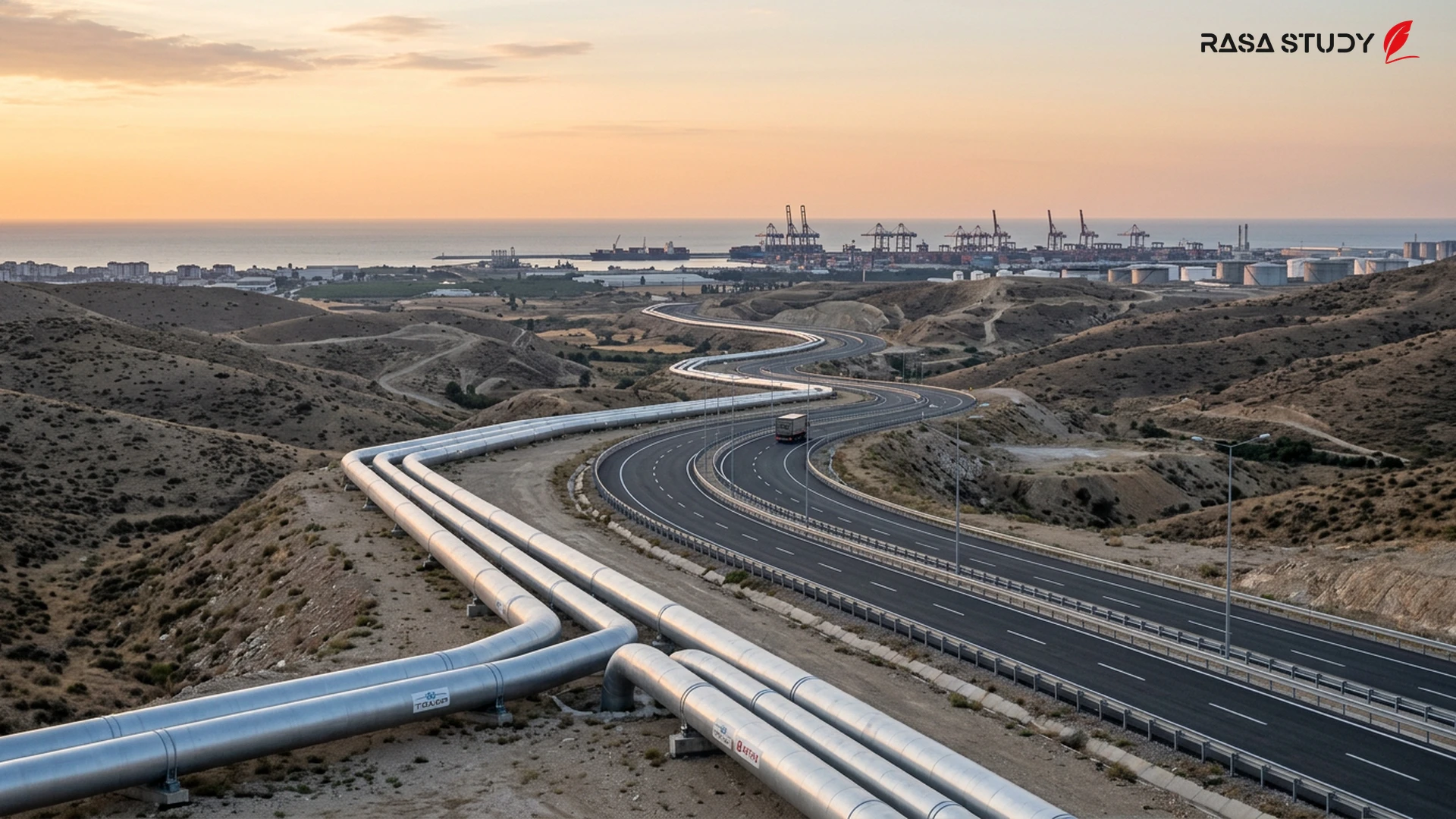
The War of Routes in the Strait of Hormuz Field reports indicate that maritime traffic in the Strait of Hormuz has been nearly suspended due to recent conflicts. While Iran only permits passage through routes designated by itself, the US has attempted to establish alternative corridors under its protection [4]. The IRGC warned that interference in Iran's navigation protocols not only halts the gradual reopening of the Strait but also endangers the interests of all countries dependent on maritime trade in this region [2].
Regional and International Consequences The escalation of tensions in the Strait of Hormuz has once again unsettled global energy markets. The International Monetary Fund (IMF) has lowered its global growth forecast for 2026 due to the impact of the war in the Middle East [1]. Iranian military officials emphasized that regional security must be provided solely by neighboring countries and that the presence of foreign warships only fuels instability. This statement reflects Iran's serious determination to consolidate its sovereignty over this waterway amidst one of the largest military crises in recent decades [2][3].
The IRGC Navy announced that the security of the Strait of Hormuz must be provided only by regional countries.
linkSources
- İran Devrim Muhafızları Ordusu'ndan ABD'ye Hürmüz Boğazı uyarısı — Haberler (2026-07-09)
- IRGC Navy Says Strait of Hormuz Traffic Restored to 50% of Pre-War Levels — WANA News Agency (2026-07-09)
- US strikes around 90 targets in Iran, who threatens 'grave consequences' — Fox News (2026-07-09)
- Hürmüz Boğazı'nda gemi trafiği durma noktasına geldi — Yurtsever (2026-07-09)