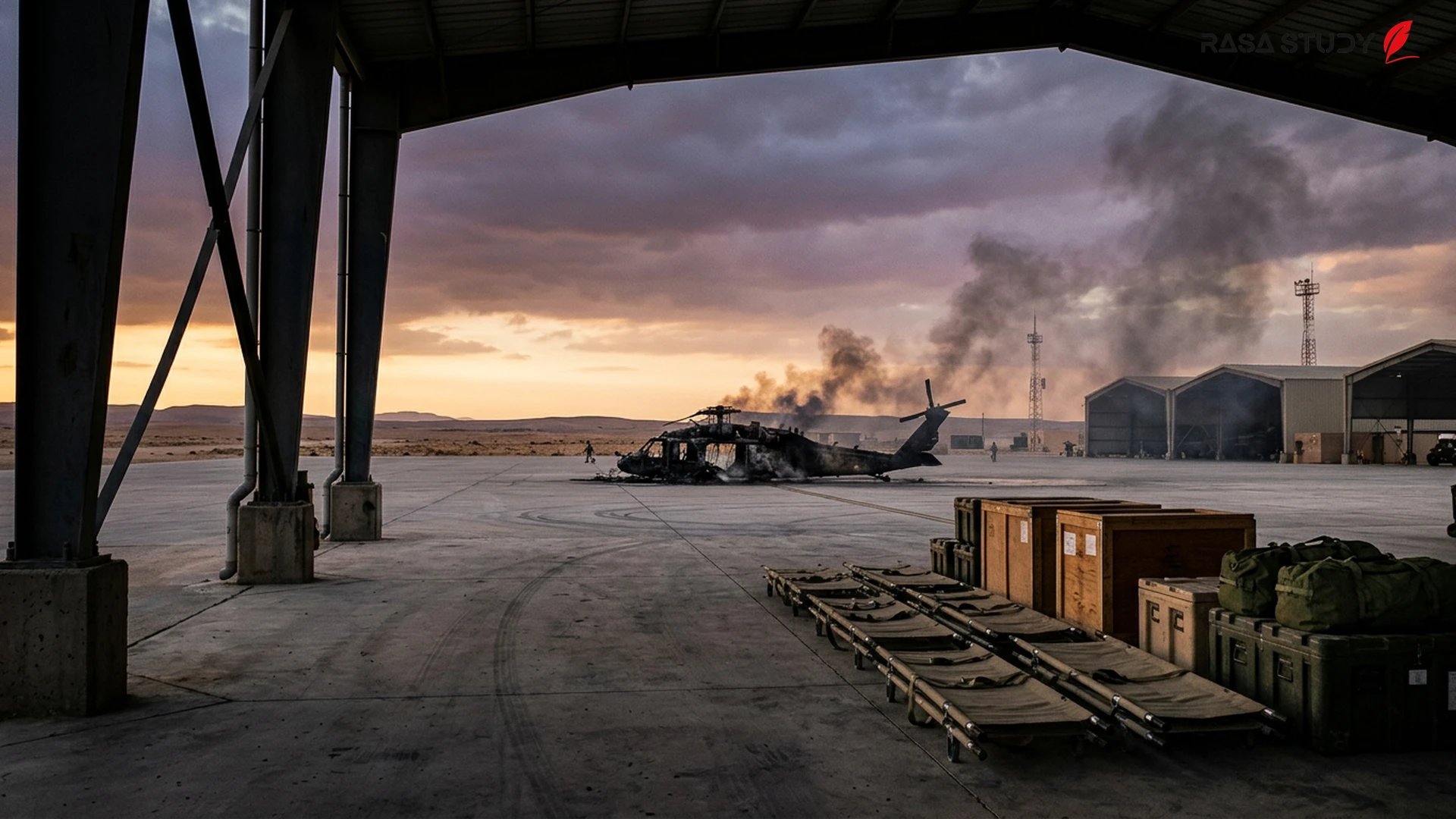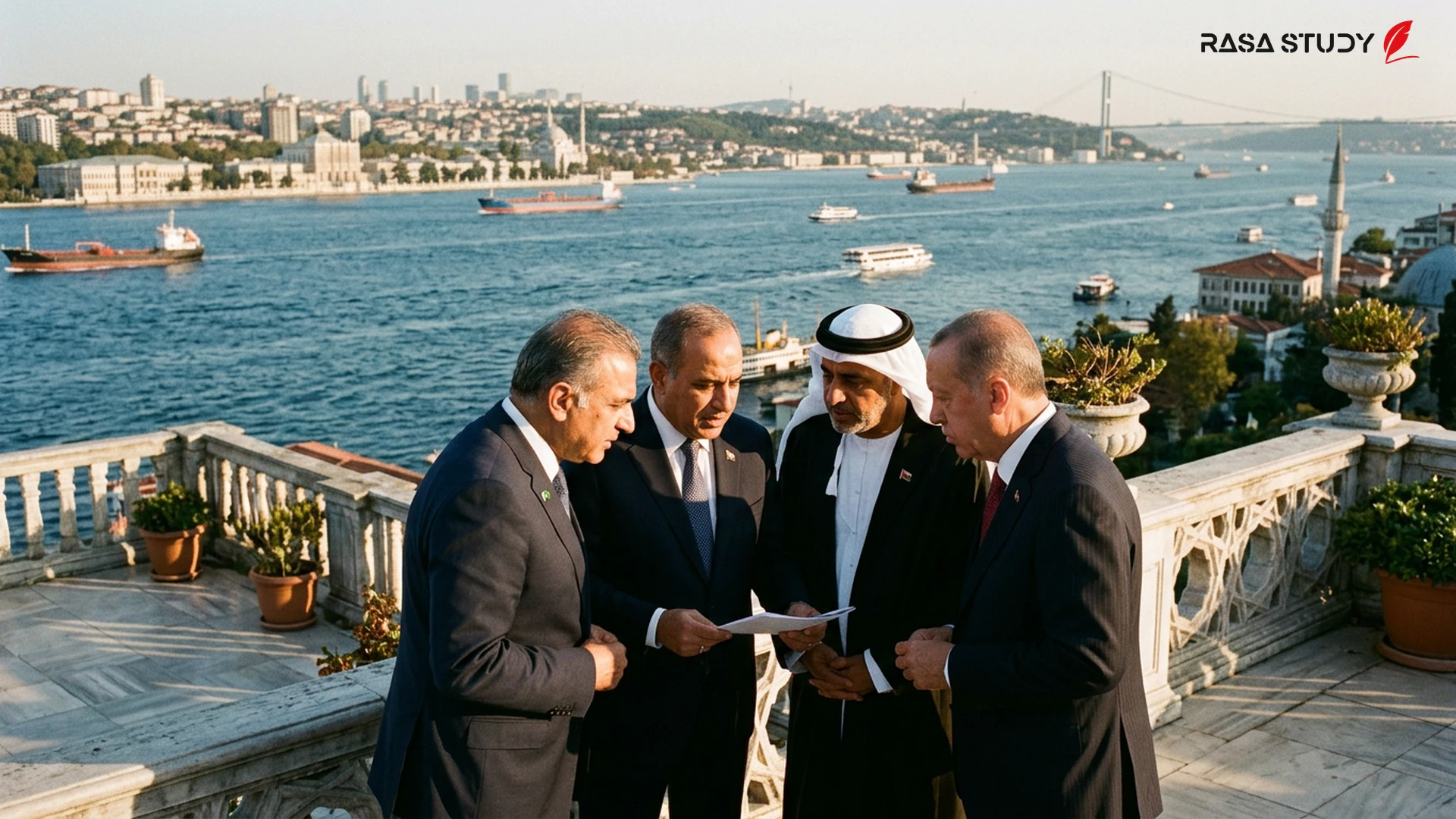
Israeli and regional media have claimed in recent reports that four Muslim countries—Oman, Egypt, Pakistan, and Turkey—have launched extensive diplomatic efforts to mediate between the Trump administration and the Islamic Republic of Iran.
As geopolitical tensions in the Middle East reach critical stages, reports published on July 4, 2026, indicate an unprecedented diplomatic movement at the regional level. Based on claims made in Israeli media and reflected in news agencies such as "Yakin Dogu Haber," a new diplomatic bloc consisting of Oman, Egypt, Pakistan, and Turkey is active in paving the way for direct talks between Tehran and Washington [1].
Quadripartite Initiative; From Muscat to Ankara Recent reports suggest that senior officials from these four countries are engaged in intensive, behind-the-scenes consultations with Iranian officials. The primary goal of this "Quadripartite Coalition" is to convince Tehran to begin talks with the Donald Trump administration to reach a comprehensive agreement or at least a sustainable ceasefire [3]. Amichai Stein, a correspondent for the Israeli media outlet i24 News, citing informed sources, reported that international efforts to end ongoing conflicts have intensified, with these four countries serving as the primary communication bridge [1].
Key Role of Pakistan and Turkey in Establishing Stability Hakan Fidan, the Turkish Minister of Foreign Affairs, in his recent statements, referred to the "professional and coordinated" role of Turkey, Pakistan, and Qatar in managing recent crises. According to him, this diplomatic cooperation had previously succeeded in establishing a ceasefire between the conflicting parties in a short period and preventing the expansion of the war on a larger scale [2]. Pakistan, in particular, has emerged as a key mediator in recent months, and reports indicate that some previous temporary agreements between Washington and Tehran were achieved through Islamabad's mediation.
Tehran's Demands and Challenges Facing Mediators Despite these efforts, the path to achieving peace still faces serious obstacles. Masoud Pezeshkian, the President of Iran, in messages conveyed to the opposing parties through intermediaries such as Russia, has set specific conditions for entering negotiations. These conditions include the recognition of Iran's legitimate rights, compensation for damages caused by sanctions, and the provision of credible international guarantees to prevent any future attacks or breaches of commitment [1][3].
Reactions to New Regional Coalitions Inside Israel, these diplomatic movements have met with mixed reactions. Some Israeli officials have expressed concern over the formation of the "Turkey-Qatar-Pakistan" axis, viewing it as a challenge to their influence in negotiations. On the other hand, analysts believe that the entry of countries like Oman and Egypt into this cycle indicates a general regional desire to move past a state of war and return to economic and political stability [2]. The success of this quadripartite initiative in the coming days will depend on the flexibility of the Trump administration and Tehran's final response to the proposals offered.
Diplomatic efforts of Oman, Egypt, Pakistan, and Turkey to reduce regional tensions in July 2026
linkSources
- İsrail basınından Umman, Mısır, Pakistan ve Türkiye arabulucuğu iddiası — Yakın Doğu Haber (2026-07-02)
- Fidan: Türkiye, Pakistan ve Katar'ın میانجیگری به آتشبس منجر شد — Anadolu Agency (2026-07-03)
- Oman, Egypt, Pakistan, Turkey push for US-Iran ceasefire — The Jerusalem Post (2026-03-12)