As the Middle East faces its most intense military conflicts in decades in July 2026, new analyses suggest that the tension between Israel and Iran is less a battle for destruction and more a tool for the political survival of both regimes.
Bloody Cooperation for Political Survival In an article published on July 17, 2026, by Halil İbrahim Büyükbaş, a researcher at the Strategic Thinking Institute (SDE), it is argued that the confrontation between the Netanyahu government and the Tehran regime has turned into a form of "bloody political cooperation" [1]. The analyst believes that both powers use the sound of missiles to drown out the voices of domestic protests and stabilize their positions. In fact, every attack from one side provides the other with the necessary legitimacy to suppress opposition and advance military agendas.
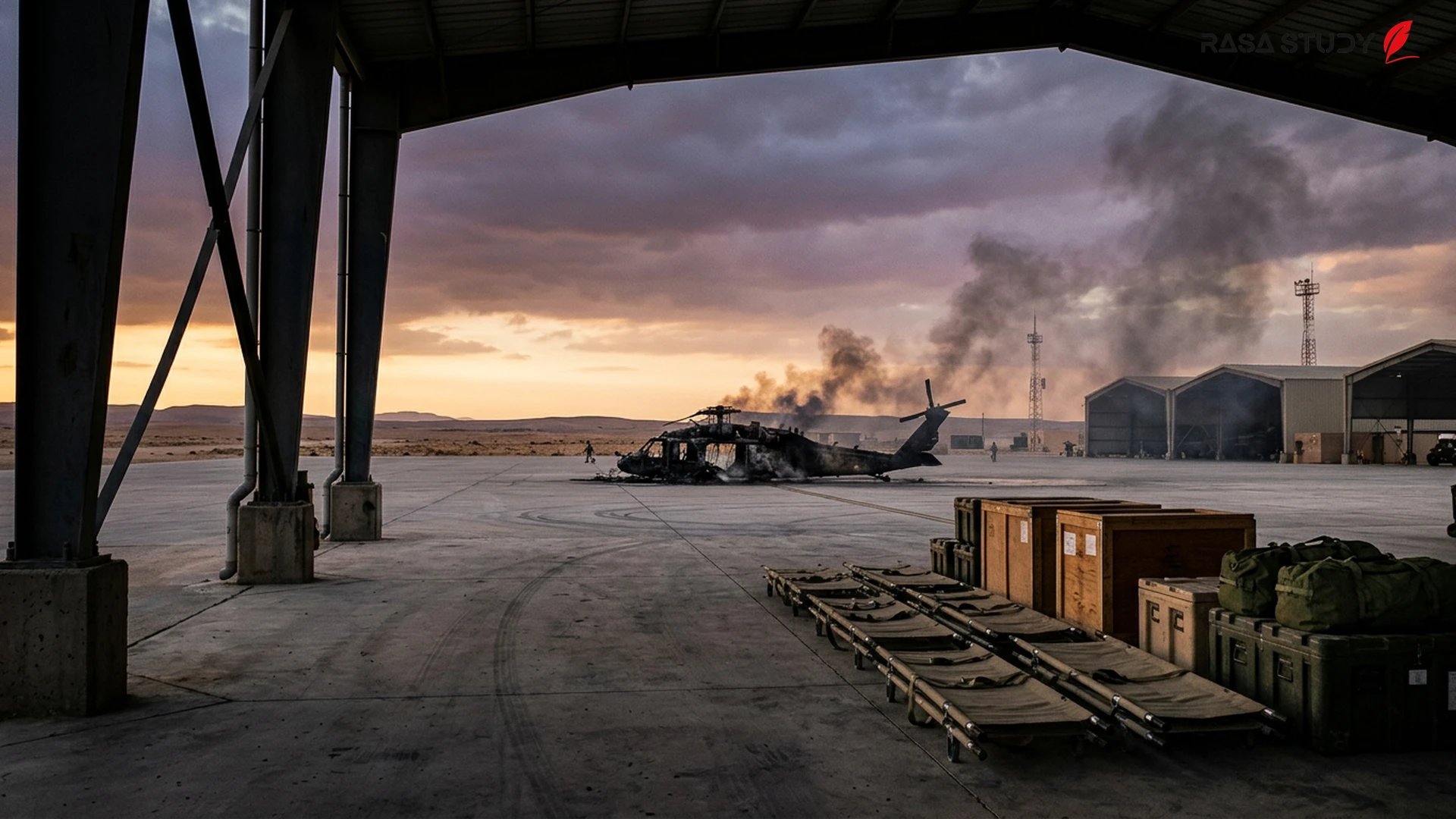
Israel and the Use of the "Iran Shield" According to Büyükbaş's analysis, whenever international pressure on Israel increases due to its actions in Gaza and Lebanon, tension with Iran acts as a "smoke screen." In recent days, while US and Israeli airstrikes on Iranian positions have continued for the seventh consecutive night [2], global attention has shifted from the humanitarian catastrophes in Gaza toward Israel's defense capabilities and Tehran's missile threats. This situation allows the Netanyahu government to redefine itself as the "defender of the nation" and sideline domestic corruption cases and political crises [1].
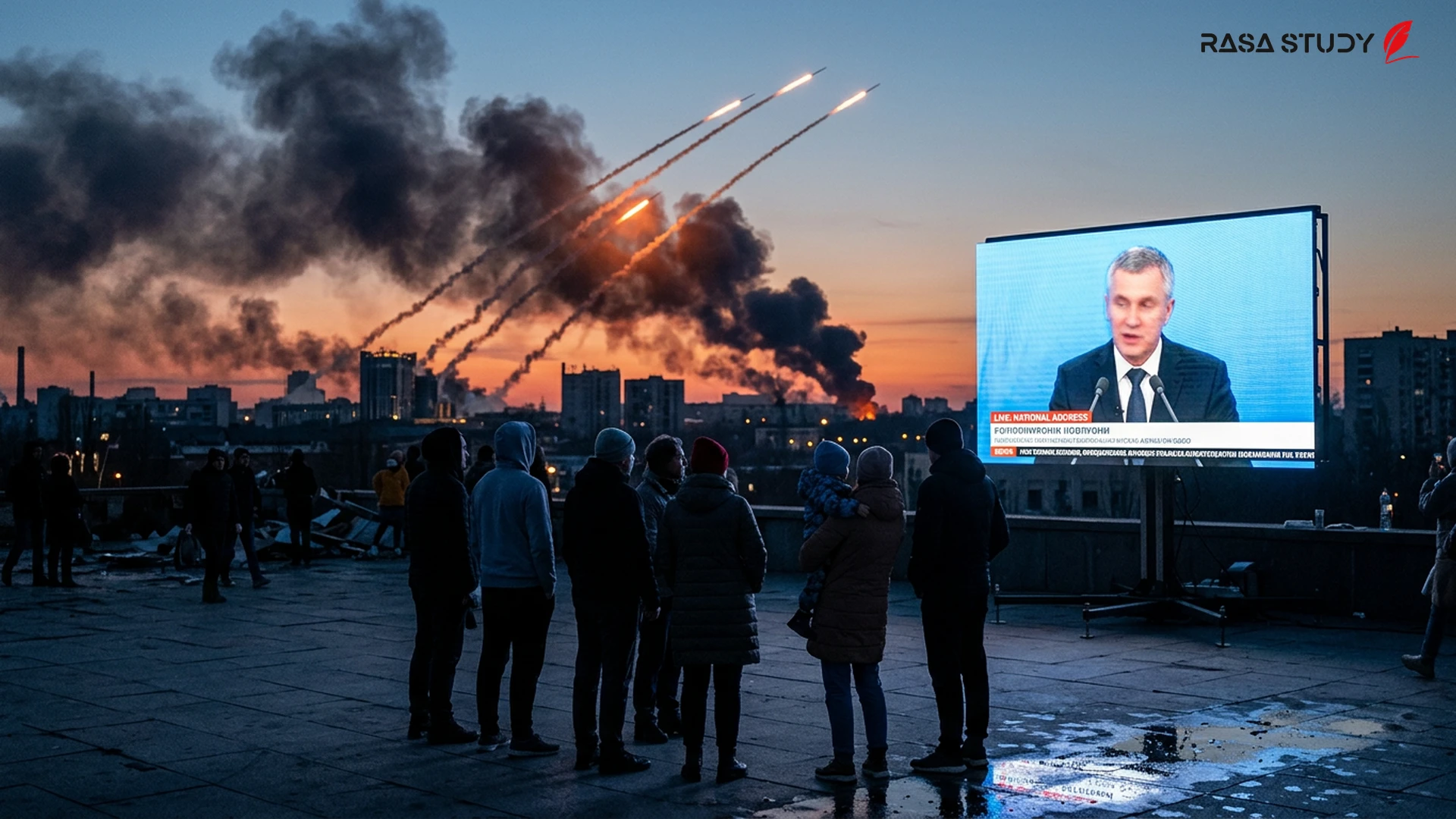
Tehran and the Foreign Enemy Strategy On the other side, the Iranian regime also utilizes this conflict to manage its internal crises. Büyükbaş points out that rampant inflation, unemployment, and social discontent in Iran have seriously challenged the government's legitimacy. In such circumstances, exaggerating the threat from Israel and the United States allows Tehran to suppress any critical voice under the label of "enemy agent" [1]. Iranian military officials recently warned that if attacks continue, they will move beyond the strategy of "proportional retaliation" and enter a phase of "all-out aggression" [3]; rhetoric that analysts say is intended more for domestic consumption to incite nationalism than for military application.
The Main Victims: The People of the Region This power game continues while the people of Gaza, Lebanon, and even ordinary citizens in Iran and Israel pay the primary price. Büyükbaş emphasizes that Iran's aimless attacks not only fail to help the liberation of Palestine but also give Israel a free hand to justify broader strikes [1]. Furthermore, the naval blockade of Iranian ports and conflicts in the Strait of Hormuz have endangered the economic security of the entire region [2]. Ultimately, this analysis shows that as long as the survival of these two powers depends on the existence of an "eternal enemy," peace in the Middle East will remain out of reach.
Analysts believe the July 2026 conflicts between Iran and Israel are rooted more in domestic political needs than military objectives.
linkSources
- Savaştan Beslenen İki İktidar: İsrail ve İran — Stratejik Düşünce Enstitüsü (SDE) (2026-07-17)
- US military confirms carrying out 7th consecutive night of strikes on Iran — The Times of Israel (2026-07-18)
- US-Israel-Iran War Latest News: Iran Warns It May Move Beyond Retaliatory Strikes — The Sunday Guardian (2026-07-18)