Following massive Israeli strikes on Iranian nuclear facilities during 'Operation Epic Fury,' the region is on high alert. While Tehran has banned inspector access, concerns over security consequences for Turkey have increased.
Details of Attacks on Iran's Nuclear Heart
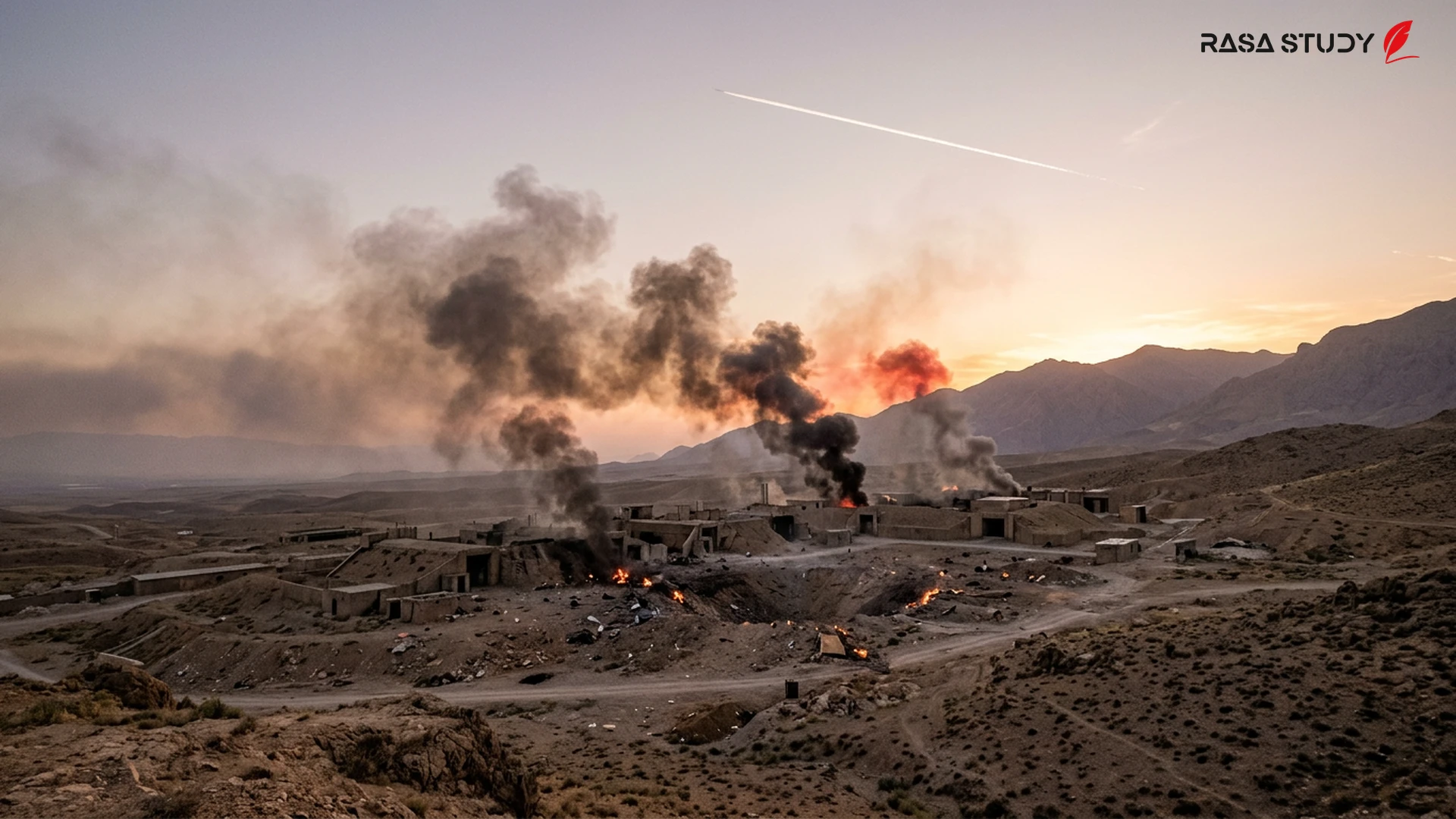
In recent months, the Middle East has witnessed one of the most intense military conflicts of the 21st century. The mission known as 'Operation Epic Fury,' which began on February 28, 2026, resulted in extensive airstrikes by Israeli and United States forces against Iran's strategic infrastructure [4]. According to published reports, key facilities in Natanz, Fordow, and Isfahan were targeted by bunker-buster bombs, causing serious damage to Iran's uranium enrichment capabilities. Although early reports last year mentioned sporadic attacks, the scale of destruction in recent operations has been described as unprecedented [3].
Diplomatic Deadlock and Denial of IAEA Access
Today, July 2, 2026, Mohammad Bagher Ghalibaf, the Speaker of the Iranian Parliament, stated in a sharp announcement that any reports regarding an agreement for International Atomic Energy Agency (IAEA) inspectors to access the bombed sites are false [4]. These remarks directly contradict statements by Rafael Grossi, the Director General of the IAEA, who reported the existence of an agreement yesterday. This diplomatic deadlock occurs as Iran has blocked access to eight damaged centers for more than 120 days and passed new laws prohibiting inspections of military-nuclear sites [4].
Tension Between Trump and Netanyahu Over the War's Future
On the political front, a deep rift has emerged between Donald Trump and Benjamin Netanyahu. While the Trump administration seeks to stabilize a ceasefire through a Memorandum of Understanding (MoU) signed on June 18 mediated by Pakistan and Saudi Arabia, Netanyahu has once again threatened that Israel will conduct new attacks against Iran alone if necessary [1]. Netanyahu claims the current agreement cannot prevent Tehran from obtaining a nuclear weapon and that Israel reserves the right to preemptive action [2]. These disagreements have cast serious doubt on the sustainability of the current relative peace.
Impact on Turkey: Security, Economy, and Regional Competition
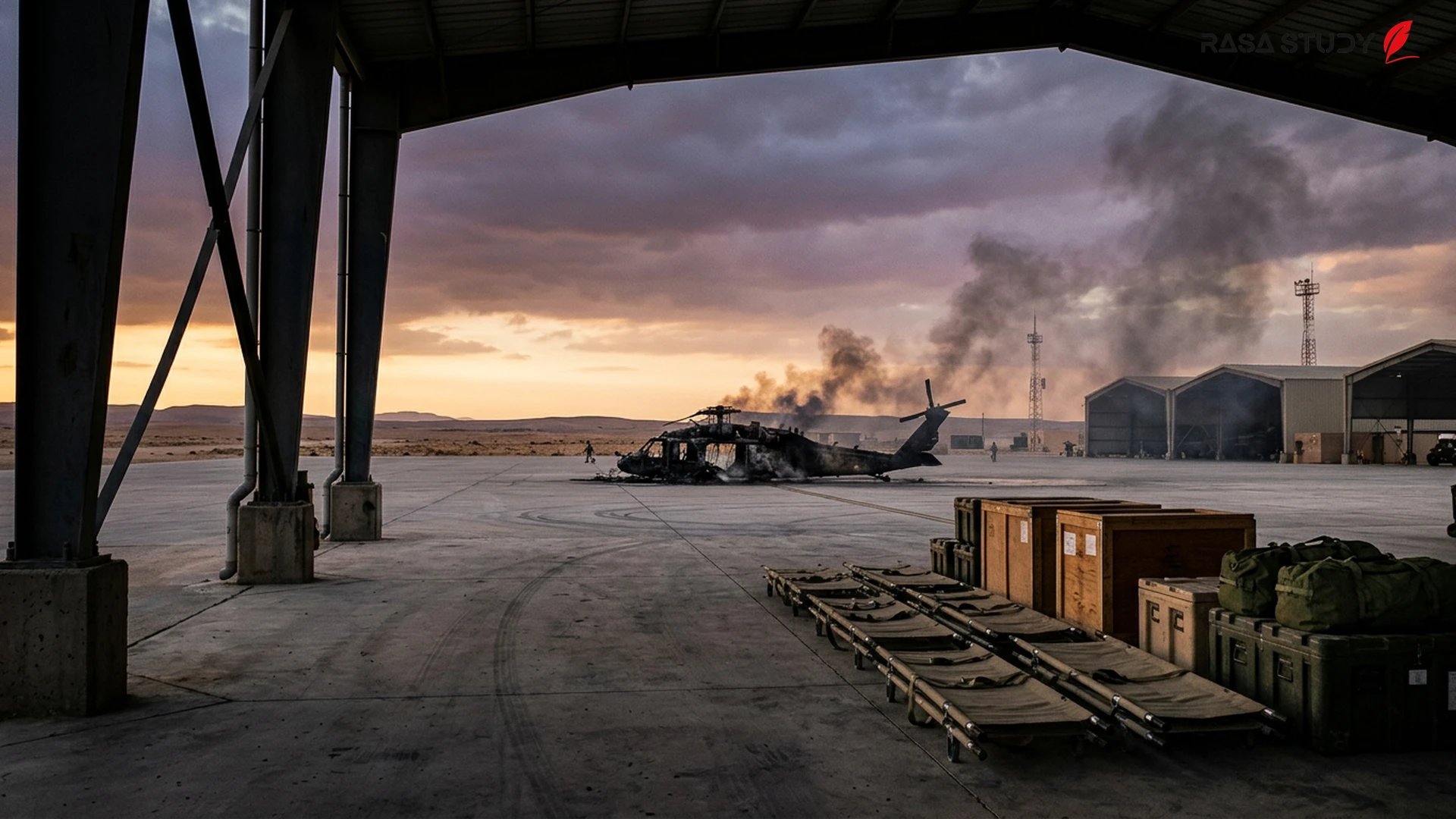
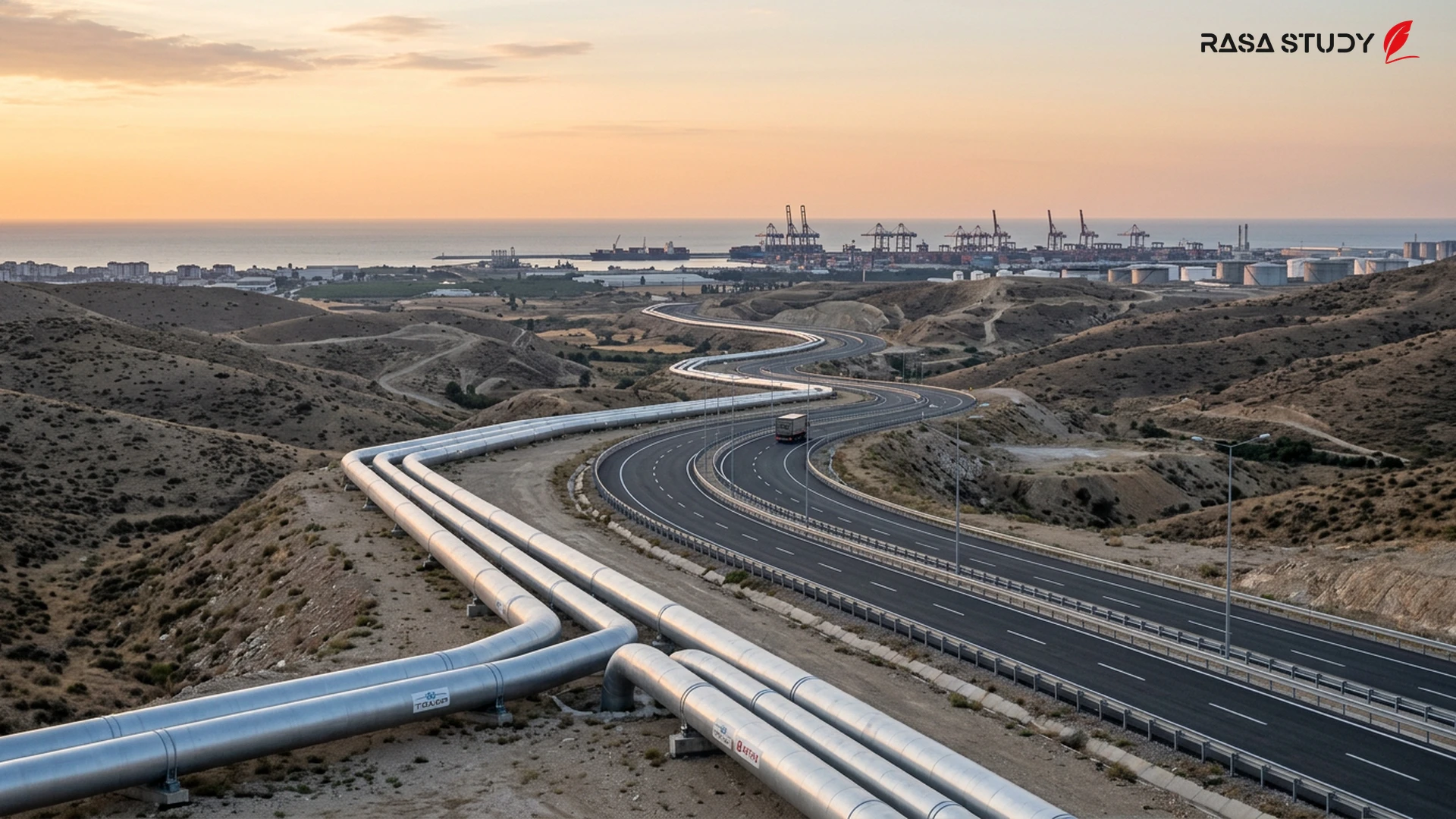
For Turkey, this war is more than a simple border conflict. Ankara, which has always tried to maintain a balance between NATO and its eastern neighbors, now faces direct challenges. During the conflicts, NATO forces stationed at Incirlik Air Base were forced to intercept and destroy Iranian drones and missiles passing through the region's airspace [4]. In addition to military threats, the energy crisis resulting from a sharp decrease in traffic in the Strait of Hormuz and the possibility of a new wave of refugees has put the Turkish economy under pressure. However, experts believe that the weakening of Iran's regional influence has created more space for Turkey's diplomatic maneuvers in Syria and Iraq, but will simultaneously intensify the structural competition between Ankara and Tel Aviv in the post-war era [4].
Airstrikes on Iranian nuclear facilities have increased regional tensions and concerns on Turkey's borders.
linkSources
- Netanyahu says Israel will attack Iran again 'if needed' — Anadolu Agency (2026-07-01)
- As Trump and Netanyahu fall out over Iran war – and how to end it — Chatham House (2026-07-01)
- İsrail nükleer tesisi vurdu! Hasar araştırılıyor — Haber61 (2025-06-15)
- 2026 Iran war: Operation Epic Fury and Regional Impact — Britannica (2026-07-02)