As tensions in the Middle East reach their peak, Israeli media have claimed that Turkey, through a strategic intervention, prevented the implementation of a joint US-Israeli plan for regime change in Iran.
Today, July 13, 2026, reports published in Israeli media have triggered a wave of geopolitical analysis in the region. Based on claims made by the news network "i24 News" and reflected in Turkish media including "HaberGo," a large-scale covert military operation designed to destabilize and change the regime in Iran was halted at the last moment through direct intervention from Ankara [1][2].
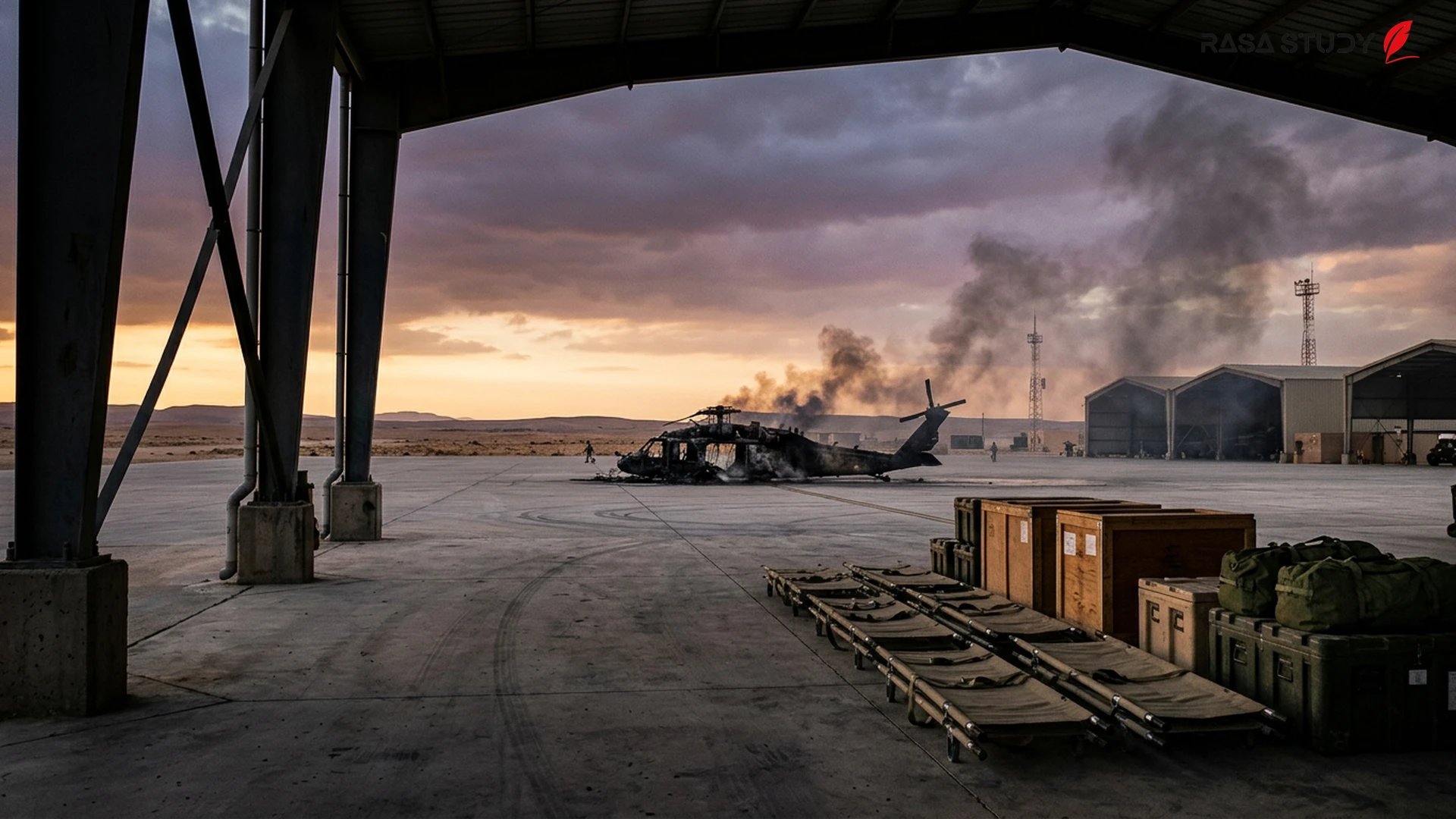
Disclosure of the Secret "Operation Roaring Lion" Against Iran Reports indicate that the United States and Israel were preparing an operation titled "Operation Roaring Lion." This plan included providing weapons and logistical support to armed opposition groups, particularly Kurdish branches such as "PJAK," to infiltrate Iranian territory from the borders of Iraq and Pakistan [2][3]. The ultimate goal of this operation was stated as creating a military corridor toward Tehran and overthrowing the current political structure of Iran. However, the leak of this operation's information to Ankara changed the course of events.
Ankara's Key Role in Canceling Washington's Operation According to Israeli media claims, Turkish President Recep Tayyip Erdogan, in a sensitive phone call with Donald Trump, pressured him to stop the operation [2]. Turkey is concerned that any sudden collapse in Iran would lead to a dangerous power vacuum and the formation of an Israel-backed state on its eastern borders. Furthermore, Ankara is strongly opposed to the empowerment of Kurdish groups, which it views as a threat to its national security. Following these pressures and the disclosure of the plan's details, the White House ordered the immediate cancellation of the operation [1][3].
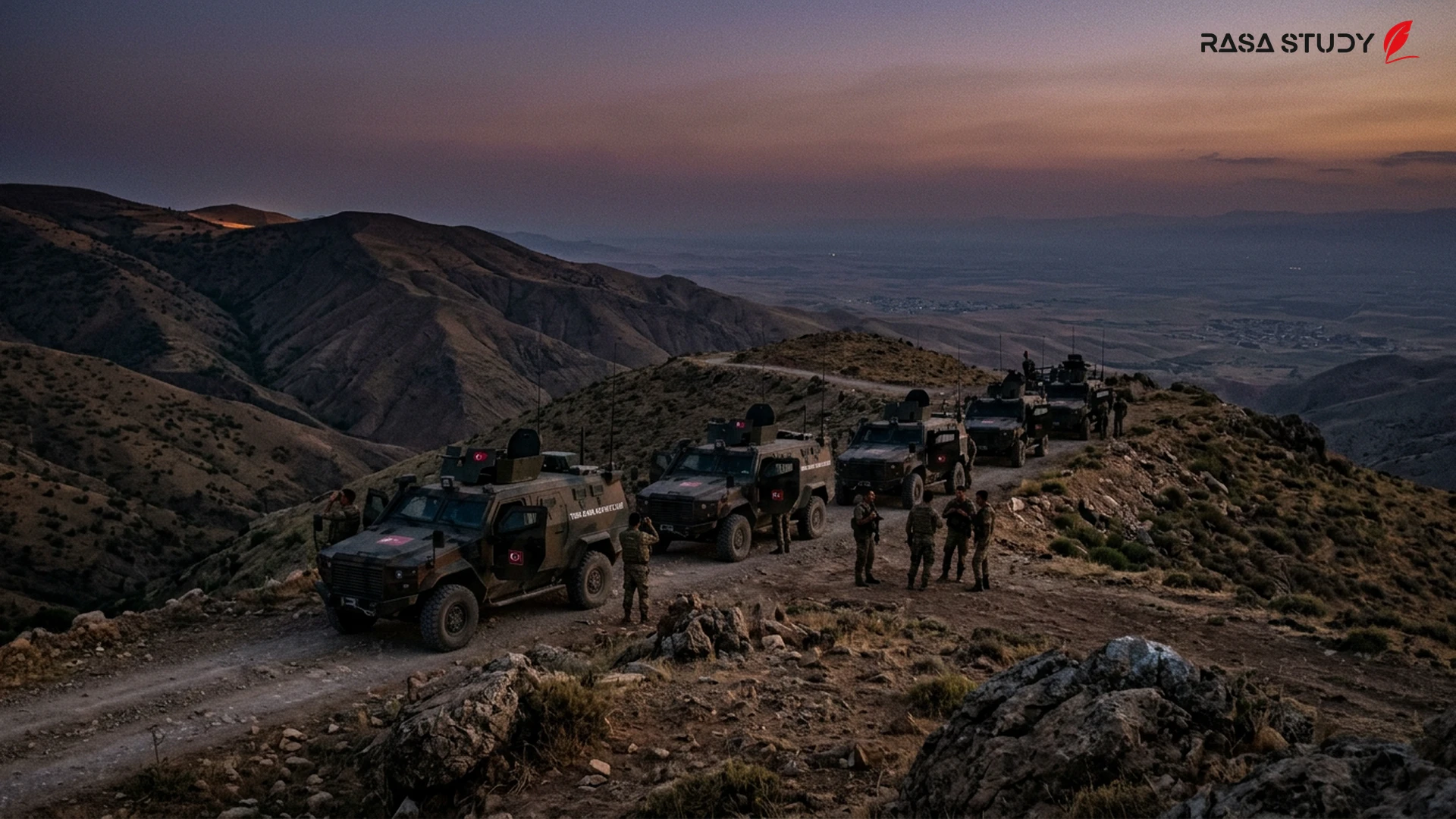
Turkey's Security Concerns and the Buffer Zone Scenario Analysts believe that instead of supporting regime change by foreign powers, Turkey is pursuing an alternative plan. In the event of instability in Iran, Ankara intends to enter northwestern Iran with its armed forces (TSK) to create a "buffer zone" [1][4]. This action would be aimed at preventing a new wave of migrants and containing the activities of terrorist groups in border areas. Dr. Hay Eytan Cohen Yanarocak, an expert on Turkish affairs, believes that Ankara does not want to see a government in Tehran that establishes close relations with Tel Aviv [3].
Reactions and Geopolitical Implications While Turkish and US officials have not yet directly responded to these claims, tensions between Israel and Turkey over regional influence have intensified. Benjamin Netanyahu recently spoke in American media against the rapprochement between Trump and Erdogan, warning that Turkey seeks to fill the power vacuum resulting from the weakening of Iran in the region [4]. These developments indicate an unprecedented complexity in power relations in the summer of 2026, where traditional allies are in confrontation over the future of the Middle East's political map.
Recent developments show Ankara's decisive role in the security equations of Iran and the United States.
linkSources
- İsrail Basınından Çarpıcı İddia: Türkiye'nin İran Planı ve ABD'nin İptal Kararı — HaberGo (2026-07-13)
- Erdogan pressed Trump to halt planned US-Israeli ground operation against Iran — i24NEWS (2026-07-05)
- İsrail basınında şok iddia! Türkiye az daha savaşa giriyormuş — Sözcü (2026-07-13)
- Turkey seeks to fill regional vacuum as Iran's influence wanes — The Jerusalem Post (2026-07-10)