Lebanese President Joseph Aoun faces severe criticism ahead of his trip to Washington. Opponents accuse him of ignoring direct Israeli threats to Lebanese sovereignty by focusing on Iran's role.
On July 9, 2026, Lebanese President Joseph Aoun finds himself at the center of a political storm. Following the signing of a framework agreement with Israel on June 26, he is now accused of downplaying the destructive role of Israeli attacks to gain Western support, instead pointing the finger at the Islamic Republic of Iran.
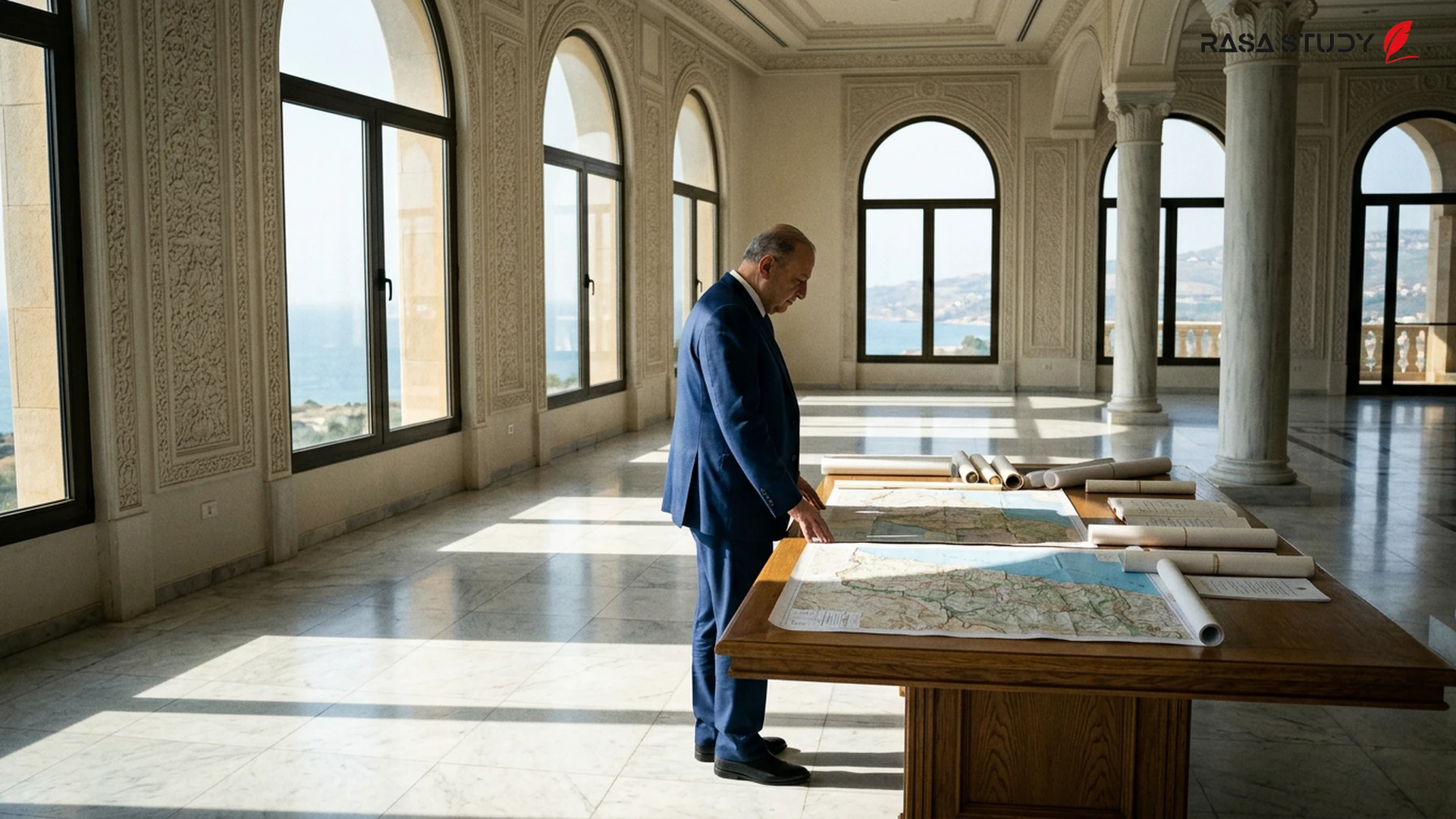
Controversy over the Baabda Palace Speech Reports published in regional media, including the Turkish newspaper Aydınlık, indicate that Joseph Aoun made controversial remarks during a meeting with a delegation of Lebanese businessmen at Baabda Palace [1]. In this speech, he claimed he chose the path of negotiation with Israel to prevent Lebanon from falling into an "abyss of destruction for the interests of another country." These words have been widely interpreted as a direct attack on the influence of Iran and Hezbollah in Lebanon. Critics believe that with this approach, Aoun has ignored the existential threats Israel poses to Lebanese sovereignty and is attempting to attribute internal crises solely to foreign factors.
Framework Agreement and the Washington Trip These tensions arise as the Lebanese Embassy in Washington confirmed that Joseph Aoun will head to the White House on July 21, 2026, at the invitation of US President Donald Trump [2]. This marks the first visit by a Lebanese president to Washington in nearly two decades. The main focus of this meeting is the implementation of the framework agreement drafted under US supervision for the phased withdrawal of Israeli forces from southern Lebanon. However, Aoun emphasized that he will not meet directly with Benjamin Netanyahu as long as Israeli attacks on Lebanese citizens continue [2].
Internal Opposition and Hezbollah's Reaction On the domestic front, Sheikh Naim Qassem, Secretary-General of Hezbollah, has taken a strong stance against this agreement. In his recent speech on July 8, he called on Aoun to abandon this "humiliating agreement" and settle only for indirect negotiations [3]. Hezbollah believes this agreement serves Israel's security interests and describes US efforts as a "new guardianship" over Lebanon. In contrast, Aoun claims that the majority of the Lebanese people, including a large portion of the Shia community who have suffered the most from recent wars, support ending the hostilities [1].
Critical Situation on the Southern Borders Despite the ceasefire announcement in April 2026, clashes continue. According to the Lebanese Ministry of Health, more than 4,300 people have been killed and 12,000 wounded since the start of the military campaign in March 2026 [4]. While US military delegations visit Beirut to coordinate "test zones" for troop withdrawal, Joseph Aoun has called on the international community to increase pressure on Israel to completely stop destruction and bulldozing operations in southern villages [4]. These diplomatic complexities highlight the difficult path Aoun's government faces in balancing Washington's pressure, Tel Aviv's threats, and Tehran's influence.
Lebanese President Joseph Aoun faces domestic and regional political challenges ahead of his historic trip to Washington to meet Donald Trump.
linkSources
- Lübnan Cumhurbaşkanı Avn, İsrail tehdidini görmezden geldi! İran'ı suçlamaya çalıştı — Aydınlık (2026-07-08)
- Lebanese President Joseph Aoun set for first White House visit — Al Arabiya (2026-07-08)
- Hezbollah chief Naim Qassem urges Aoun to abandon US-backed framework agreement — Middle East Online (2026-07-09)
- US military delegation to visit Beirut to coordinate Lebanon-Israel 'pilot zones' — Anadolu Agency (2026-07-09)