Following the sudden passing of Lindsey Graham on July 11, 2026, international and regional media, including "Serbestiyet," have dissected the political record of a senator whose shifting positions made him an enigma in Middle Eastern diplomacy.
Sudden Death at the Peak of Diplomatic Activity Lindsey Graham, the veteran Republican senator and one of the most influential figures in United States foreign policy, passed away on July 11, 2026, at the age of 71 after a short and sudden illness [3]. His death occurred just days after his return from intensive diplomatic trips to Kyiv and Ankara. Graham, known as a bridge between Donald Trump's "America First" policy and Washington's interventionist traditions, was involved in sensitive files such as Russian sanctions and the normalization of relations between Israel and Saudi Arabia until his final days [2][4].
The "Serbestiyet" Enigma: Whose Friend Was Graham Really? The analytical media outlet "Serbestiyet," in an article by Yıldıray Oğur titled "Whose Friend Was Lindsey Graham?", examined the senator's 180-degree turns regarding regional actors [1]. Oğur notes that in 2016, Graham was one of the staunchest defenders of Turkey's theses regarding the PKK and YPG in Washington, but only a few years later in 2019, he became Ankara's harshest critic, threatening Turkey with heavy sanctions [1][4]. The article argues that Graham's "friendships" were more a function of power lobbies and Washington's momentary interests than fixed principles.
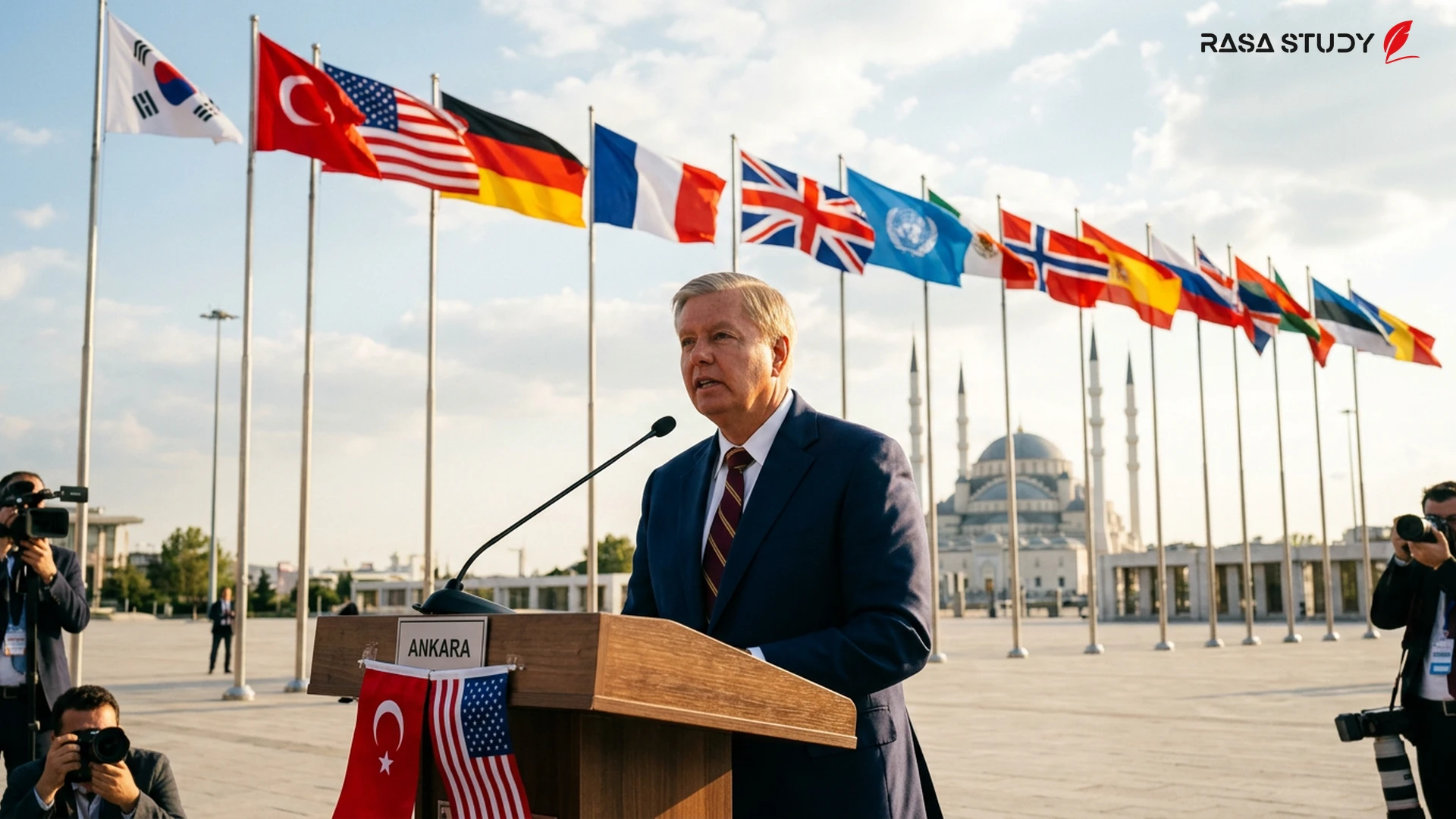
From Enmity to Reconciliation; The Final Act in Ankara Interestingly, in the final days of his life, Graham pivoted toward Ankara once again. During the NATO summit in Ankara in July 2026, he called Turkey an "extraordinary ally" and an "unshakable pillar of NATO," speaking of the need for the country to return to the F-35 fighter jet program [3]. This sudden change of position surprised even the Turkish media. Some analysts believe this new approach was part of his larger strategy to contain Iran and strengthen the regional front in 2026 [1][4].
Global Reactions; From Netanyahu's Grief to Tehran's Anger Reactions to Graham's death reflect the polarized nature of his personality. Benjamin Netanyahu called him "Israel's greatest friend," and Volodymyr Zelenskyy remembered him as a "true defender of freedom" [2][3]. In contrast, Iranian state television welcomed his death with harsh language, calling him a "warmongering and anti-Iranian" senator who constantly beat the drum for military strikes on Iranian infrastructure [3]. This contrast of opinions clearly illustrates the legacy of a man who could simultaneously be the most beloved and the most hated political figure in different world capitals.
Lindsey Graham during his final trip to Turkey in July 2026, before his sudden death.
linkSources
- Lindsey Graham kimin dostuydu? — Serbestiyet (2026-07-13)
- European and NATO figures pay tribute to US senator Lindsey Graham — Brussels Signal (2026-07-13)
- Lindsey Graham, influential GOP senator and foreign policy hawk, dies at 71 — PBS News (2026-07-12)
- Lindsey Graham: A checkered legacy in Turkish-American relations — Daily Sabah (2026-07-12)


